
[av_one_full first min_height=” vertical_alignment=” space=” custom_margin=” margin=’0px’ padding=’0px’ border=” border_color=” radius=’0px’ background_color=” src=” background_position=’top left’ background_repeat=’no-repeat’ animation=”]
[av_heading heading=’Anti-cola local gov’t units in Negros Occ. rack up’ tag=’h3′ style=’blockquote modern-quote’ size=” subheading_active=’subheading_below’ subheading_size=’15’ padding=’10’ color=” custom_font=”]
BY MAE SINGUAY
[/av_heading]
[av_textblock size=” font_color=” color=”]
Monday, May 8, 2017
[/av_textblock]
[av_textblock size=” font_color=” color=”]
BACOLOD City – More local government units (LGUs) in Negros Occidental are banning the products manufactured by a beverage company highly criticized for using high-fructose corn syrup (HFCS).
The latest addition was the city government of Bago.
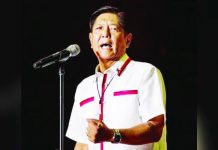
In Executive Order (EO) No. 20 dated May 2, Mayor Nicholas Yulo declared that selling and promoting Coca-Cola products are prohibited in the city hall compound, Bantayan Park, Bago City College, Bago City Sports Center, Manuel Y. Torres Memorial Coliseum and Cultural Center, Buenos Aires Mountain Resort, and other local government-owned facilities.
Promotion and advertisement sponsorship during purok, barangay and city festivals and events are banned, too, the EO stated.
Other local governments in the province that prohibit the sale and consumption of Coca-Cola products during festivals and various other events are Hinigaran, Murcia, Isabela, and Hinigaran towns, and La Carlota City.
Gov. Alfredo Marañon Jr. himself banned Coke beverages during the 24th Panaad sa Negros Festival from April 22 to 30.
Sugar industry stakeholders are critical to Coca-Cola FEMSA Philippines, Inc. — it has a bottling plant in Barangay Mansilingan — for using HFCS instead of locally produced sugar in its beverages.
They claimed the use and importation of the alternative sweetener undermines the value of local sugar and their producers and farmworkers.
LGUs that boycotted Coke said their move was in solidarity with the industry that serves as the “lifeblood” of Negros.
All barangay and city hall officials and employees shall “assist” in informing Bagonhons of the “ill-effects” of HFCS, Yulo said.
Moreover, “the Department of Education is strongly encouraged to prohibit the advertisement and sale of [Coke] products in schools in the city,” he said.
“Goods, items and products advertised, sold or possessed with the intention of selling or advertising in violation of the EO shall be ordered removed or kept by [the] owner,” read part of the EO.
Repeated violations “shall justify confiscation in favor of the local government,” the EO stated.
The prohibition shall be in effect until Coke “stops using HFCS and instead utilizes locally produced sugar…in their products, or until the sugar industry and its leaders finally resolve the crisis in [their] favor,” said Yulo.
In a related development, the House of Representatives committee on agriculture and food will hold an inquiry into the importation of HFCS and its impact on the sugar industry at 1 p.m. on May 16 in Quezon City, said Rep. Greg Gasataya.
Gasataya earlier filed a resolution seeking the inquiry.
Earlier the Senate committees on agriculture and on trade, commerce and entrepreneurship held a joint inquiry into the same subject. They proposed the creation of a sugar industry consultative council./PN
[/av_textblock]
[/av_one_full]