


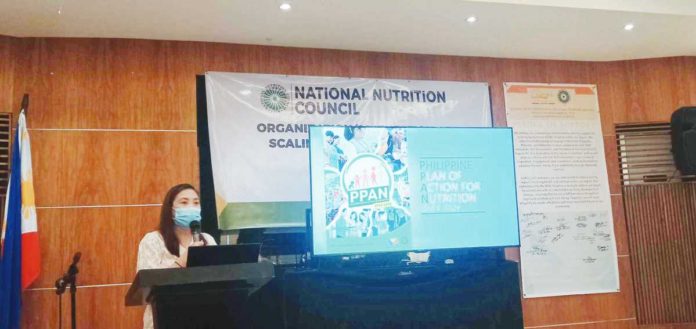
ILOILO City – Due to their high number of stunted children aged zero to 59 months and the significant portion of their population living below the food poverty threshold, the provinces of Iloilo, Antique and Negros Occidental are priority areas of the Philippine Plan of Action for Nutrition (PPAN) for 2023-2028 in Western Visayas.
“The decision to prioritize these provinces stems from the severity of poverty and hunger, coupled with high malnutrition rates in them,” said Sheryl C. Sedantes, regional nutrition program coordinator (officer-in-charge) of the National Nutrition Council (NNC) Region 6.
In 2022, Antique had a stunting prevalence of 9.83 percent, Negros Occidental 7.34 percent, and Iloilo 5.37 percent.
Comparatively, the stunting prevalence in other provinces was as follows: Aklan at 4.87 percent, Guimaras at 4.84 percent, and Capiz at 4.49 percent.
The prevalence of wasting, defined as low weight-for-height, in 2022 was highest in Negros Occidental (2.19 percent), followed by Antique (2.11 percent), and lowest in Guimaras (0.88 percent).
Stunting, characterized by low height-for-age, often results from chronic undernutrition linked to poverty, inadequate maternal health and nutrition, frequent illness, or improper early-life feeding and care.
According to the World Health Organization, stunting can prevent children from reaching their full physical and cognitive potential.
Wasting indicates recent and severe weight loss and is often associated with inadequate food quality and quantity or prolonged illness.
Region 6’s stunting, wasting, and overweight/obesity prevalence rates from 2018 to 2022 showed a gradual decrease in stunting and wasting rates over the years.
Sedantes highlighted ongoing efforts in Iloilo, Antique and Negros Occidental to address these nutrition concerns, including establishing food gardens, improving market infrastructure, setting up KADIWA stores, providing nutrient-dense and fortified food, offering food stamps or cash transfers, and monitoring and regulating marketing of unhealthy food and breastmilk substitutes.
The PPAN 2023-2028 includes interventions such as developing maternal health service packages, promoting and supporting breastfeeding, and formulating integrated social behavior change strategies targeting the first 1,000 days of life and beyond.
The main goal of PPAN 2023-2028 is to reduce all forms of malnutrition by 2028, focusing on undernutrition, overnutrition, micronutrient deficiency, food insecurity, and inadequate infant and young child feeding practices.
“Our target for the next five years is to significantly reduce all forms of malnutrition,” said Sedantes.
Launched in Metro Manila on September 4, 2023, PPAN 2023-2028 is structured around three sub-goals: Matatag (stable), Maginhawa (comfortable), and Panatag (secure) life for every Filipino, encompassing strong community ties, freedom from hunger and poverty, sufficient resources for daily needs, and a long, healthy life.
During the national launch, Dr. Azucena Dayanghirang, Assistant Secretary and Executive Director of NNC, emphasized four calls to action for stakeholders: prioritize nutrition and food security interventions, build strong partnerships, accelerate the implementation of evidence-based interventions, and promote nourishment and well-being.
“Our PPAN 2023-2028 is a roadmap to tackle all forms of malnutrition, contributing to the nation’s overall growth,” Sedantes said./PN