
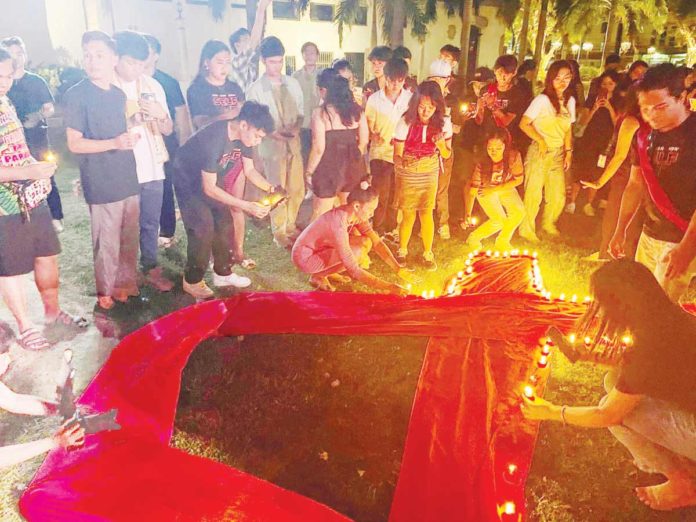
ILOILO City — The Department of Health (DOH) reports a concerning rise in cases of HIV (human immunodeficiency virus) in Western Visayas.
According to the latest data, there were 1,131 new HIV diagnoses from January to December 2023, with Iloilo Province leading with 279 cases, followed by Negros Occidental with 240 cases, and Iloilo City with 150 cases.
Dr. Bea Natalaray, chief spokesperson of the Infectious Disease Section at DOH Region 6, expressed her concerns in a recent interview with Radyo Pilipinas Iloilo.
“Our 2023 data showed a significant increase in diagnoses compared to the previous years. Although the pandemic impacted our testing capabilities, we are now detecting more cases as we recover from that period,” she said.
The primary mode of transmission recorded in 2023 was male-to-male sexual contact, accounting for 790 of the 1,131 cases.
The region has documented a cumulative total of 7,603 HIV cases since 1984, with the most affected age group in 2023 being individuals aged 25 to 34 years old.
The spread includes other transmission methods such as male to female sex, mother-to-child, and some cases with undetermined origins.
Notably, mother-to-child transmission cases saw an uptick, with three new cases reported in 2023, bringing the total from 1984 to 11.
Emphasizing the importance of prenatal care, Natalaray highlighted the region’s efforts to offer HIV screening services to pregnant women to ensure early detection and management.
“We are also seeing an increase in mother-to-child transmission compared to previous years in Western Visayas,” she noted.
With the persistent rise in HIV cases, Natalaray stressed the importance of early detection, especially among groups with high-risk behaviors.
“It is crucial to get tested; we have HIV treatment facilities across Western Visayas to help manage and prevent the spread of the virus,” she said.
As of now, Western Visayas boasts 18 facilities providing HIV treatment, making health services more accessible to everyone.
Natalaray encourages individuals diagnosed with HIV to continue their treatment.
“Consistent intake of our free anti-retroviral therapy can render the virus undetectable, which means it cannot be transmitted to others,” she explained.
In light of the global and national HIV statistics, the DOH continues to focus on prevention, urging those engaged in high-risk behavior to practice safe sex and utilize available preventive measures like condoms and Pre-exposure prophylaxis (PrEP).
The latest figures from the HIV & AIDS and antiretroviral therapy (ART) Registry of the Philippines show a total of 129,772 diagnosed cases since 1984 up to March 2024, with a notable increase in new infections among young people aged 15 to 24.
Health Secretary Teodoro Herbosa recently said integrating HIV services into general primary healthcare could significantly improve the management and quality of life for those affected by the disease.
Of the of 129,772 cases, 82 percent were males having sex with males (MSM); two percent were people who inject drugs; 0.2 percent were females engaging in transactional sex; and 0.3 percent were children.
The National Capital Region, Central Luzon, Region 4-A (Calabarzon), Western Visayas, and Central Visayas comprised 74 percent of the total cases.
Among the 122,255 diagnosed HIV cases who are still alive, only 64 percent or 78,633 are currently on ART.
In March 2024, there were 1,224 new cases with 12 reported deaths.
The ages of these cases ranged from less than 1 to 55, with a median age of 28 years.
Close to half or 46 percent of the new cases for March 2024 were aged 25 to 34, while almost a third or 31 percent were among the youth ages 15 to 24.
The Philippines is still one of the countries with the fastest increasing numbers of HIV cases in the Asia Pacific Region. (With a report from the Philippine News Agency)/PN