



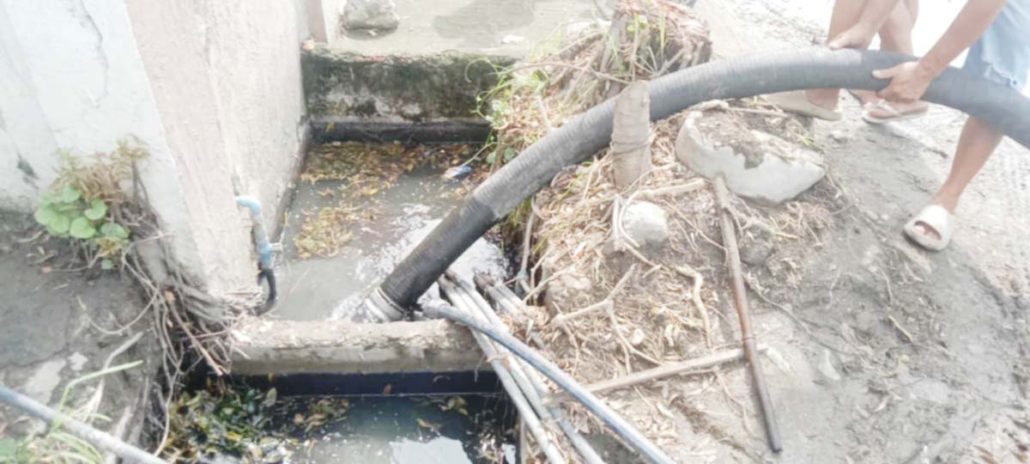
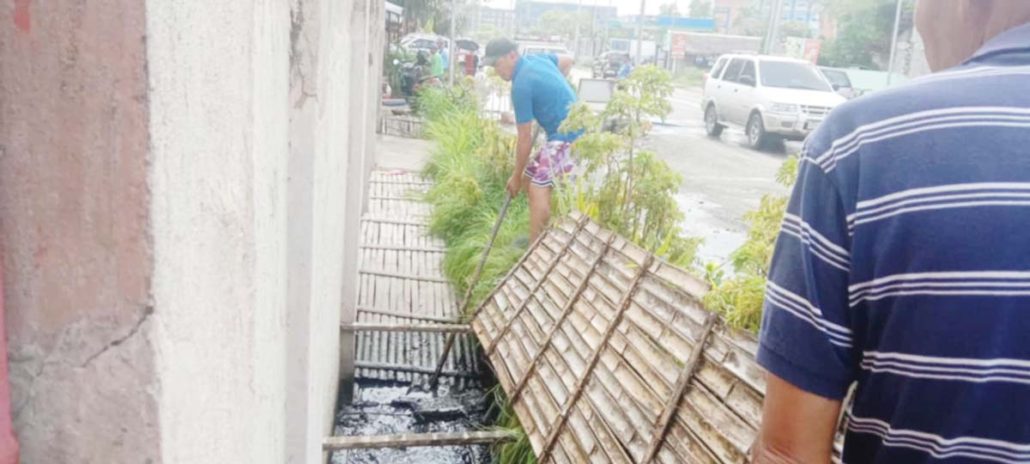
ILOILO City – The year-round declogging activities of the city government through the City Engineer’s Office (CEO) have so far been carried out in 90 areas since the beginning of this year in preparation for the onset of the rainy season.
As reflected in the CEO’s accomplishment report, clearing of waterways and drainages was done in 72 locations from January to May 2024; and in 18 more sites from June to July, 2024.
These areas included Barangay Castilla and Jaro Big Market, barangays Ma Cristina, San Isidro, Sambag and Tagbak in Jaro district; Barangay San Juan, Molo and Bo. Obrero in Lapuz; Barangay Navais and Tabucan in Mandurriao; barangays Lopez Jaena Sur, Divinagracia and Aguinaldo in La Paz including La Paz Public Market; and barangays Gen. Hughes, San Jose and Ma. Clara in the City Proper.
Data showed that since June this year, a total of 148 sacks of garbage were collected from the 3,105 total meters declogged by the CEO.
According to Joel Gerasmia, chief of staff of the CEO, most of the collected garbage were plastic wastes, which were also the main culprit of the recent flooding brought by heavy rainfall.
Gerasmia said when their team responded to flooded areas, most of the inlets or drains were covered by plastic wastes that prevented the water from flowing down to the drainage.
“Ang aton drainages functional, pero ang tubig ulan indi insigida makasulod. Pagbuhos gid sang ulan, nagpakadto kita team, kag ang rason gid ang aton mga inlets natabunan sang mga basura (Our drainages are functional, but rainwater doesn’t get in quickly. Yesterday, when it rained, we immediately deployed our team, and they saw that our inlets were covered with garbage),” he explained.
Gerasmia also noted that there are projects not connected to the city’s main drainage due to lack of coordination with City Hall, thus, resulting to flooding in some barangays.
On July 17, 2024, a downpour inundated over 60 barangays in the metropolis, with at least 44 individuals evacuated, according to the City Disaster Risk Reduction and Management Office.
Gerasmia assured that they will also continue their regular declogging activities and are coordinating with the Department of Public Works and Highways (DPWH) to address concerns about inlets and drainages all over Iloilo City.
“Sige-sige gid ang aton declogging, ang project ni Mayor Treñas sige-sige man sa drainage, kon makita ninyo ang rehab or new, madamo kita sang drainage nga gina pa implement sang City Engineer paagi sa kay Mayor,” he said.
With this, the Ilonggos and the general public are urged by the city government to practice proper waste disposal to minimize flooding on rainy days.
“Sa mga pumuluyo diri sa syudad sang Iloilo, ihaboy ang aton nga basura sa ensakto nga disposal. Kay kon indi na naton mahaboy sang ensakto, pasapayan lang, naga-cause siya sang pagbaha sa aton dalanon. (To the residents of Iloilo City, dispose of your garbage properly. Because if we don’t dispose of them properly, they can cause the flooding of our streets),” Gerasmia stressed.
On the other hand, the General Services Office (GSO) and Iloilo City Environment and Natural Resources Office (CENRO) also conducted a clean-up drive at Jaro River recently.
GSO head Neil Ravena said a total of 30 tons of waste were collected from the river and most of these are plastics, styrofoam, and food containers.
Apparently, these wastes came from the river upstream where barangays Tabuk Suba, Simon Ledesma and Benedicto, Jaro are located and from barangays Jereos and Gustilo in La Paz.
Ravena appealed to the residents to dispose their garbage properly as part of their responsibility as residents of the city and spare the river from being a dumping site./PN