


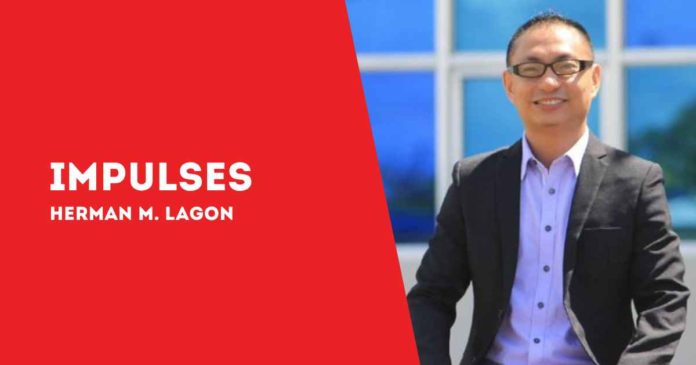
BY HERMAN M. LAGON
WORKPLACE dynamics can also reflect and perpetuate societal hierarchies, leading to barriers to opportunity and growth based on characteristics such as degree of education, gender, or socioeconomic position. These barriers can be created due to the dynamics of employment. It is vital to build conditions inviting to all people and allow them to achieve success so that society can advance. This provides the opportunity for people to succeed.
One course of action that has the potential to impact the community significantly is assisting local businesses. Economic policies that favor giant foreign corporations with disproportionate power often hamper the growth of small and medium-sized enterprises (SMEs) in the local community. We can create a more equal economic landscape by purchasing goods and services from local establishments like those nearby.
The media significantly influences people’s perceptions of society and has a tremendous impact on both. Stories that shine light on the issues that marginalized people experience are typically ignored in favor of news that is published with higher sensationalism. This is because this type of news publishes more sensationalism. When this occurs, the news is reported with increased hype. It is possible to provide financial support to media sources that report thoroughly and diversely to achieve the goals of changing narratives about inequality and enhancing social understanding and empathy.
In addition, our actions have repercussions worldwide, particularly in a country such as ours that has a sizeable workforce in other countries. When it comes to the potential outcomes that our actions may bring about, we are particularly susceptible to the consequences. When we have a better grasp of our position in the global economy, we are better able to realize how our actions affect individuals and communities all over the world. This, in turn, helps to develop a sense of international solidarity.
Environmental issues typically disproportionately influence the places that are the most economically poor. This is because of the connection between the two. Those individuals who advocate for equitable environmental policies have the potential to guarantee that the benefits and liabilities associated with environmental sustainability are divided equitably. In turn, this contributes to developing more complete and effective solutions over a more extended period.
In addition to being unsettling, it is essential to consider the myriad ways we have contributed to these problems. Every decision we make, whether as customers, voters, or community members, either upholds the established order or threatens the current state of affairs. Acknowledging our participation in these processes is the first step in making well-informed decisions that promote equity.
Coordinating efforts to address inequality on a global basis is necessary. Through the utilization of education, activism, and a commitment to finding social justice, it is possible to bring about a change in both the policies and the mentalities that are in place. The process of bringing about this transformation can be accomplished using these methods.
So, can we make decisions that will lead to a more egalitarian and welcoming society? Let us make an effort to recognize and accept responsibility for our role in maintaining inequities from the beginning. As we consider the challenge posed by Dr. Camposano, let us shift from being mere observers to becoming active players in forming a just society.
***
Doc H fondly describes himself as a “student of and for life” who, like many others, aspires to a life-giving and why-driven world grounded in social justice and the pursuit of happiness. His views do not necessarily reflect those of the institutions he is employed or connected with./PN