


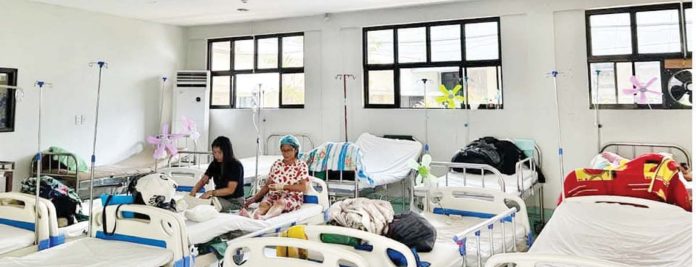
ILOILO – The current number of admitted dengue patients in this province’s various district hospitals remains manageable but the health facilities are bracing for a surge, according to the provincial government’s Hospital Management Office (HMO).
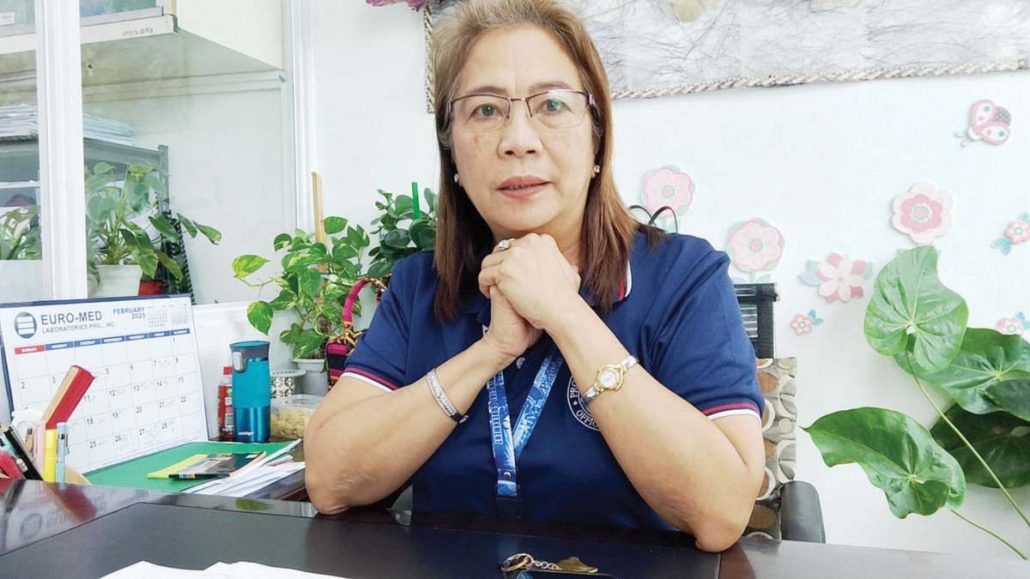
As of Monday, February 24, only 35 dengue patients were admitted across 13 district hospitals in Iloilo, based on the daily monitoring, said Dr. Paz V. Calopiz, head of the HMO.
This year marks the third-year cycle of dengue outbreaks in Western Visayas, which typically leads to an increase in cases.
Dengue is a mosquito-borne viral disease transmitted by infected Aedes mosquitoes. Symptoms include sudden high fever, severe headache, pain behind the eyes, joint and muscle pain, rash, and mild bleeding.
The breakdown of hospital admissions in Iloilo Province is as follows:
* Iloilo Provincial Hospital (Pototan) – two
* Aleosan District Hospital (Alimodian) – six
* Barotac Viejo District Hospital – one
* Sara District Hospital – eight
* Dr. Ricardo S. Provido Memorial District Hospital (Calinog) – one
* Dr. Ricardo Y. Ladrido Memorial District Hospital (Lambunao) – two
* Ramon D. Duremdes District Hospital (Dumangas) – one
* Ramon Tabiana Memorial District Hospital (Cabatuan) – five
* Rep. Pedro G. Trono Memorial District Hospital (Guimbal) – three
Four district hospitals reported no dengue patients – Don Valerio Palmares Sr. Memorial District Hospital in Passi City; Federico Roman Tirador Sr. Memorial District Hospital in Janiuay; Jesus M. Colmenares Memorial District Hospital in Balasan; and San Joaquin Mother and Child Hospital in San Joaquin.
From January 1 to February 15 this year, the province has recorded 592 dengue cases with five deaths — an increase of 77% compared to the same period in 2024, which had only 335 cases and one death, IPHO data showed.
According to Dr. Calopiz, however, Iloilo’s dengue situation is not alarming. She also stressed that many hospital beds remain available.
The province’s 13 district hospitals have a total authorized bed capacity of 837, which can be expanded with folding beds if necessary, should the number of admissions increase.
Despite the manageable situation, the provincial government, through the HMO and district hospitals, is prepared for a potential surge in cases. Dr. Calopiz assured that the hospitals are well-stocked with essential supplies such as medicines, dengue test kits, and IV fluids.
Health personnel are also on standby to handle any increase in dengue cases.
Severe dengue cases can lead to dengue hemorrhagic fever, which may cause bleeding, blood plasma leakage, and organ impairment, potentially resulting in death.
In case of a significant rise in admissions, similar to the 2019 outbreak, the HMO is ready to request additional medical personnel and supplemental budgets to address staffing shortages.
“We are prepared to request additional personnel and funds to cover any gaps, just as we did in the past,” Dr. Calopiz said.
This province has already surpassed both the alert and epidemic thresholds for dengue, signaling the need for urgent intervention, according to the Iloilo Provincial Health Office (IPHO).
Alert threshold refers to the level of occurrence of a disease that serves as an early warning for epidemics.
On the other hand, epidemic threshold refers to the level of occurrence of a disease above which an urgent response is required.
To streamline care, a “dengue fast lane” is in operation at each district hospital to prioritize suspected dengue patients.
Dr. Calopiz urged parents and guardians to immediately bring children showing symptoms of dengue, such as fever and rash, to the nearest health facility for early diagnosis and treatment.
She also reassured residents that there are no fees for indigent patients seeking treatment for dengue, as the illness is covered by PhilHealth.
“Parents and guardians should not worry. We urge them to be vigilant and seek medical attention promptly if their children show signs of dengue,” she said.
The municipalities with the highest number of cases so far are Leon (33), Oton (32, with one death), San Joaquin (32), Dumangas (31), Cabatuan (28), Lambunao (24), San Dionisio (23), Banate (20), Janiuay (19), and Tigbauan (19, with one death).
Thirty-three other areas reported dengue cases: Barotac Viejo (18), Estancia (17), Calinog (16), Sara (16), Ajuy (15), Passi City (15), Batad (14), Carles (14 cases with one death), Guimbal (14), Maasin (14), Pototan (13 cases with two deaths), Santa Barbara (13), Barotac Nuevo (12), Pavia (12), San Miguel (12), Concepcion (11), Miag-ao (11), Badiangan (10), Alimodian (nine), Leganes (nine), San Rafael (eight), Balasan (seven), Lemery (seven), Mina (seven), Tubungan (five), Anilao (four), New Lucena (four), San Enrique (four), Zarraga (four), Dueñas (two), Igbaras (two), and Bingawan (one).
The death toll from dengue has climbed to five as of mid-February. The latest fatality is a two-year-old girl from Tigbauan town. Other fatalities include:
* 67-year-old woman from Pototan, who died on January 5
* six-year-old boy from Pototan, who passed away on January 15
* 71-year-old man from Carles, who died on January 22
* 11-month-old boy from Oton, who died on January 29./PN