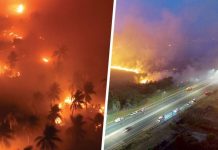



THE DECISION of the Iloilo City government to automatically suspend face-to-face classes once the heat index hits 41°C is a commendable and necessary move. As temperatures in Western Visayas creep dangerously into the “extreme caution” zone, Executive Order No. 024-A, Series of 2025, signed by Mayor Jerry Treñas, sends a strong message: public health, especially that of children, cannot be compromised.
But this urgent, sensible action also surfaces a deeper, more pressing question – are our local government units (LGUs) in general truly prepared for a warming future?
Climate change is no longer a distant threat; it is a lived reality. Schools, hospitals, transport systems, and water supply lines are increasingly vulnerable to prolonged heatwaves and extreme weather conditions. While suspending classes in the face of 41°C temperatures is a rational short-term response, the long-term solution lies in climate-resilient urban governance.
What we need now is a fundamental shift in how cities like Iloilo plan and build for the future. Schools must not only have flexible learning systems but also heat-resistant infrastructure — proper insulation, adequate ventilation, shaded open areas, and access to clean drinking water. Urban planning should factor in more green spaces, better tree cover, and heat-reflective surfaces to mitigate the urban heat island effect.
The Department of Health (DOH), too, must recalibrate its public health systems. Heat-related illnesses like stroke and exhaustion are becoming more frequent, and without robust community education, early detection systems, and heat-specific health protocols, hospitals could soon face seasonal surges in preventable emergencies.
Water and power systems are another frontier that requires urgent attention. DOH Region 6 has already raised concerns about possible water supply disruptions and electricity outages. LGUs must not only monitor consumption but also invest in sustainable and resilient infrastructure — rainwater harvesting, solar energy backups, and heat-adaptive technologies should become standard.
Mayor Treñas’ executive order may be Iloilo City’s first serious policy response to heat governance — but it should not be the last. It must be a starting point for deeper, broader climate adaptation strategies that protect the most vulnerable and sustain essential services in the face of growing environmental extremes.
The climate crisis is no longer just floods, storms, and sea-level rise. It is also the heat — and how we govern around it.