


ILOILO City – In response to plastic pollution in waterways and high urban temperatures, the city government has intensified its environmental initiatives, launching efforts in waste diversion and climate resilience, timed with the June 5 World Environment Day.
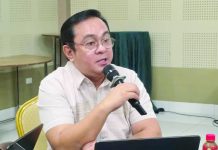
Engineer Neil Ravena, chief of the General Services Office (GSO), revealed that significant amounts of plastic waste continue to enter rivers and coastal areas despite the presence of Material Recovery Facilities (MRFs) in many barangays — indicating serious implementation gaps at the grassroots level.
“There’s a clear leak,” Ravena said. “If each barangay had a working MRF, plastic waste wouldn’t end up in our rivers and coastal areas.”
In particular, cleanup operations along the Batiano River recovered 760 kilograms of plastic waste, while city hall’s Department of Fisheries reported collecting up to 400 kilograms per day during peak periods.
Ravena attributed the ongoing problem to non-functional MRFs and poor waste segregation at the barangay level, especially in the 26 coastal and 18 riverside barangays.
“Yes, our material recovery facilities have been completely monitored, especially in the 26 coastal barangays and 18 barangays along the river,” he said. “However, we noticed a lot of plastic waste being washed into our bodies of water.”
Two major roadblocks hinder MRF success, according to Ravena: the difficulty of securing land for the facilities and residents’ resistance to hosting waste processing sites near their homes, commonly referred to as the “Not In My Backyard” or NIMBY attitude.
“One of the main issues is finding a lot for the facility. Second, some residents oppose having an MRF near their homes because of the perceived smell and waste issues,” he explained.
To address these challenges, the city is now promoting shared MRFs among clusters of 10 barangays and has deployed mobile MRFs in 18 barangays to improve coverage and efficiency.
According to GSO data, Iloilo City generates approximately 650 tons of waste per day, yet only about 400 tons are collected and sent to the landfill.
“This means we are achieving a 30 percent waste diversion rate. We aim to increase that to 50 percent,” Ravena noted.
Meanwhile, the city also ramped up efforts to address the urban heat problem through tree-planting drives under Project TRANSFORM. The initiative, launched on World Environment Day, saw over 500 volunteers plant trees along Diversion Road and Sunset Boulevard — two areas hit hardest by extreme ground-level temperatures ranging from 46 to 48 degrees Celsius.
“This is not just about aesthetics. Trees will help cool our environment, especially in urban hotspots. The mayor is very concerned about the impact of the heat, particularly along Diversion Road,” Ravena emphasized.
“These efforts are part of the city’s broader climate risk mitigation and environmental resilience agenda,” he added, as the local government continues to urge stronger public participation in environmental programs. “Sustainable change requires both policy and community involvement.”/PN