



ILOILO Ci ty – To combat health misinformation and promote behavior change, the Department of Health (DOH) has turned to the country’s media practitioners as key allies in its nationwide campaign for health literacy.
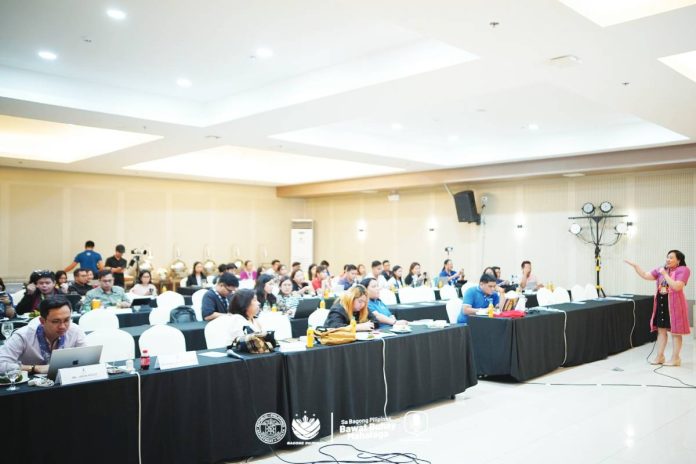
A three-day “Engaging Media for Health Literacy” conference held from July 30 to August 1 in this city became a strategic platform for the DOH to reinforce its 8-Point Action Agenda and equip journalists and communicators from Regions 6, 7I, 8, and the Negros Island Region with tools to become frontliners in public health promotion.
“It is truly your voice, your platforms, and your unwavering dedication that empower and inform our communities,” said Dr. Annabelle Yumang, regional director of DOH Region 6. “The media serves not only as a conveyor of facts but also as catalyst for meaningful behavior change.”
Yumang emphasized the urgency of countering health-related disinformation, especially in times of public health emergencies and amid persistent misinformation surrounding diseases such as tuberculosis (TB) and malnutrition.
The event, organized by the DOH’s Health Promotion Bureau (HPB), also tackled pressing health issues tied to National Nutrition Month and National Disaster Resilience Month.
On the opening day, HPB Health Education and Promotion Officer IV Jason Roque gave an in-depth orientation on the agency’s Health Promotion Framework Strategy and behavioral advocacy campaigns. These campaigns target specific health challenges and aim to shape healthier habits through strategic communication.
Ma. Arlene Arbas, HPB Division chief, stressed the role of consistent media engagement in fostering long-term partnerships for public health: “It is crucial to build strong and enduring relationships with the media in our shared mission to promote a healthier Philippines.”
Participants also heard from Mylin Mirasol Quiray of the Commission on Population and Development, who discussed how population trends influence health-seeking behavior. She cited three key issues: the alarming rise in adolescent pregnancies among those below 15, the growing aging population, and the risks of a below-replacement fertility rate that could affect national development in the long term.
Tuberculosis was spotlighted as a persistent and underreported concern in Western Visayas, with estimated 2023 cases exceeding 22,000 — well above actual reported cases — underscoring the need for better information dissemination and public engagement.
The National Nutrition Council meanwhile tackled the link between unhealthy diets and reduced productivity, pointing to stress, fatigue, and chronic diseases caused by poor eating habits as a major concern.
The conference was framed within the administration’s “Bagong Pilipinas” governance strategy, with health literacy championed as a cornerstone of inclusive and sustainable development./PN