

THE country’s inflation or the rate of increase in the prices of goods and services reversed its path in July 2025 after decelerating to 0.9 from month-ago’s 1.4 percent, driven primarily by the slower upticks in electricity rates and prices of liquefied petroleum gas (LPG).
The latest inflation figure, the lowest since October 2019’s 0.6 percent, brought the average in the first seven months this year to 1.7 percent, still below the government’s 2 to 4 percent target.
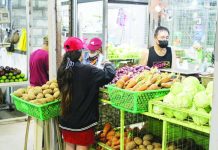
National Statistician Claire Dennis Mapa, in a briefing yesterday, said food and non-alcoholic beverages also contributed to the lower inflation rate last July due to lower price increases of several items like rice, vegetables, tubers and cooking bananas; and fuel prices.
He said a continued drop in rice prices is seen to result in slower uptick for this particular item for the rest of the year, despite the proposal to stop rice importation and increase tariff to protect local farmers.
The government increased rice importation and lowered rice tariff from 35 percent to 15 percent for a period, starting in the second half of 2024 until 2028 to address rice price hikes.
This resulted in lower rice inflation, from 14.7 percent in August 2024 to 0.8 percent in December last year.
Mapa forecast rice inflation to remain in negative territory for the next four months.
In terms of the impact of recent typhoons, Mapa said prices of vegetables have inched up in the second half of July, which is normal during typhoon season.
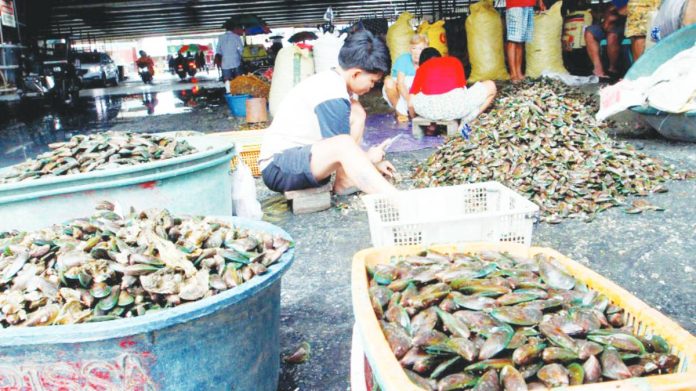
While inflation is seen to remain low, he pointed out that there are threats such as the higher prices of pork products, due to the impact of African Swine Fever (ASF); higher demand for chicken meat, as an alternative to pork, and rising prices of fish.
Deflation in low-income households
With the government is offering cheaper rice to the vulnerable sector, inflation rate for the bottom 30 percent income group as of July slipped to -0.8 percent from the year-ago’s 5.8 percent, the Department of Economy, Planning, and Development (DEPDev) noted.
Aside from rice, other contributors to the lower inflation rate for the bottom 30 percent income group are slower upticks in the prices of corn and vegetables and tubers, it said.
Citing reports from the Department of Agriculture (DA), DEPDev said about P495.4 million worth of agricultural inputs like rice, corn, and vegetable seeds were allocated for the victims of recent calamities.
The DA also has a Quick Response Fund and offers interest-free loans of up to P25,000 through the Survival and Recovery (SURE) Loan Program, it said.
It also expects an additional 150,000 AVAC live vaccine doses from Vietnam this month to be used to address the ASF problem in several areas nationwide. (PNA)