
ILOILO — With Oton and Pavia ranking among Iloilo province’s towns with the highest number of human immunodeficiency virus (HIV) cases, their Rural Health Units (RHUs) have ramped up grassroots interventions — from education drives and school campaigns to partnerships with youth and LGBT groups — while also pushing for stronger treatment infrastructure.
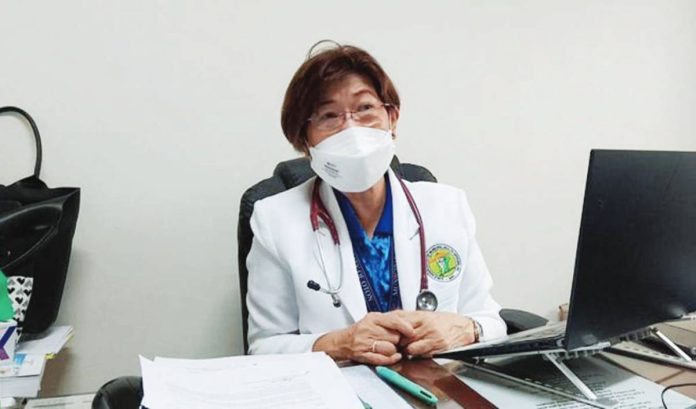
In Oton, the RHU has been working closely with barangay officials and the Sangguniang Kabataan (SK) to strengthen HIV awareness. “Recently, during a comprehensive lecture organized by the SK called ‘HIV 101’, we emphasized the importance of understanding HIV and the necessity of getting tested,” said Dr. Sally Ticao, Oton municipal health officer.
HIV attacks the immune system, specifically CD4 cells, weakening the body’s ability to fight infections. If left untreated, it can progress to AIDS (Acquired Immunodeficiency Syndrome), where the body becomes extremely vulnerable to infections and cancers.
Just this June, the Department of Health (DOH) and the Provincial Health Office (PHO) reported that Oton logged the most HIV cases in Iloilo Province, followed by Pavia, Pototan, Janiuay, Santa Barbara, Dumangas, Cabatuan, Barotac Nuevo, Miag-ao, and Lambunao.
“We encourage not only healthcare personnel and patients, especially those attending our primary care center, but also inmates and individuals entering custodial facilities. Participation in testing, however, is entirely voluntary. We want to ensure that everyone feels comfortable seeking help without coercion,” said Ticao.
She added: “Additionally, may organized kami nga LGBT. May nadala ako nga staff nga may screening kit, everyday amo na naubra. Early kami ga-campaign. Our proactive approach to campaigning aims to raise awareness early and continuously.”
Data from DOH show Iloilo Province topping Region 6’s HIV list, recording 2,174 cases from 1988 to March 2025 — or 34 percent of the regional total. From January to March alone this year, 111 new infections were documented, 40 of them in March. The province also logged 15 HIV-related deaths in the same quarter.
Ticao noted more patients are now voluntarily seeking consultations and testing. “We are encouraged by the fact that many patients take the initiative to seek consultations voluntarily, demonstrating growing awareness. Encouragement ang kinahanglan, pero kis-a kadamo gid ya gahambal nga ‘di sila mag-testing. And we cannot force people,” she said.
“Kon may suspect kami, gina-subject namon (to testing). Ang patient mismo ga-seek consultation, on their own. (And) gina-enhance pa gid namon ang what we can do,” she added.
She stressed the role of continuous community engagement: “Our efforts to enhance our health services are ongoing. We consistently encourage our nurses and barangay healthcare officials to adopt a more proactive stance in health education. Ga gwa gid na sila para mag pang-test.”
“While encouragement is vital, we often encounter resistance from individuals who express reluctance to undergo testing. Therefore, it is crucial for us to engage them effectively and to educate them on the serious health consequences that may arise from undetected and untreated infections,” Ticao emphasized.
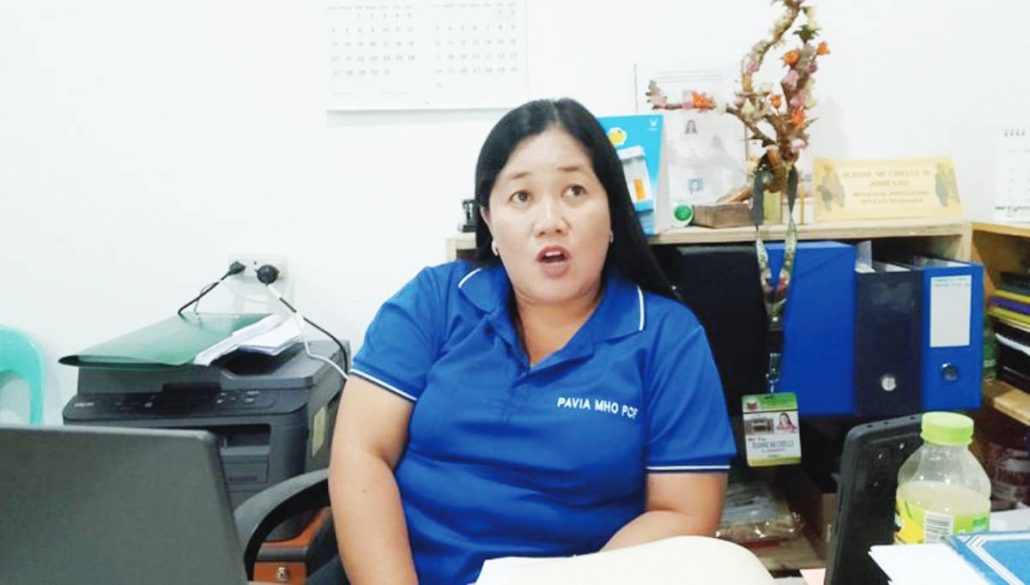
Meanwhile, Pavia is moving to establish its own HIV treatment hub to ease access for residents. “Actually, Pavia has already sent an application or letter of intent to DOH to establish an HIV treatment hub, but it is still in process. We intend to process the requirements, but we have not yet initiated the licensing. There are certain criteria we need to comply with based on the DOH guidelines, and this is included in Pavia’s annual investment plan and the Comprehensive Development Plan for setting up the treatment hub,” said Nurse I Jeanne Michelle Jomento.
DOH-6, for its part, is stepping up campaigns against persistent myths that fuel stigma. “This is not just a public health issue; this is a battle against dangerous misconceptions,” it said in a statement, stressing that misinformation acts like a “poison” that undermines prevention and treatment efforts.
According to Jomento, preparations for the treatment hub are underway: “We have worked on the physical aspects of the hub. Once we successfully meet the DOH requirements, we will then proceed with the intent to obtain a license, as the structure is already in place. We hope to achieve this by the end of this year or early next year. It is high time to establish this in Pavia, especially as the population continues to grow. If we succeed, it will be a significant aid.”
“If ever nga matigayon na, dako gid nga bulig not just sa community kundi sang mga HIV naton, nga ‘di na sila kinangalan mag-travel pa, kag didto pa magkuha sa ila bulong,” she added.
Apart from infrastructure, Pavia RHU sustains health promotion in schools and communities. “In Pavia, the situation is not alarming; rather, people are somewhat aware that this illness can be treated and that help is available,” Jomento said.
The RHU also has trained personnel to conduct rapid HIV tests. “If any results come back as reactive, we refer those individuals to Western Medical Center for confirmatory testing. At that stage, we no longer have control, as it becomes Western’s responsibility,” Jomento explained.
DOH-6 also clarified HIV’s modes of transmission, stressing it cannot spread through casual contact such as kissing, hugging, handshakes, sharing food or utensils, sneezing, or using the same toilets or swimming pools. The virus spreads mainly through unprotected sex, sharing needles, infected blood transfusions, and mother-to-child transmission during pregnancy or breastfeeding.
“If we successfully establish our program, we will also have certain procedures that must be followed to protect the identities of the individuals we treat. It is crucial that someone does not publicly declare, ‘I want to get an HIV test,’ unless they have given their consent. Written consent is required beforehand, and this is documented in the patient’s form every time they undergo testing,” Jomento said.
She highlighted the LGBT community’s role in advocacy. “It is essential for individuals in the LGBT community to receive proper training and orientation regarding the testing process, including how to secure the testing kit and the correct disposal methods. The health worker conducts the rapid tests and ensures that the kits, especially the sharps, are disposed of properly,” she explained.
“Kon mag-conduct LGBT symposium, we support it, and ga-coordinate man sila sa amon. Pwede kami mag bulig tap ka mga speakers, partner private agencies. Gakadto man kami sa schools, ga-conduct kami orientation. Naga-partner kami sa ila teen centers,” she added.
Like Oton, Pavia officials link the rise in reported HIV cases to greater awareness and more proactive testing. HIV testing is also integrated into the Tuberculosis (TB) program, with TB patients offered counseling, rapid HIV testing, and STD screening if deemed vulnerable. Pregnant women are also routinely screened./PN
(caption for Jomento)
NELJOY GALIGAO/PN
Pavia, Iloilo is moving to establish its own HIV treatment hub. “There are certain criteria we need to comply with based on the Department of Health guidelines, and this is included in Pavia’s annual investment plan and the Comprehensive Development Plan for setting up the treatment hub,” says Nurse I Jeanne Michelle Jomento.