



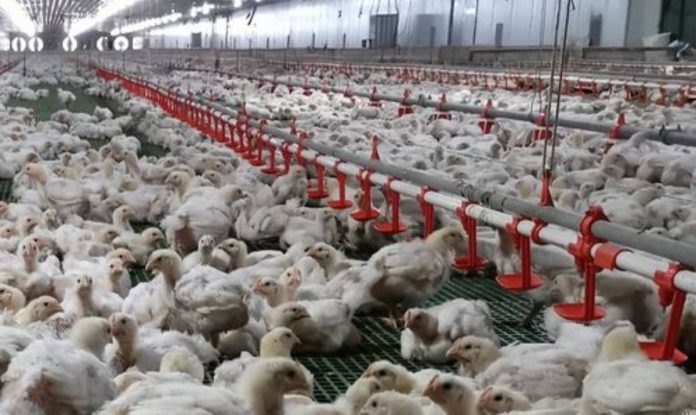
BACOLOD City – The Sangguniang Panlungsod (SP) here has moved to tighten regulations on poultry dressing and processing plants in the city, stressing their vital role in the food supply chain while also noting potential risks to public health, sanitation, and the environment if left unchecked.
During its regular session on September 3, the SP approved on first reading the proposed “Poultry Dressing and Processing Plant Compliance Ordinance of Bacolod City” authored by Councilor Wilson Gamboa Jr.
The proposed ordinance mandates strict compliance of all poultry dressing and processing facilities with city, national, and environmental laws, and sets heavy penalties for violations.
Gamboa said no poultry plant should operate within 100 meters of residential areas, commercial zones, schools, churches, or other establishments that may be adversely affected by their operations.
Operators must also secure a business permit from the City’s Business Permits and Licensing Office (BPLO), sanitary permit from the City Health Office (CHO), environmental compliance certificate (ECC) or certificate of non-coverage (CNC) from the Department of Environment and Natural Resources (DENR), wastewater discharge permit from the DENR-Environmental Management Bureau (EMB), food safety compliance certificate from the National Meat Inspection Service (NMIS), and barangay clearance from the host barangay, before operating.
To ensure compliance, plants will be required to maintain strict sanitation and hygiene standards under the Sanitation Code of the Philippines (PD 856) and NMIS rules, implement proper solid waste disposal and wastewater treatment systems in line with DENR regulations, submit periodic reports on waste management and food safety to the CHO and Bacolod Environment and Natural Resources Office (BENRO), and install odor-control systems while preventing untreated discharges into waterways.
Violators will face stiff fines and sanctions:
* first offense – P50,000 fine and issuance of a notice of violation with a 15-day compliance period;
* second offense – P500,000 fine and suspension of operations until full compliance; and
* third offense – P1.5 million fine, revocation of business permit, and permanent closure of the facility.
The proposed measure will undergo further deliberations in the coming sessions./PN