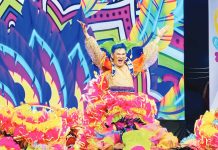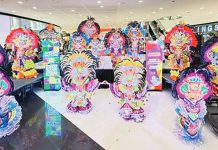



FOR MORE than four decades, Bacolod City’s MassKara Festival has captivated audiences with its vibrant colors, infectious energy, and spectacular street dancing. Today, it is celebrated as one of the Philippines’ most iconic fiestas.
But MassKara’s origins were not as colorful and lively as they are today. The festival was born out of a dark period. In 1980, Negros Occidental was reeling from the near collapse of the sugar industry, leaving the province in widespread hunger. That same year, tragedy struck Bacolod City when the M/V Don Juan of Negros Navigation sank off Mindoro on April 22, claiming the lives of dozens of Bacolodnons and Negrenses.
Amid these dark times, a celebration of joy was born — a festival designed to mask sorrow with smiles.
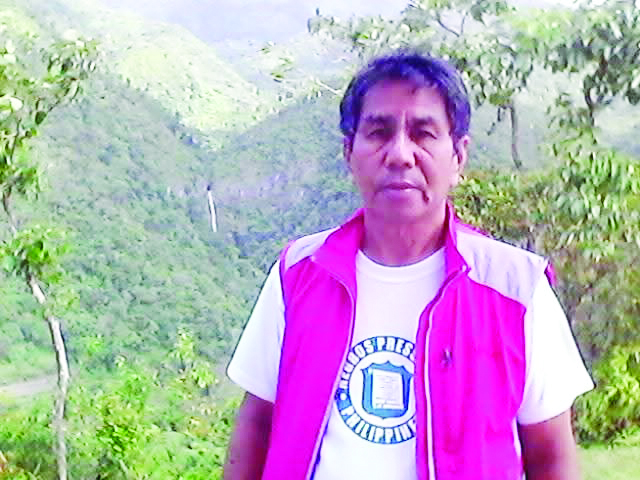
Yet, there is an untold chapter of MassKara’s story. This piece sheds light on the lesser-known origin behind the iconic festival, a narrative brought forward by 76-year-old Bacolod broadcaster Angelino “Jun” Julita. In a candid interview this year, Julita revealed the playful yet determined circumstances that led to MassKara’s conception.
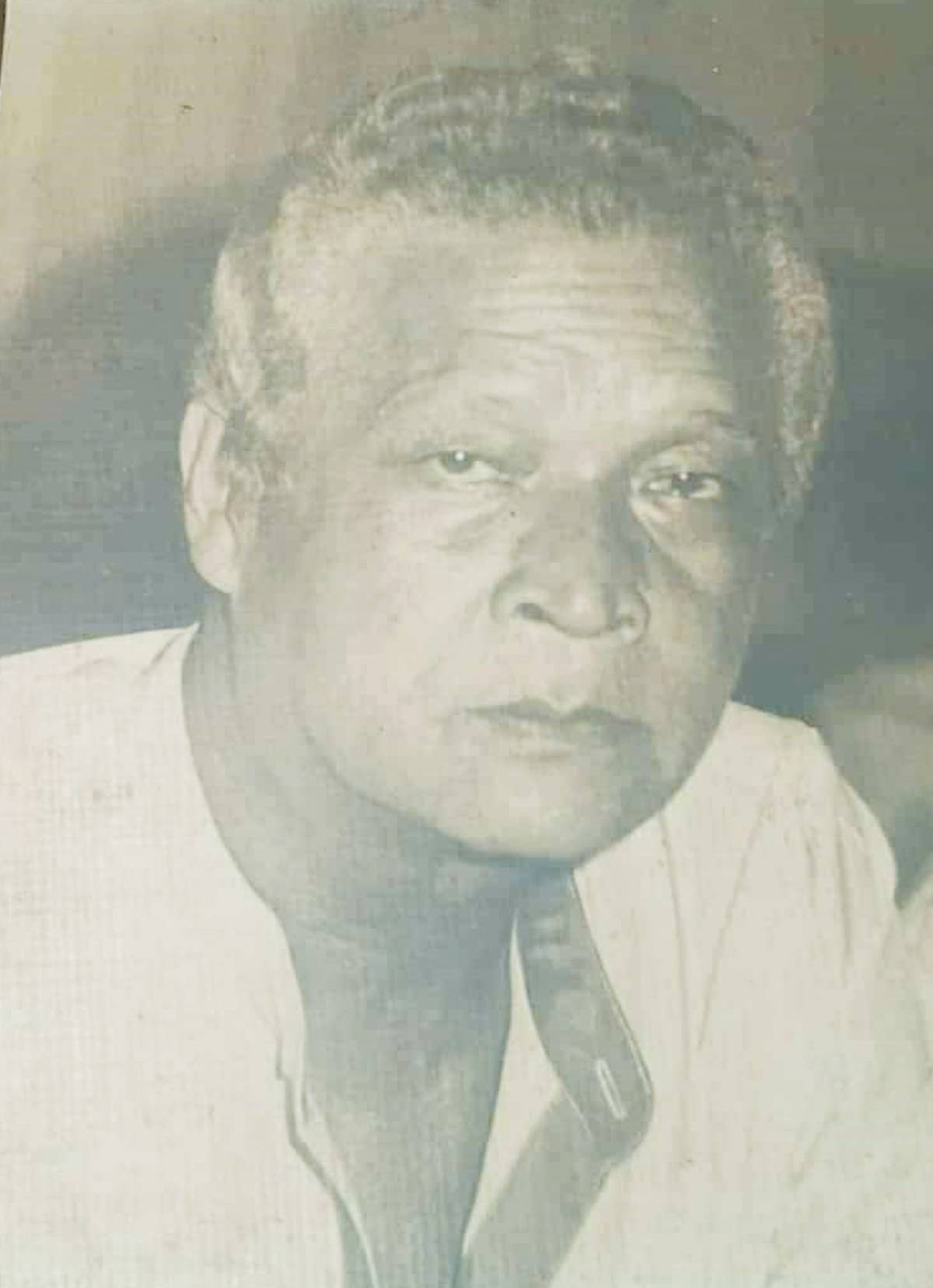
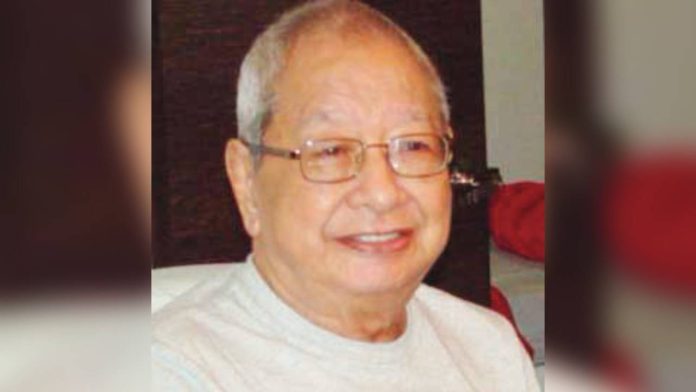
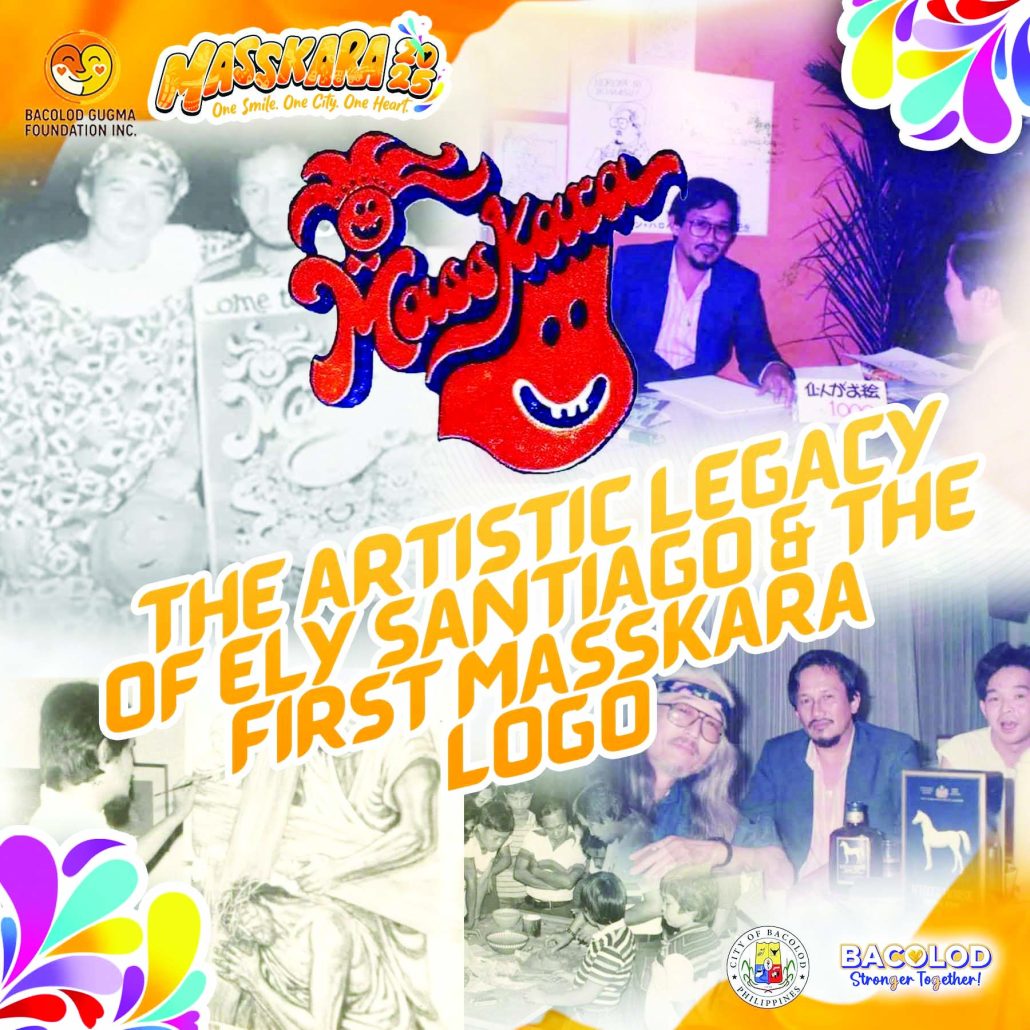
While the late Ely Santiago, an artist and member of the Art Association of Bacolod (AAB), is credited with designing the smiling mask that became Bacolod’s symbol as the “City of Smiles,” the festival’s true creators were less known — until now.
Julita, who continues to anchor Konting Kuskos, Ayos! on Hapi 104.7 FM, recalled the key players behind MassKara: Santiago, Ramon de la Luna (RDL), artist George Macainan, himself, and the late Bacolod mayor Jose “Digoy” Montalvo. Together, this quintet would gather at a videoke-cum-bar on the ground floor of the Negros Press Club along San Juan Street.
Over bottles of beer and rounds of sing-along, they spent nearly two weeks in what Julita calls “heated discussions” — an intramural of wit and creativity — brainstorming a festival that could lift the spirits of Bacolodnons during those troubled times.
RDL, then station manager of Radio Mindanao Network’s dyHB-Radyo Agong, coined the term “MassKara”, pairing it with the poignant tagline: “Smiling outside, crying inside.” Even Montalvo initially resisted the idea but eventually relented, allowing Santiago and Macainan to give artistic life to the smiling mask.
Julita remembered it as a “powerful mixture of beer, songs, and brains of art” — a casual yet spirited collaboration that gave birth to the now-famous MassKara mask.
From those intimate, laughter-filled sessions, MassKara grew into the world-class festival it is today — complete with street parties, concerts, beauty pageants, and, of course, the much-anticipated street dancing.
Yet, according to Julita, what truly cannot be erased from MassKara’s history is the unconventional catalyst behind its creation: the “power of beer and songs” that sparked a celebration of joy in the face of adversity — a festival that continues to bring smiles to the world./PN
4
Ely Santiago, a painter, cartoonist and satirist, designed the first MassKara logo.
PHOTO COURTESY OF MASSKARA FESTIVAL 2025 FB PAGE