


THERE was something indescribably magical about Christmas in Iloilo during the 1990s — a magic so simple, yet so unforgettable that it still warms the heart decades later.
In a world untouched by smartphones, LED festivals, and curated holiday aesthetics, the season shimmered with small joys: the laughter of neighborhood kids, the glow of homemade parols, the scent of freshly cooked bibingka, and the comforting truth that every family, no matter how modest, found its own way to make Christmas feel full.
Caroling: The symphony of Ilonggo childhood
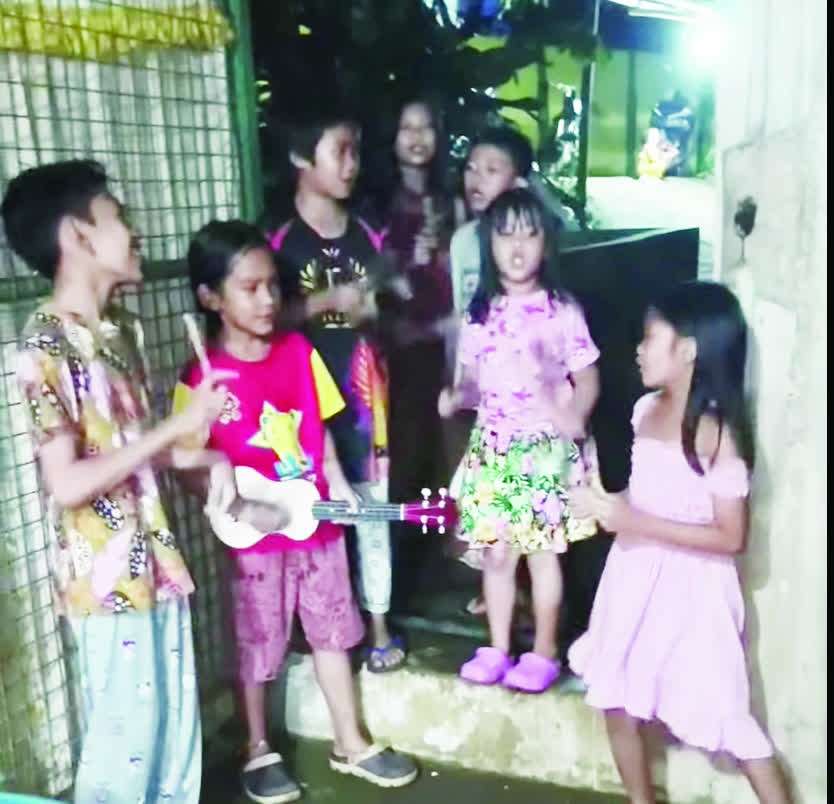
Every December afternoon, as soon as school let out for the holidays, streets hummed with the sounds of children preparing for nightly adventures. Tansans were hammered flat against stones and strung with alambre to create improvised tambourines. Milo cans were repurposed into drums, and walis tingting became makeshift rhythm sticks.
As dusk fell, children — hair still messy from patintero games — gathered near sari-sari stores to form their official caroling teams. The rules were simple: whoever held the tambourine led the group, and whoever sang the loudest got the biggest coin for the night.
The thrill wasn’t about the money; it was in the ritual.
I remember those nights so clearly — the excitement of going house to house with our homemade instruments and the belief that Christmas was ours to celebrate. Even if we only earned a few coins, it felt like we were the happiest kids in the world.”
Some households requested the ever-favorite “Sa Maybahay ang Aming Bati”, while others — usually stricter — waited for a full medley before handing out a coin wrapped in tissue paper. Even when children heard the familiar “Patawad lang, ha”, they never walked away disappointed. The night was too alive, too pure, for anything to dampen the joy.
In the province: Christmas wrapped in moonlight and fireflies
If the city buzzed with energy, the province radiated a softer kind of Christmas magic. In Iloilo’s towns, kids walked barefoot along dusty roads, lanterns swaying with each step. Fireflies illuminated rice fields like scattered fairy lights, becoming nature’s decorations. Carols floated through the night — sometimes cracked, sometimes shy, always heartfelt.
Children collected coins in old ice candy bags. After each round, they sat under the moon, dividing their earnings, laughing at inside jokes, and planning the next route. Happiness was never measured in coins — it was bigger.
Other joys included the smell of lechon roasting in the barangay plaza, the sound of elders singing Hiligaynon Christmas hymns after Simbang Gabi, and children chasing each other with glowing lusis across open fields.
The magic of Santa and the moment we learned the truth
For ‘90s Ilonggo kids, Santa Claus wasn’t a mall attraction — he was real in the quiet moments before dawn.
We would hang socks by the window or at the foot of our beds. I’d stay awake, trying not to blink, hoping to see Santa. But I always fell asleep. Later, I realized it wasn’t Santa — it was my parents. Somehow, knowing that made the memory even more beautiful.
Some families left cookies and a glass of water for Santa, only to find crumbs the next morning. Others woke up to candies, plastic toys, or crisp coins tucked inside socks. Even if a child received nothing, parents reassured them that Santa had visited another relative first.
Noche Buena: Midnight feasts that made every child feel rich
No matter how simple life was, Noche Buena was sacred.
By 11:30 p.m., families gathered around the table — hungry, warm, and half-asleep. Meals varied depending on what each household could afford: pansit, molo soup, soft monay bread, queso de bola if there were extra savings, and the ever-reliable tsokolate made from tablea.
It wasn’t the food — it was being surrounded by people you loved. I remember falling asleep on my mom’s lap after too much molo, waking up to fireworks outside.
Children played with new toys while elders exchanged stories they had told countless times. The laughter was loud, overlapping, familiar — like music that only played once a year.
The province after midnight: A world alive with wonder
In the province, midnight revealed a new universe of sound and color. Fireworks were simpler — mostly kwitis, rebentador, and trianggulo. Kids squealed with delight as lights shot into the sky. In barangays without fireworks, children made noise with ladles on kaldero, while uncles lit bamboo cannons (boga) echoing across the hills.
Lanterns made of papel de japon fluttered in the breeze, their glow soft and graceful. Dogs barked at firecrackers, neighbors greeted each other from windows. Everything felt alive.
Christmas visits: The joy of going house to house
On Christmas Day and New Year’s Eve, children visited relatives to greet them personally. In the city, kids hopped from apartment to apartment shouting, “Mano po! Merry Christmas!” In the province, families prepared plates of homemade butong-butong, ibos, and bibingka, knowing children and neighbors would drop by.
Older cousins gave coins; ninongs and ninangs gave bills; grandparents offered hugs, stories, and whatever treats were at hand. It was a ritual that stitched families together year after year.
Today at 26: Christmas has changed—but the heart remains
The Iloilo Christmas of today is different — modern, bright, digital, fast. Kids rarely roam the streets caroling, opting for TikTok dances or online games. Santa’s illusion is revealed earlier, often by YouTube videos. Visiting relatives is less common, replaced by group chats and video calls. Even Noche Buena competes with the soft glow of phone screens.
Christmas now is still warm, just different. But nothing compares to the raw magic of growing up — the barefoot walks, the carols, the fireflies, and the belief that everything was extraordinary. Those memories shine even brighter now that we’re older.
The city has changed. The province has evolved. The world has grown louder in some ways, quieter in others.
But the memories live on.
They flicker like lanterns; echo like distant bamboo cannons; glow like childhood itself — forever untouched, forever warm.
Every December, those memories return, reminding us that while we may have grown up, the child within us still waits for Christmas with the same wide-eyed wonder./PN
captions
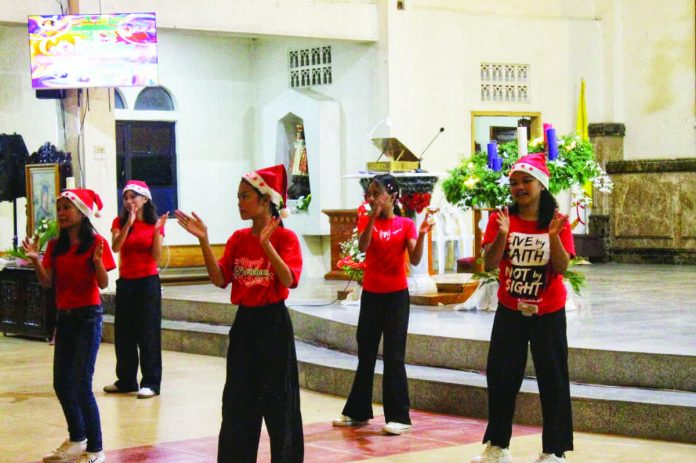
Photo 1
Children performed a Christmas play during the annual Christmas Eve celebration at a church in Iloilo Province.
Photo 2
1990s kids caroling from house to house, spreading joy and collecting coins in improvised bags.
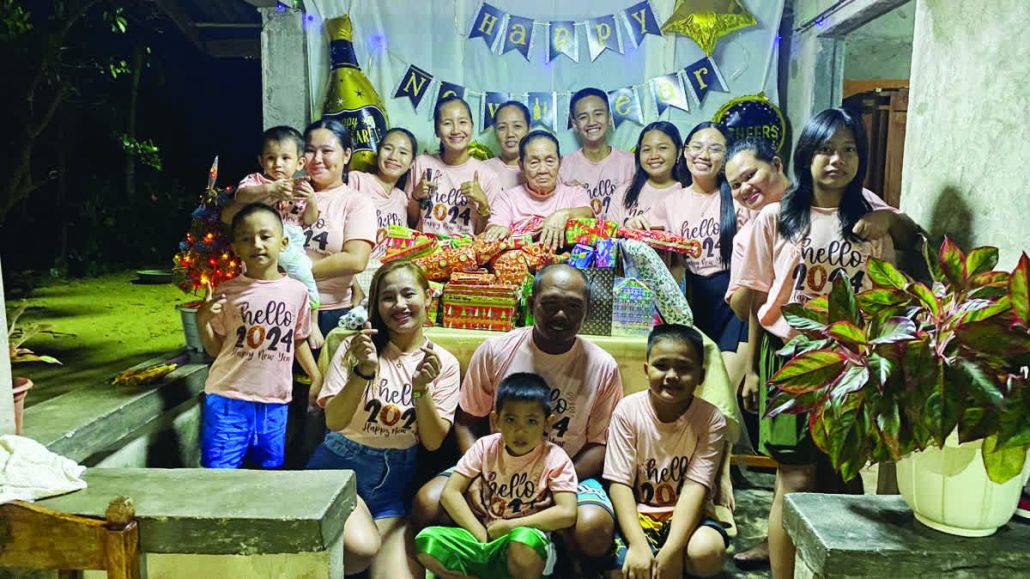
Photo 3
An Ilonggo family celebrating the Yuletide season with gift exchanges; a grandmother shares New Year’s Eve moments with her grandchildren.