


THE EFFECTIVE transmission rate for December slipped to P1.35 per kilowatt hour (kWh) from last month’s P1.51/kWh, driven by changes in consumption, officials of the National Grid Corp. of the Philippines (NGCP) said Wednesday, December 17.
In a briefing, Julius Ryan Datingaling, NGCP Assistant Vice President and head of the Revenue Management Development, said the rate adjustment in the Luzon grid is a drop of P0.22/kWh due to an increase in energy consumption.
On the other hand, the Visayas grid posted a P0.22/kWh increase in rate due to a decrease in energy consumption, and the Mindanao grid by P0.4/kWh because of an increase in the ancillary service (AS) rate, which is based on the electricity purchased for support of the capacity and is priced per megawatt.
In the same briefing, NGCP spokesperson Cynthia Alabanza explained that the NGCP does not gain from these rate movements because its collections are capped, and these rates depend on the distribution utilities.
She said the transmission rates are driven by consumption, not the rate of service.
Because of these intricacies, Alabanza underscored the need to unbundle these rates to make them transparent.
“Over the last year, we saw the contribution of the ancillary services on the movement in prices, which is a pass-through cost and does not go to NGCP. So, people would know that if there are rate upticks, it’s not solely because of NGCP,” she said.
Calamity-hit facilities
Meanwhile, Alabanza said they have fully restored transmission facilities across the country destroyed during the recent calamities.
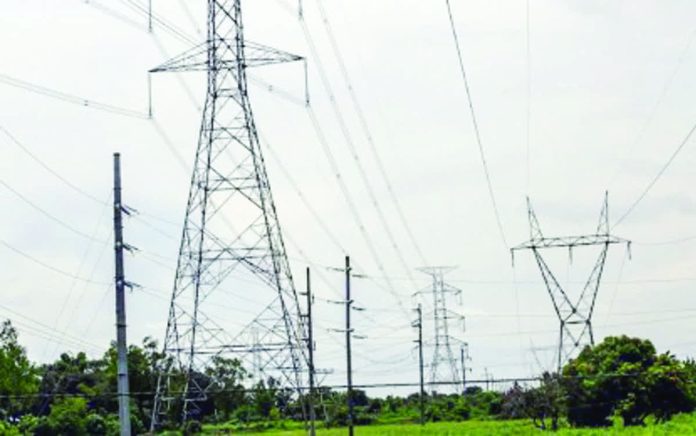
“It never takes NGCP more than a few weeks to finish restoration,” she said, attributing this to the need to immediately address the situation by putting up bypass lines “constructed using what we call ERS, emergency restoration systems.”
Alabanza said the ERS are prefabricated tower parts that their linemen can easily configure, depending on the needs of the affected transmission lines.
She said the ERS can also be set up without the need for any heavy equipment, although for remote areas, they use helicopters to transport the parts.
“So that makes it easier and more expedient for NGCP to create that bypass line and restore transmission services immediately, pending the process that it will take for us to do the permanent restoration,” she added. (PNA)