
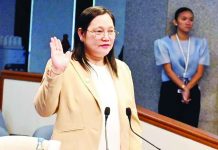
MANILA — The Department of Health (DOH) sought to calm public fears over reports of a so-called “super flu” circulating abroad, saying the Philippines faces no immediate threat after detecting and containing 17 local cases months ago, all of which fully recovered, while advising Filipinos traveling to colder countries to take extra precautions and get vaccinated.
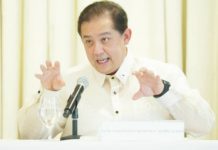
Health secretary Teodoro Herbosa said the cases linked to the new influenza subtype were recorded as early as July and August and did not result in severe illness, underscoring that the situation does not warrant alarm.
“We’ve actually detected about July, August, about 17 cases that were determined to be of the new subclass of the super flu. All of them have recovered,” Herbosa said in a press briefing at Malacañang.
Herbosa stressed that influenza remains a seasonal illness that typically resolves on its own, although complications may occur among vulnerable groups such as senior citizens and those with underlying health conditions.
“Flu is a seasonal infectious disease,” he said, noting that severe cases are more likely among individuals with weakened immune systems.
The health chief attributed the reported spike in flu cases in countries such as the United States and the United Kingdom to extreme winter conditions that favor viral transmission.
“Matindi, malamig na malamig kasi doon ngayon (It is extremely cold there right now),” Herbosa said, explaining that colder temperatures can intensify both the spread and severity of influenza.
In contrast, Herbosa said influenza activity in the Philippines follows a different pattern, with cases typically rising during the rainy season.
“Our flu season actually is during the rainy season,” he said.
The DOH continues to promote influenza vaccination, particularly among high-risk populations, using the Southern Hemisphere flu vaccine, which already covers circulating influenza A variants.
“As long as makapagpa-vaccinate iyong high-risk (So long as high-risk individuals get vaccinated),” Herbosa said.
He added that the 17 cases were identified only after the DOH reviewed its disease surveillance data following overseas reports about the new variant.
“When that was announced by the US, we found out that in our surveillance lumalabas na pala iyon (It turned out it was already appearing in our surveillance),” he said, noting that the cases were recorded in Metro Manila.
While reiterating that the situation is not alarming, Herbosa advised Filipinos traveling to temperate regions to remain cautious.
“Not alarming, but there is a new variant out there,” he said. “If you’re going to North America or the UK, maybe get the Northern Hemisphere vaccine.”
The DOH said it will continue to closely monitor influenza trends through its surveillance systems as part of its public health preparedness efforts./PN