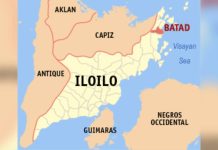



ILOILO City — Long before the sun rises over the city’s busy thoroughfares, drivers of traditional jeepneys are already on the road — engines humming, eyes fixed ahead, and worries quietly riding shotgun.
For many of them, stopping is not an option.
Amid relentless fuel price hikes caused by the United States-Israel war in Iran, these jeepney drivers continue to ply their routes, choosing survival over protest. While some transport groups have staged holidays to air their grievances, others — like those navigating the CPU–Ungka and Jaro Liko Tagbak routes — keep moving, compelled by the simple need to put food on the table.
But behind every trip is a quiet calculation: How much will be left at the end of the day?
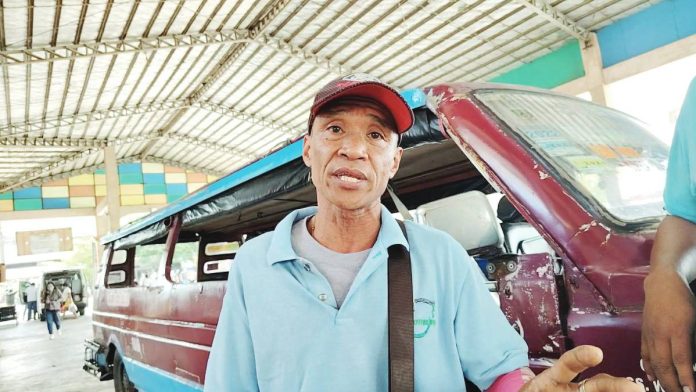
For Jose Joey Bobis, a 51-year-old driver with three decades of experience, the answer is becoming increasingly uncertain.
“Ma-byahe gid kami ‘ya asta sa hapon, tuloy-tuloy,” said Bobis.
His decision to keep driving mirrors a harsh reality — one where missing a day’s work could mean missing rent, or worse, a child’s school allowance.
Yet the commitment comes at a cost.
“Sang tunga gid ‘ya ang madula sa amon. Pero waay man ta may mahimo. Mga P1,800 ang magastos ko sa pagtughong. Okay ‘ya ang pasada namon. Ang problema, sa gasolina lang gasulod ang amon income. Sobra-sobra ka-taas presyo sang gasolina,” he lamented.
Every peso earned seems to slip straight into the fuel tank.
Bobis, like many drivers, does not own the jeepney he operates. He rents it daily — for P1,000 — shouldering not only the boundary but also the ever-rising fuel expenses.
“Subong, maka-byahe ka nga haluson ‘di kabayad sa kita mo. Sang una nga waay pa nagtaas krudo, ginansiya mo isa ka libo, okay na. Subong, ang isa ka libo mo, buhinan mo pa ka idugang mo sa tughong mo. Kundi mga P400 na lang bilin ihatag ko sa pamilya ko,” he added.
Four hundred pesos — on a good day — is what remains after a full day’s work.
And that, Bobis said, must stretch to cover everything.
“May mga kabataan pa ako. Ga-board pa ako nga daan. Kon mauntat ko pamasada, waay ko ibayad sa boardinghouse. Kag may napa-eskwela pa ko nga bata. Sa balay akon asawa, ako lang isa gapangabuhi para sa amon,” he added.
“Ga-kuriit kag ga-problema man ako eh, pero wala ko may mahimo. Kayod lang,” Bobis stressed.
Across Iloilo Province, the story repeats itself.
In Barotac Nuevo town, 52-year-old driver Radey Gadian faces a similar struggle — one that he describes not just as difficult, but disheartening.
“The money we make now feels almost meaningless; it’s as if we’re just surviving through this increasing fuel crisis without any real benefit,” he said in Hiligaynon.
Under a sharing scheme, Gadian receives only 40% of the daily earnings, with 60% going to the operator. Whatever remains must first cover fuel — often leaving little to nothing behind.
“Ang amon kinitaan, sakto lang sa tughong. Daw wala na lang pulos,” said Gadia,
With two children in college, even public education comes with daily costs he struggles to meet, citing their daily school allowance.
He recalled a time when driving a jeepney meant stability — when a full day’s work could bring home P1,000 in earnings. Today, that same amount barely covers fuel.
“P200 bilin sa imo. Ano mabakal mo sina? Iban sa kabataan mo, indi ka na kapa-allowance tungod sa amo ‘ni nga kahimtangan,” Gadian lamented.
He added: “Mag anum ako ka libot, sang una ang tughong isa ka libo. Subong gatughong ka P2,000. Daw ginabuhi mo lang ‘ya gasoline companies,” he added.
Despite the hardship, drivers are staying on the road.
“Just to ensure there’s some income trickling in,” Gadian explained.
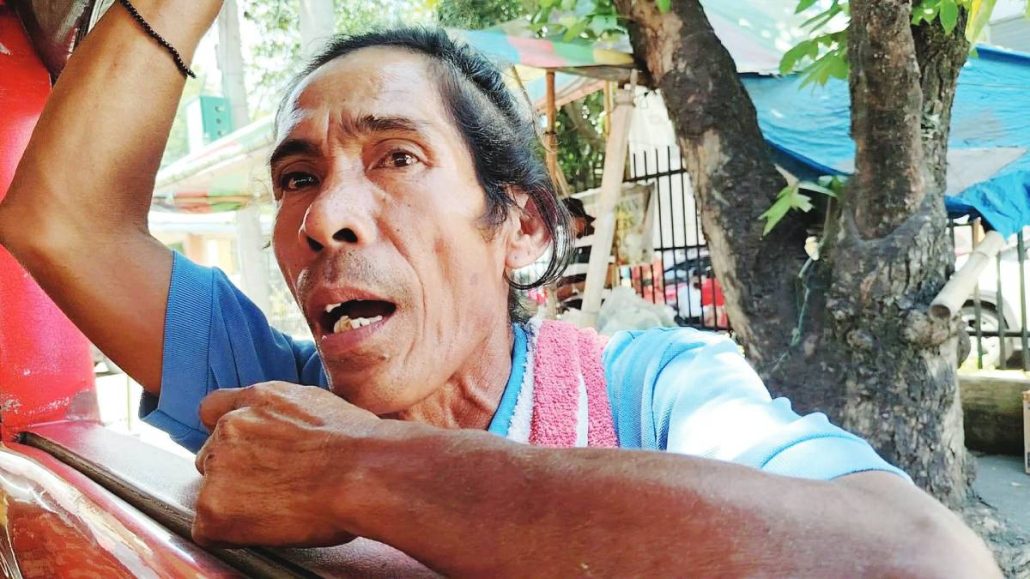
In Jaro, another driver — who asked to be identified only as Rey — captures the shared sentiment in the simplest terms.
“We feel like we are losing out while doing our best to provide for our families,” he said in Hiligaynon.
“Tama gid ka perwesyo sa amon nga driver. Mag tughong gasoline pila na daan ka libo. Tapos balik lang sa imo gamay nga porsyento…kami ang perdi. Kabudlay gid,” Rey said briefly.
Their frustration is not loud, but it is constant.
Day after day, trip after trip, Iloilo’s traditional jeepney drivers find themselves trapped in a cycle where the harder they work, the less they seem to earn. Fuel prices climb, fares remain fixed, and the burden quietly shifts onto those behind the wheel.
Still, they drive. Because for them, stopping is a risk they cannot afford.
And so the engines keep running, even as the margins disappear — each journey a demonstration of resilience, but to the cost of endurance in an economy that offers little room to breathe./PN