


URBAN areas have long been magnets for healthcare professionals, and dentists are no exception.
This is not just in the Philippines. In many countries, dental practices are heavily concentrated in cities rather than rural or remote regions.
This pattern is not accidental; it is shaped by a combination of economic, professional, social, and personal factors that make urban settings especially appealing to dentists.
One of the strongest reasons dentists gravitate toward cities is economic opportunity. Urban areas have higher population densities, which translates into a larger and more diverse patient base.
With more people living and working nearby, dentists can more easily build a steady flow of patients, maintain full appointment schedules, and offer a wider range of services.
Cities also tend to have higher average incomes and better insurance coverage, increasing patients’ ability to pay for both essential and elective dental procedures such as cosmetic dentistry, orthodontics, and implants.
This financial stability makes urban practices less risky and more profitable.
Professional growth is another major draw. Urban centers often host dental schools, teaching hospitals, research institutions, and professional associations.
Dentists practicing in these environments have greater access to continuing education, advanced training, and the latest technologies. They are also more likely to collaborate with specialists such as oral surgeons, orthodontists, and periodontists, which can improve patient outcomes and enhance professional satisfaction.
For new graduates in particular, cities provide mentorship opportunities and exposure to complex cases that help build skills and confidence early in their careers.
Infrastructure and resources further reinforce urban appeal. Cities generally have better-equipped clinics, reliable supply chains for dental materials, and access to advanced diagnostic and treatment technologies.
Efficient transportation systems make it easier for both dentists and patients to travel to appointments, while proximity to dental laboratories reduces turnaround times for crowns, dentures, and other appliances. These practical advantages simplify daily operations and allow dentists to focus more on patient care.
Lifestyle considerations also play a significant role. Urban areas offer cultural attractions, educational opportunities, employment options for spouses or partners, and a wide range of schools and childcare facilities.
Dentists, like other professionals, often consider quality of life when choosing where to live and work. Cities provide social networks, entertainment, and professional communities that can be harder to find in rural settings.
For younger dentists especially, urban life may align more closely with personal preferences and long-term goals.
Finally, perceived challenges in rural practice can deter dentists from relocating outside cities. Rural areas may involve professional isolation, fewer patients, limited resources, and lower incomes.
While rural dentistry can be deeply rewarding, the lack of support systems and infrastructure can make it a less attractive option for many practitioners.
Urban areas attract most dentists because they offer economic security, professional development opportunities, strong infrastructure, and desirable lifestyles.
Addressing the imbalance between urban and rural dental care will require targeted incentives, improved support systems, and policies that make rural practice both viable and appealing.
***
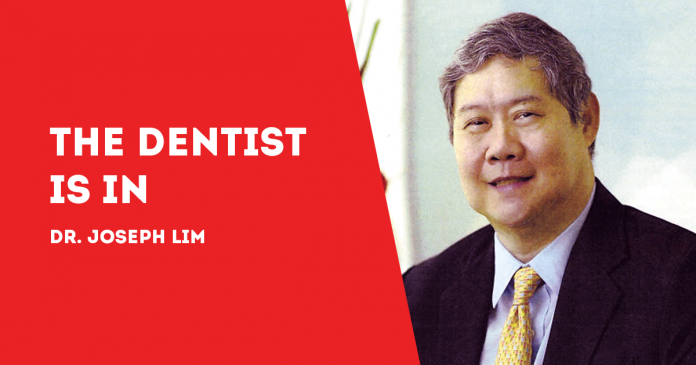
Dr. Joseph D. Lim, Ed. D., is the former Associate Dean of the College of Dentistry, University of the East; former Dean, College of Dentistry, National University; Past President and Honorary Fellow of the Asian Oral Implant Academy; Honorary Fellow of the Japan College of Oral Implantologists; Honorary Life Member of the Thai Association of Dental Implantology; and Founding Chairman of the Philippine College of Oral Implantologists. For questions on dental health, e-mail jdlim2008@gmail.com or text 0917-8591515.
***
Dr. Kenneth Lester Lim, BS-MMG, DDM, MSc-OI, graduated Doctor of Dental Medicine, University of the Philippines, College of Dentistry, Manila, 2011; Bachelor of Science in Marketing Management, De la Salle University, Manila, 2002; and Master of Science (MSc.) in Oral Implantology, Goethe University, Frankfurt, Germany, 2019. He is an Associate Professor; Fellow, International Congress of Oral Implantologists; and Fellow, Philippine College of Oral Implantologists. For questions on dental health, e-mail limdentalcenter@gmail.com. /PN