



FOR GENERATIONS, dental care largely meant fixing problems — drilling cavities, extracting damaged teeth, and relieving pain.
That’s changing: a quiet revolution is underway. Preventive dentistry is reshaping how professionals approach oral health.
Rather than waiting for decay to develop, dentists now emphasize stopping disease before it starts. This proactive strategy not only reduces suffering but also lowers long-term healthcare costs.
Fluoride remains one of the most powerful preventive tools. It strengthens tooth enamel, making it more resistant to acid attacks from bacteria and sugary foods. Fluoride varnish applications in schools have been shown to significantly reduce cavities among children.
Dental sealants offer another layer of protection. These thin coatings are applied to the chewing surfaces of molars, where food particles easily become trapped. Sealants can prevent up to 80 percent of cavities in back teeth.
Technology is advancing prevention. Digital X-rays use lower radiation doses while detecting problems earlier. Intraoral cameras allow dentists to show patients areas of concern in real time, encouraging better hygiene practices.
Public awareness campaigns are reinforcing the importance of daily care. Dentists recommend brushing for two minutes, twice daily, using fluoride toothpaste. Flossing once a day removes plaque between teeth — areas toothbrush bristles cannot reach.
Diet plays a crucial role. Frequent consumption of sugary drinks and snacks fuels bacteria that produce enamel-eroding acids. Experts advise limiting sugary treats and choosing water over soda.
Preventive dentistry extends beyond clinics. School-based programs and community outreach initiatives are targeting underserved populations. In some provinces, mobile dental units provide free cleanings and education in remote villages.
The financial case for prevention is compelling. Treating advanced decay, performing root canals, or replacing missing teeth with implants can cost thousands of pesos. Preventive care, by contrast, is relatively inexpensive.
Parents play a vital role. Pediatric dentists advise scheduling a child’s first dental visit by their first birthday. Early visits build familiarity and reduce dental anxiety later in life.
The shift toward prevention reflects a broader healthcare trend: prioritizing wellness over crisis management. Dentists hope this mindset will reduce the global burden of oral disease.
Prevention is always better than cure. The tools are simple, the science is clear, and the benefits extend far beyond a bright smile.
In the evolving world of dentistry, the future is not about repairing damage — it is about protecting health before problems arise.
***
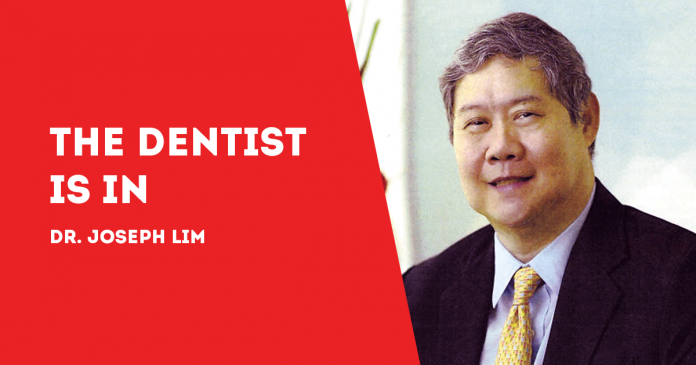
Dr. Joseph D. Lim, Ed. D., is the former Associate Dean of the College of Dentistry, University of the East; former Dean, College of Dentistry, National University; Past President and Honorary Fellow of the Asian Oral Implant Academy; Honorary Fellow of the Japan College of Oral Implantologists; Honorary Life Member of the Thai Association of Dental Implantology; and Founding Chairman of the Philippine College of Oral Implantologists. For questions on dental health, e-mail jdlim2008@gmail.com or text 0917-8591515.
***
Dr. Kenneth Lester Lim, BS-MMG, DDM, MSc-OI, graduated Doctor of Dental Medicine, University of the Philippines, College of Dentistry, Manila, 2011; Bachelor of Science in Marketing Management, De la Salle University, Manila, 2002; and Master of Science (MSc.) in Oral Implantology, Goethe University, Frankfurt, Germany, 2019. He is an Associate Professor; Fellow, International Congress of Oral Implantologists; and Fellow, Philippine College of Oral Implantologists. For questions on dental health, e-mail limdentalcenter@gmail.com./PN