


ILOILO — The Iloilo Provincial Health Office has intensified its public health awareness campaign against hantavirus amid growing global concern over the deadly rodent-borne disease, warning Ilonggos to maintain strict cleanliness and rat control measures even as the Philippines remains free of confirmed cases.
Dr. Maria Socorro Colmenares-Quiñon said the virus, though not yet recorded anywhere in the country, poses a serious threat because of its high fatality rate and its ability to spread through exposure to infected rodents.
“Hantavirus is a silent but deadly virus,” Quiñon warned, as she urged the public not to be complacent despite the absence of local infections.
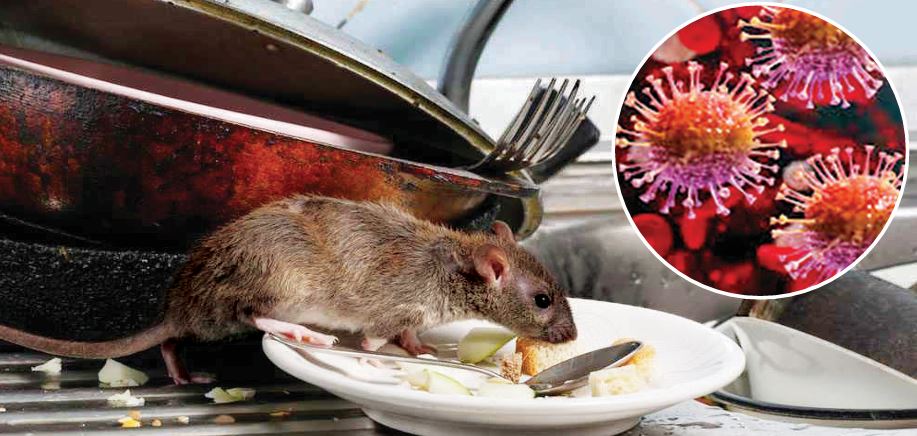
She explained that people may contract the virus through contact with contaminated rat urine, feces, saliva, or through bites and scratches from infected rodents.
According to Quiñon, symptoms may appear one to eight weeks after exposure and include fever, body pain, headache, cough, weakness, and difficulty breathing.
“Paro malikawan ini, siguraduhon nga limpyo ang inyo balay kag palibot. Pangtakpan ang mga buho nga posible masudlan sang ilaga, kag maghaboy sang basura sa husto nga lugar,” said Quiñon.
She also advised the public to properly store food and kitchen utensils to prevent contamination by rats.
Health officials further recommended the use of gloves and face masks when cleaning areas frequently infested by rodents.
“I-disinfect gid anay maayo ang lugar antes magpangtinlu. Kag after gid, manghinaw sang kamot ukon maligo,” Quiñon added.
“Hintavirus is rare but often cause severe infection. Kun makabatyag ka sang mga sintomas, magkadto gilayon sa pinakamalapit nga health center para magpa-check up,” said Quiñon.
The IPHO chief reiterated that maintaining cleanliness inside and outside homes remains the most effective protection against the disease.
Meanwhile, Department of Health secretary Dr. Teodoro Herbosa said the Philippines has never recorded a hantavirus case and emphasized that the disease does not spread as easily as COVID-19.
He added that the Andes variant circulating in South America may spread through very close human contact, unlike other strains that mainly require direct rodent exposure.
The Health Secretary also warned that hantavirus carries a high mortality rate of around 30 to 50 percent and primarily attacks the lungs, causing severe pneumonia and respiratory complications.
“There is currently no specific antiviral treatment or vaccine for hantavirus,” Herbosa said, adding that quarantine may be necessary because the virus can incubate for up to 45 days.
Despite the threat, the Department of Health is not recommending mandatory hantavirus screening for overseas Filipino workers because the disease remains rare and non-endemic in the Philippines./PN