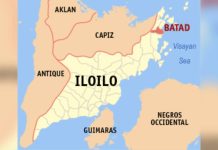



ILOILO City – Rice farmers in Western Visayas have been urged to closely monitor their fields in the coming months.
The Department of Agriculture’s Regional Crop Protection Center (RCPC) identified several pests and diseases that could threaten palay crops during the third quarter of 2026.
In an advisory released ahead of the July-to-September cropping period, the RCPC said historical monitoring data point to the possible occurrence of bacterial leaf blight, brown planthopper, brown spot, leaf folder and rice stemborer across various parts of the region.
The agency reminded farmers that timely field inspection and proper crop management remain the best defense against infestations and disease outbreaks.
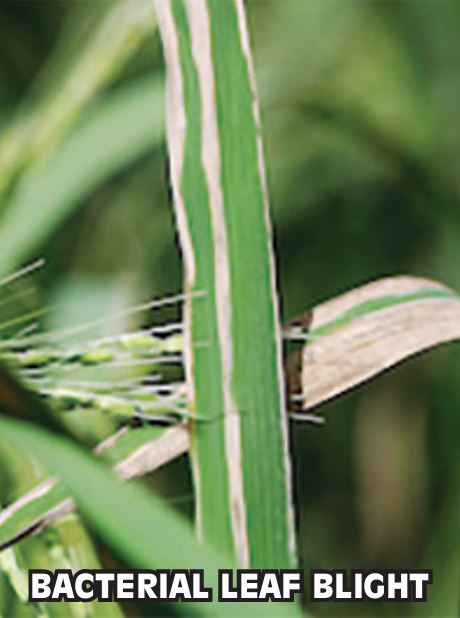
Among the major concerns is bacterial leaf blight, which may affect rice fields in Aklan, Antique, Capiz, Guimaras and Iloilo, particularly while crops are in the booting to dough stage. The disease is more likely to develop in susceptible rice varieties, densely planted fields and farms with excessive nitrogen application, especially after dry spells followed by heavy rainfall.
To lessen the risk, the RCPC advised farmers to improve field drainage, conduct regular crop monitoring, plant simultaneously within communities, avoid excessive fertilizer use and dispose of infected crop residues after harvest.
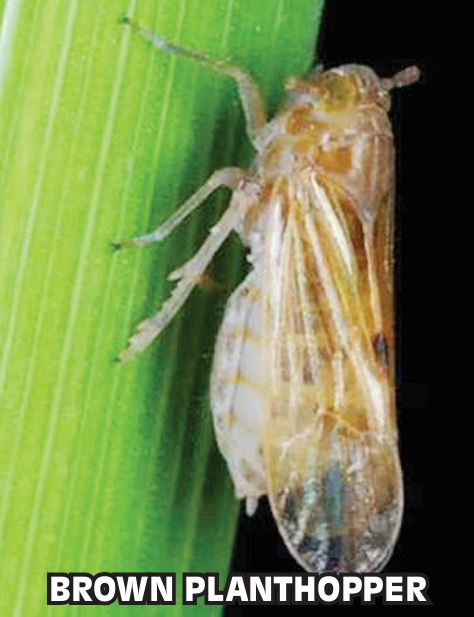
The advisory also highlighted the possibility of brown planthopper infestations in Aklan, Antique, Capiz and Iloilo from the seedling stage until grain development. Hot, humid weather and the repeated use of the same insecticides can contribute to population build-up, it said.
Farmers were encouraged to grow resistant rice varieties, reduce unnecessary nitrogen fertilizer application, use intermittent irrigation, apply biological control agents when available and use insecticides only when needed.
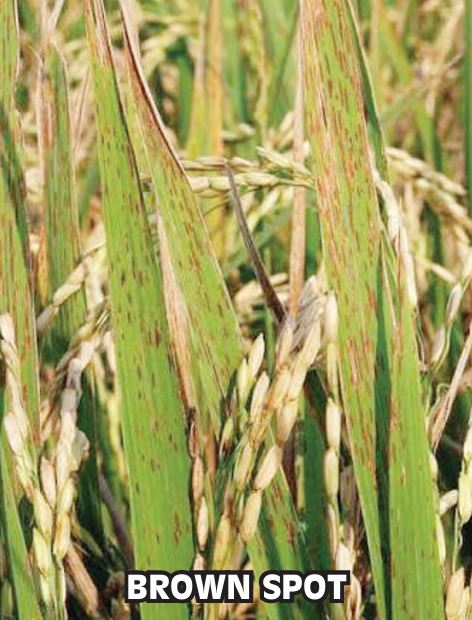
Brown spot disease was likewise listed as a potential threat in Antique, Capiz and Iloilo. The disease is commonly associated with poor soil fertility, inadequate water, infected seeds and direct-seeded rice production systems.
The crop protection center recommended improving soil nutrition, maintaining field cleanliness, ensuring adequate irrigation, using certified disease-free seeds and applying appropriate fungicides if warranted.
Another pest expected during the third quarter is the leaf folder, which may occur in Aklan, Antique, Capiz, Guimaras and Iloilo during the maximum tillering to milk stage. Fields with excessive nitrogen fertilizer, delayed planting schedules and shaded conditions are considered more vulnerable.
The RCPC advised farmers to remove weeds, avoid overapplication of fertilizer, synchronize planting schedules and conserve beneficial insects that naturally suppress pest populations.
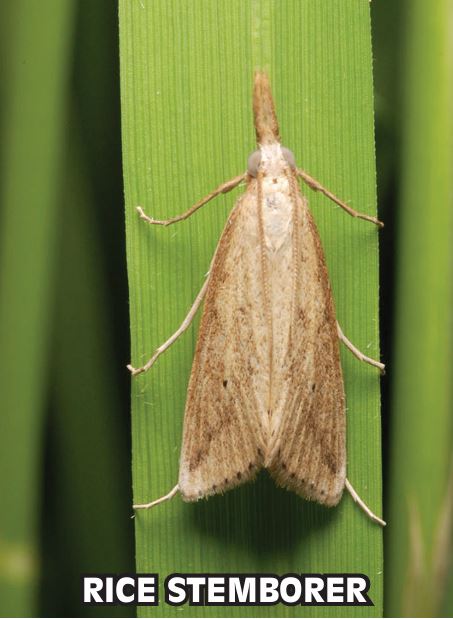
Rice stemborer also remains a concern in the five provinces. The insect can damage rice plants from the early tillering stage until grain formation, causing “deadhearts” during vegetative growth and “whiteheads” once the crop reaches the reproductive stage.
The advisory noted that significant populations of striped stemborer have already been detected through field monitoring and egg mass collection in the municipalities of Pototan and Dingle in Iloilo.
To prevent serious crop losses, the agency recommended regular field surveillance, destruction of egg masses, field sanitation, synchronized planting, planting resistant varieties and the release of beneficial parasitoids such as Trichogramma japonicum.
The RCPC encouraged rice farmers to immediately report unusual pest or disease infestations to agricultural technicians so that control measures can be implemented before the problems spread to neighboring farms./PN