

ILOILO City – Minors caught with illegal drugs in schools must undergo rehabilitation and counseling instead of being allowed to return to their communities after merely posting bail, the Police Regional Office 6 (PRO-6) chief said.
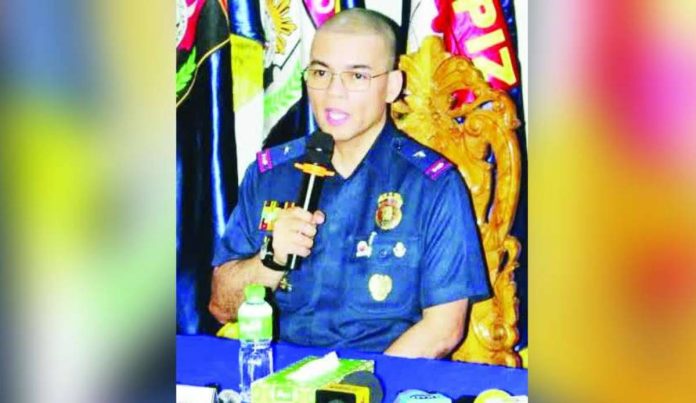
PRO-6 director Brigadier General Randulf Tuaño issued the call after three students, aged 15 and 16, were arrested for possessing marijuana inside their respective schools in Iloilo City.
The minors were charged with violating Republic Act 9165, or the Comprehensive Dangerous Drugs Act of 2002, but were able to secure temporary liberty after posting bail.
Tuaño said the filing of criminal charges was proper but should have been accompanied by the referral of the students to the Balay Dalayunan halfway house for boys in conflict with the law or other accredited intervention facilities for rehabilitation, counseling and other necessary services.
“I am not satisfied that the case simply ended with the filing of charges and the posting of bail. These are minors who need intervention. They should be guided and rehabilitated to prevent them from becoming repeat offenders,” Tuaño said.
He stressed that authorities must uphold a child-sensitive justice system that balances accountability with rehabilitation, particularly in cases involving children in conflict with the law.
“Arresting them and filing cases are only part of the process. Equally important is ensuring they receive the intervention and rehabilitation mandated under our laws protecting children,” he added.
Tuaño directed the Iloilo City Police Office to review other legal and administrative measures that could still be pursued while ensuring full compliance with the Juvenile Justice and Welfare Act.
The review will determine whether additional intervention mechanisms may still be applied despite the filing of charges without violating existing legal procedures.
PRO-6 will also strengthen coordination with the Department of Education Region 6 to reinforce anti-illegal drug programs in schools.
Tuaño said police would work more closely with school principals, teachers and other personnel to immediately identify students considered “red flags” or those showing signs of involvement in illegal drugs and other risky behavior.
“Our goal is not only to enforce the law but to prevent our children from falling deeper into illegal drug activities. Early detection and intervention are crucial, and schools play a vital role in protecting our youth,” Tuaño said.
PRO-6 is also intensifying intelligence-driven operations amid reports that some drug personalities are exploiting minors to carry out illegal drug activities.
Tuaño said the possible use of children by drug syndicates has long been part of the region’s intelligence monitoring. Police are coordinating closely with local governments and barangay officials to protect children from exploitation.
He also cited Interior and Local Government Secretary Jonvic Remulla’s earlier statement that age alone should not determine accountability. A minor’s discernment, or ability to understand the consequences of an action, must also be considered.
Tuaño said lawmakers are discussing possible amendments to the Juvenile Justice and Welfare Act to address emerging concerns involving minors and criminal liability.
Despite these discussions, he maintained that intervention, rehabilitation and community support remain indispensable in addressing the involvement of minors in illegal drugs while protecting public safety./PN