

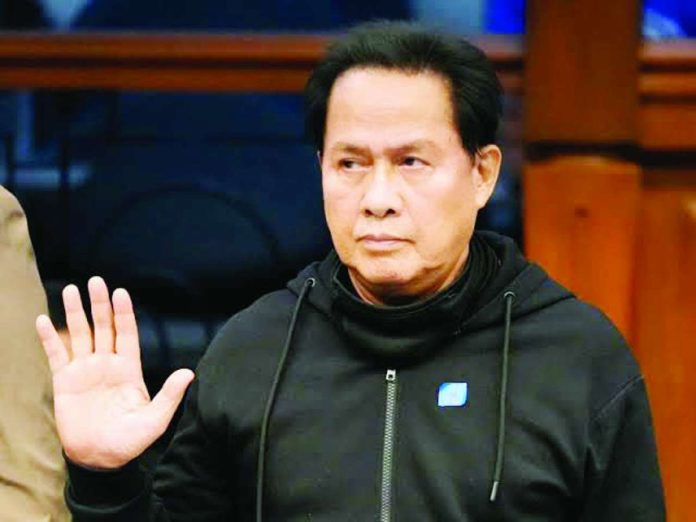
MANILA — The Department of Justice (DOJ) is set to determine the next course of action on the United States government’s request to extradite detained Kingdom of Jesus Christ founder Apollo Quiboloy after the Department of Foreign Affairs (DFA) formally endorsed the request, Malacañang said Friday.
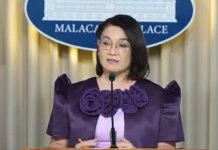
Palace Press Officer Claire Castro said the extradition process is now in the hands of the DOJ after the DFA confirmed it had received the formal request from US authorities and would transmit it to the agency for appropriate action.
“Sabi nga po ni Ambassador Babes Romualdez at pagkakaalam niya at nabanggit niya na rin, before meron na dating request pero hindi lang yata pumasok sa tamang proseso kaya hindi nagawan ng action,” Castro said in an interview with DZMM.
“Ngayon, according to DFA, natanggap na nila at isa-submit nila o ibibigay na nila ito sa DOJ. Sa ngayon, hindi pa po natin alam ang pinaka-update,” she said. “Pero definitely from DFA ‘yan, dadalhin po ‘yan sa DOJ.”
Castro said it would be up to the DOJ to determine how Quiboloy’s pending criminal cases in Philippine courts would affect the extradition proceedings.
The DFA on Thursday confirmed it had received the United States’ formal extradition request and had endorsed it to the DOJ in accordance with established procedures.
Quiboloy, 76, is wanted in the United States on charges that include child sex trafficking, fraud, and money laundering. He was indicted by a US federal grand jury in 2021 and was later placed on the Federal Bureau of Investigation’s Most Wanted list.
He is currently detained at the Pasig City Jail while facing separate criminal cases in the Philippines involving alleged sexual abuse, child abuse, and human trafficking. The cases remain pending before regional trial courts in Pasig and Quezon City.
Earlier, Quiboloy’s lawyer, Ferdinand Topacio, argued that extraditing his client at this stage would be “extremely unfeasible” because the pastor remains under the jurisdiction of Philippine courts due to his pending local cases.
The Philippines and the United States are bound by a 1994 extradition treaty, with all extradition requests subject to Philippine laws and court proceedings before any surrender can be carried out./PN