



[av_one_full first min_height=” vertical_alignment=” space=” custom_margin=” margin=’0px’ padding=’0px’ border=” border_color=” radius=’0px’ background_color=” src=” background_position=’top left’ background_repeat=’no-repeat’ animation=”]
[av_heading tag=’h3′ padding=’10’ heading=’EDITORIAL | ‘Unli’’ color=” style=’blockquote modern-quote’ custom_font=” size=” subheading_active=’subheading_below’ subheading_size=’15’ custom_class=”][/av_heading]
[av_textblock size=” font_color=” color=”]
Sunday, June 25, 2017
[/av_textblock]
[av_textblock size=” font_color=” color=”]
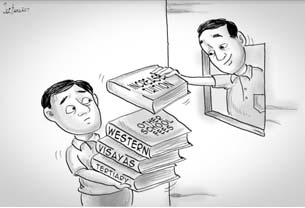
THE proposal to ban unlimited rice offerings in restaurants has gone viral – and so are the condemnations that followed. This is a rice-consuming country, after all.
Come to think of it: Unli-rice or not, what needs to be banned is the unli-exploitation of agricultural lands. A backward agricultural system, with the ownership of a few ruling landlords and their interests in its core, as well as an orientation towards export and a heavy dependence on rice import, is the real plague behind the food shortage.
It is ironic that as an agricultural country, we export more rice and other food that we produce than we import. Worse, agreements such as the Regional Comprehensive Economic Partnership are poised to further increase rice imports and threaten the livelihoods of our peasants and our food security.
Such an export-oriented and import-dependent economy also contributes to the high prices of other commodities such as vegetables, which is usually bought imported in markets rather than self-produced. Policies such as unregulated land use conversion from agricultural to residential and commercial uses also contribute to the lessening and killing of arable lands for food production. The result is food insufficiency and hunger. Now that’s unli-stupidity.
It must be stated, however, that hunger is not determined by food production alone. It is also determined by food availability and affordability. Although the prices of food like rice and vegetables are very low and affordable in the farmgate, these must be transported to the market. Before it reaches the retail level, the prices have jacked up. Why is that? That’s because of the unli-greed of traders seeking more profits. They’re the ones effecting the tremendous increase of prices from farmgate to the retail level. Those in the retail level, which are the consumers, are the most affected. They are food-deprived due to the prohibitive cost.
The government should examine what happens from the time food is actually produced at the farmgate to the time it reaches the consumers in the retail market. If it is sincere in stopping the food importation and developing rice sufficiency and self-reliance, it should promote an agricultural and economic system that addresses hunger and puts the people first.
[/av_textblock]
[/av_one_full]