


[av_one_full first min_height=” vertical_alignment=” space=” custom_margin=” margin=’0px’ padding=’0px’ border=” border_color=” radius=’0px’ background_color=” src=” background_position=’top left’ background_repeat=’no-repeat’ animation=”]
[av_heading heading=’DA: ‘WV rice sufficient but…’’ tag=’h3′ style=’blockquote modern-quote’ size=’30’ subheading_active=’subheading_below’ subheading_size=’18’ padding=’10’ color=” custom_font=” av-medium-font-size-title=” av-small-font-size-title=” av-mini-font-size-title=” av-medium-font-size=” av-small-font-size=” av-mini-font-size=” admin_preview_bg=”][/av_heading]
[av_textblock size=” font_color=” color=” av-medium-font-size=” av-small-font-size=” av-mini-font-size=” admin_preview_bg=”]
Friday, March 2, 2018
[/av_textblock]
[av_textblock size=’18’ font_color=” color=” av-medium-font-size=” av-small-font-size=” av-mini-font-size=” admin_preview_bg=”]
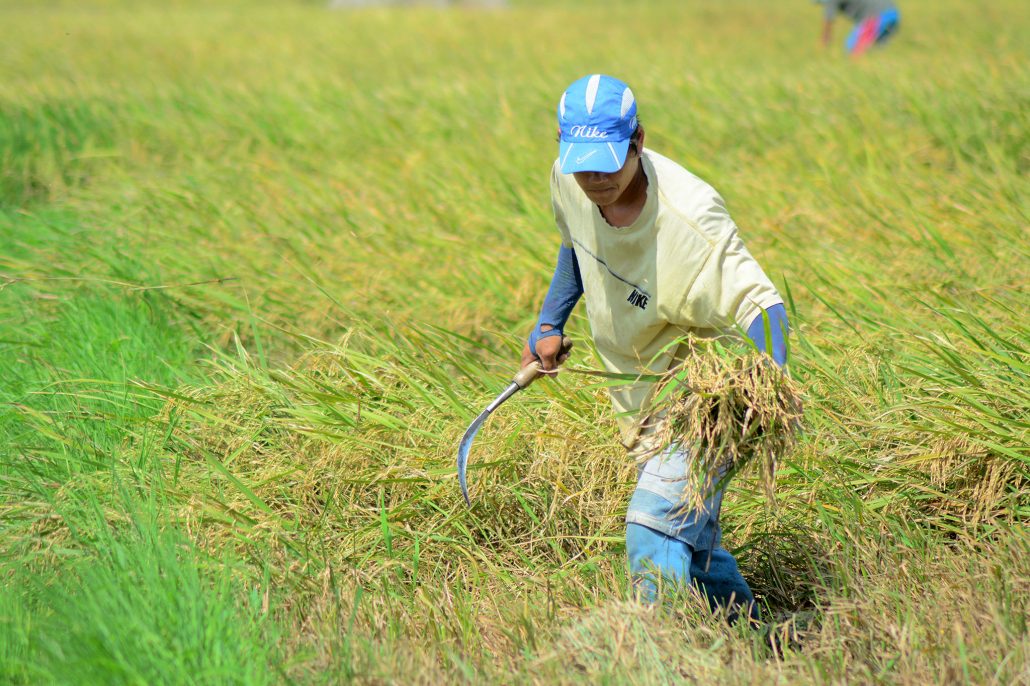
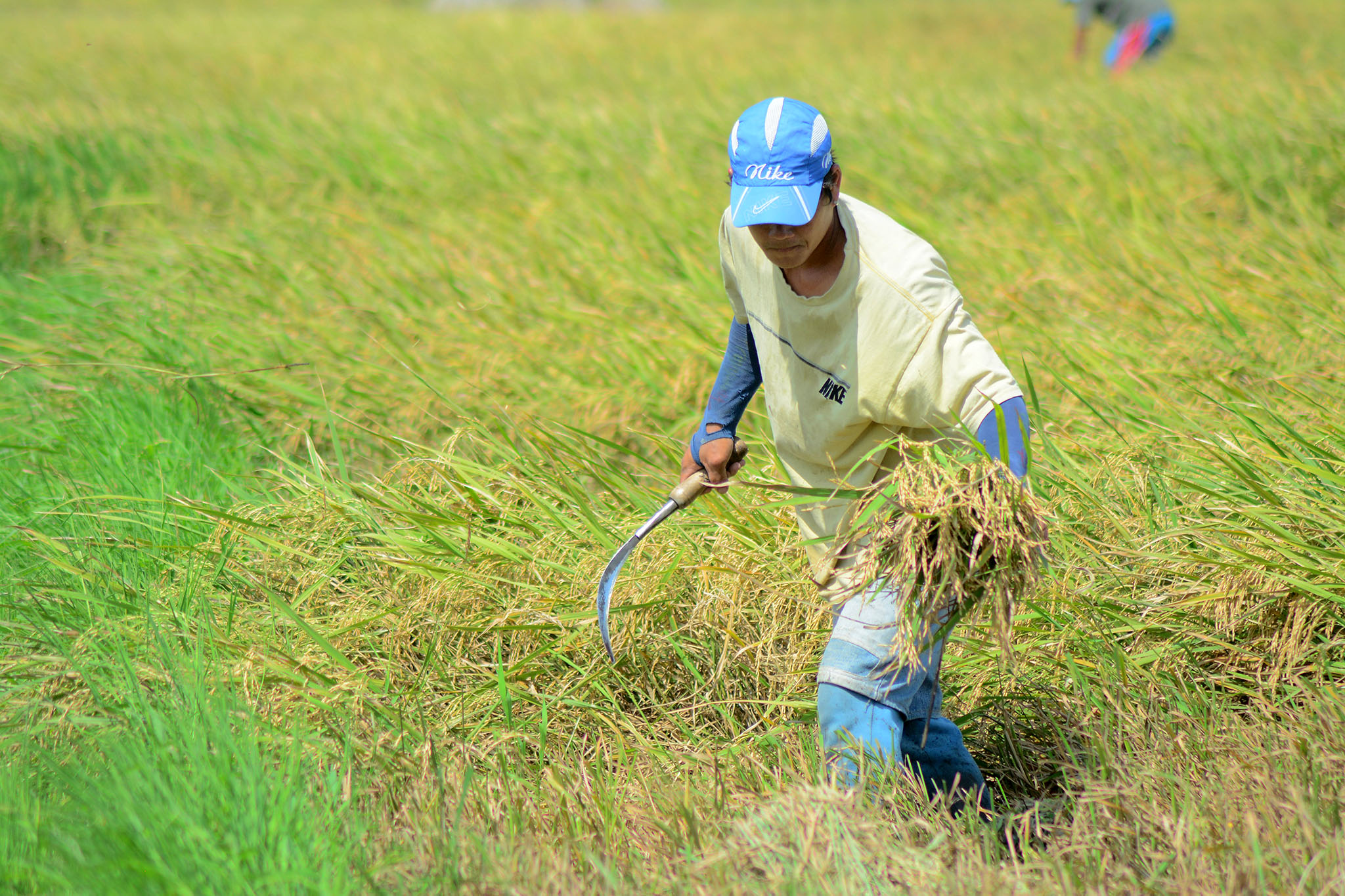
ILOILO City – Western Visayas has a sufficient supply of rice, according to the Department of Agriculture.
All provinces in the region are 100-percent rice sufficient except Negros Occidental and Aklan, which posted around 90 percent, said the DA.
Overall Western Visayas is “109-percent” rice sufficient, Regional Executive Director Remelyn Recoter said. It contributes 12 to 13 percent of the country’s production and has produced 2.2 million metric tons last year, she revealed.
But being “sufficient” does not mean there would be adequate supply all throughout the year, Recoter said, noting that some of the region’s produce are exported to Mindoro and Cebu.
According to the DA, some of the ways to ensure high harvest and less wastage are mechanization and the use of hybrid rice varieties.
Just last week DA secretary Emmanuel Piñol turned over some P75.6 million worth of machinery and equipment to farmers’ associations in Aklan, Iloilo and Capiz.
The equipment were bought using funds for the Yolanda Rehabilitation and Reconstruction Program, whose thrusts include encouraging more farmers to mechanize and lessen farm losses.
Farmers could get in touch with municipal or provincial agriculture offices to learn more about programs and projects beneficial to them, Recoter said.
The DA gives agriculture technicians in every town P3,000 a month as incentive for them to assist farmers, she said.
It is the local government unit that is supposed to provide the incentive but fourth- to sixth-class towns do not have enough funds, she added. (PNA)
[/av_textblock]
[/av_one_full]