


ILOILO City – Iloilo province attaining Grade 1 (G1) or zero open defecation (ZOD) status – the first in Western Visayas – is proof that such is achievable.
“Despite the obstacles and hardships, pwede gali. It is achievable if all sectors work towards this goal,” said Dr. Sofia Pulmones, OIC-assistant regional director of the Department of Health (DOH) Region 6.
ZOD can help curb food and water-borne diseases, she stressed.
Iloilo was able to achieve ZOD status ahead of the 2025 target. In August this year, all its 1,721 barangays were certified as ZOD villages.
Under DOH guidelines, G1 or ZOD status is achieved when all households in the community have stopped practicing open defecation everywhere, have access to safe sanitary toilets, and human feces are no longer openly visible to the environment.
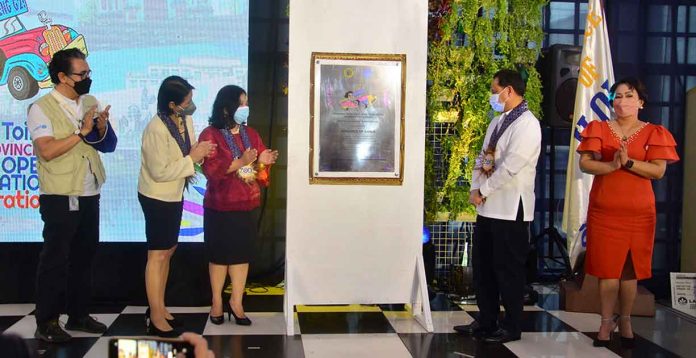
Yesterday, Nov. 18, Iloilo was officially declared as the first province in Western Visayas to achieve ZOD or Grade 1 status. It was timed with the celebration of World Toilet Day by the United Nations International Children’s Emergency Fund (UNICEF) and the Iloilo Provincial Health Office (IPHO).
At Casa Real social hall, all 43 local government units in Iloilo were also given plaques of recognition and cash incentive of P20,000 each for the successful implementation of the ZOD campaign in their respective areas.
According to Pulmones, other areas in the region are also nearing ZOD status, such as Capiz.
“Hopefully, they can achieve the status next year. We encourage the rest of the provinces in the region as well as the two highly-urbanized cities (Iloilo and Bacolod) to also target ZOD status,” added Pulmones.
Meanwhile, Water, Sanitation and Hygiene (WASH) UNICEF Philippines chief Carlos Vasquez lauded the leadership of Gov. Arthur Defensor Jr.
“This month the world reached eight billion people and about 45 percent of the total world population do not have access to proper sanitation. But Iloilo has a hundred percent coverage, so that’s something to be celebrated,” said Vasquez.
It was Vasquez, along with Dr. Rosalyn Bianzon of the DOH Health Promotion Bureau and Pulmones, who gave Defensor a plaque for Iloilo’s ZOD achievement.
They also joined Defensor, together with IPHO chief, Dr. Maria Socorro Colmenares-Quiñon, in unveiling the Iloilo Province ZOD Seal.
Defensor said the next goal is to reach Grade 2 status and eventually attain Sustainable Sanitation (Grade 3).
G2 or Basic Sanitation level is achieved when there is already 100 percent use of sanitary toilets or each household is using its own toilet.
There must be also 100 percent availability of water and soap at or nearby toilets; safe disposal of children’s and elderly person’s excreta; all schools have at least one sanitary toilet for girls and one sanitary toilet for boys; and all government institutions have at least one sanitary toilet.
To reach G3, on the other hand, there should be solid waste management system in place covering 100 percent of households and septage management plan services accessible to all households.
There should also be safe management of animal excreta, water quality management plan (water quality testing, water sources/points protection), comprehensive WASH plan to sustain WASH services and reinforce positive WASH behaviors.
“There’s still a lot more work ahead for us. To reach G2 by 2028, it requires ensuring toilets and hand washing facilities are available anywhere – schools, health centers, day care centers and other public places. At the minimum, we would need at least P167 million to subsidize the cost of building toilets, and we can only achieve this with the continued support of our local chief executives and development partners,” said Defensor./PN

