


SAN JOSE, Antique – A coalition of civil society groups, including environmental advocates, local organizations, church groups, and academic institutions, has expressed concern over the Mines and Geosciences Bureau’s (MGB) proposal to declare 3,715 hectares in the municipalities of Patnongon, San Remigio, Sibalom, and Valderrama in Antique province as a mineral reservation.
While the proposal does not immediately authorize mining, it paves the way for potential large-scale extraction of copper, gold, chromite, and silver, threatening Antique’s environmental integrity, community well-being, and sustainable development goals, according to the AMLIG Antique Alliance.
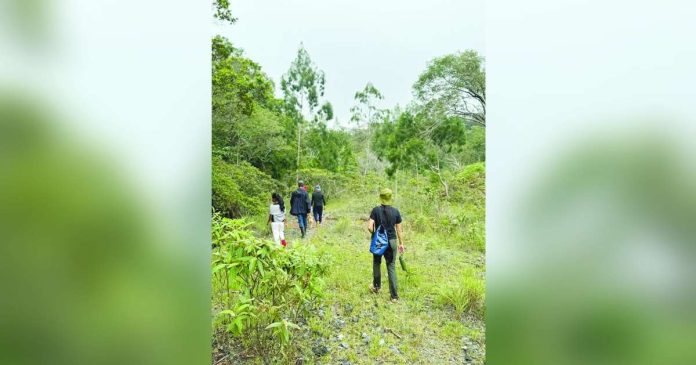
The proposed mineral reservation encompasses critical ecosystems, including the Patnongon and Sibalom River Watershed, which supply drinking water to multiple municipalities and supports Antique’s agricultural heartland.
According to AMLIG, mining operations could degrade water quality, disrupt water flow, and jeopardize farming livelihoods, posing a direct threat to local food security and economic stability.
The area is also highly vulnerable to natural disasters, with a history of landslides and flash floods exacerbated by typhoons such as “Paeng” and “Frank”, it added, thus mining activities could further destabilize soil structure and slopes, increase soil erosion, and amplify calamity risks for downstream communities.
Nothing less than the MGB itself has classified this mountain area of Antique as geo-hazard, AMLIG pointed out the irony.
The proposal also contradicts Antique’s vision for sustainable development, particularly its growing ecotourism industry, the group added.
Mining threatens the region’s biodiversity, scenic landscapes, and natural heritage, undermining long-term economic opportunities that prioritize ecological balance, it warned in a statement.
Of particular concern to the alliance are the health and livelihood risks associated with mining. The use of toxic chemicals such as cyanide, mercury, and sulfuric acid poses severe health hazards, including acute poisoning, neurological disorders, and the destruction of aquatic ecosystems through acid mine drainage, it warned.
Historical evidence shows that mining often provides minimal economic benefits while leaving communities to bear the brunt of environmental degradation and health costs, AMLIG stressed.
The MGB’s public hearing on November 26, 2024, in San Remigio has also drawn criticism for its limited participation, lack of comprehensive stakeholder representation, and apparent bias toward promoting mining benefits. Most affected communities were notably excluded from the consultation process, raising questions about transparency and accountability, according to AMLIG.
Mining operations have historically led to forced community displacement, insufficient compensation, and even militarization and intimidation of local residents, it pointed out, citing a 2023 report ranking the Philippines among the most dangerous countries for environmental defenders, with numerous cases of violence and displacement linked to mining projects.
The environmental alliance urges the government to prioritize sustainable development strategies that protect local ecosystems and community rights. Key recommendations include:
* ensure local communities to have a voice in decision-making processes affecting their lands and resources
* support forest restoration initiatives and establishment of forest research centers to restore degraded lands, expand protected areas to conserve critical ecosystems, replenish watersheds, and conserve wildlife habitat
* promote eco-tourism and regenerative agricultural practices that reduce chemical use, conserve water, and soil fertility like the permaculture design system
“The proposed mineral reservation threatens not only Antique’s environmental harmony and the well-being of its communities but also challenges the sacred balance of creation. It calls us to reflect on our stewardship of the Earth, reminding us that true progress aligns with the principles of sustainability and the preservation of the divine gifts entrusted to us.” said Rev. Fr. Edione R. Febrero, Social Action Director of the San Jose Diocesan Social Action Center, and one of the leading figures in the AMLIG alliance.
“We have submitted a petition to the Department of Environment and Natural Resources – MGB opposing the proposal and have urged government leaders to support our cause,” announced Atty. Rolly O. Pedrina, a spokesperson for the alliance.
“The Provincial Development Council has already passed a resolution, and we anticipate the Provincial Board will do the same. The municipal governments of San Remigio and Patnongon have enacted a resolution and an ordinance, respectively, effectively blocking the proposal. We are still awaiting responses from other local officials. However, we fear that the President of the Philippines may proceed with declaring the mineral reservation area despite our opposition,” said Pedrina./PN