


MANILA — Senator-judges and lawyers in Vice President Sara Duterte-Carpio’s impeachment trial now face reprimands, fines and possible disciplinary action for publicly discussing the merits of the case as the Senate impeachment court moved to curb attempts to influence public opinion outside the proceedings.
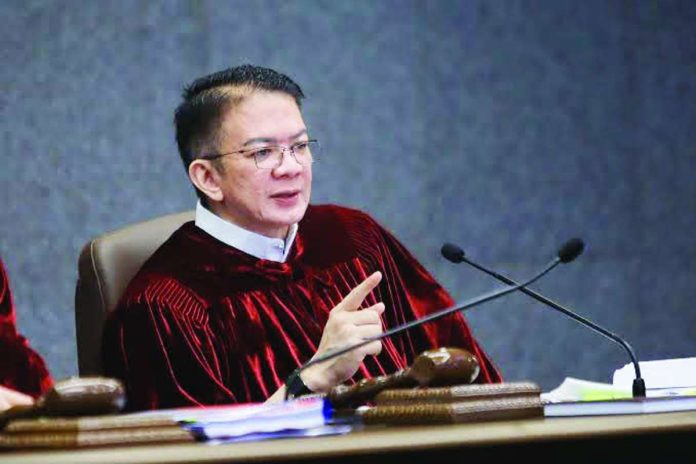
Presiding Officer Francis Escudero on Wednesday ordered stricter enforcement of Rule 18 of the Senate’s impeachment rules, warning that the tribunal would no longer tolerate public statements that could prejudge disputed issues or turn the trial into a battle for public opinion rather than evidence.
Under the directive, a first violation will result in a stern reprimand and public admonition during the proceedings, with the warning permanently entered into the trial record.
A second offense will carry a P30,000 fine.
Lawyers who violate the restriction could face even more serious consequences, with their cases potentially referred to the Office of the Bar Confidant, the Integrated Bar of the Philippines or the Supreme Court for possible disciplinary sanctions affecting their authority to practice law.
Rule 18 prohibits those directly involved in the impeachment proceedings — including senators, prosecutors, the respondent, lawyers and witnesses — from publicly commenting on the substance of the pending case.
Escudero said stricter enforcement is necessary to protect the integrity and credibility of the impeachment court while balancing this with the public’s right to information on a case of national importance.
He warned that public pronouncements on disputed allegations could exert outside pressure on the proceedings and encourage prejudgment before the impeachment court has completed its consideration of the evidence.
The presiding officer clarified that the stricter enforcement will be prospective, meaning statements and conduct made before the court’s Aug. 26 directive will not be covered by the new penalties.
“From this point forward, however, Rule 18 shall be strictly enforced and be given full force and effect,” Escudero said.
The restriction does not apply to designated official spokespersons of the prosecution and defense, who may continue issuing public statements on behalf of their respective sides.
Escudero, however, stressed that lawyers appearing before the impeachment court must argue their factual and legal positions inside the tribunal through evidence, sound legal arguments and appropriate language.
Counsel were cautioned against publicly presenting disputed allegations as established facts, attributing unproven wrongdoing to individuals, launching personal attacks against participants or making statements that could unnecessarily inflame the proceedings.
Escudero also warned that offensive or disrespectful behavior inside the impeachment court that disrupts proceedings could constitute direct contempt under the Senate’s impeachment rules.
The tighter restrictions came amid increasingly contentious exchanges between the prosecution and defense as the Senate continued hearing evidence and arguments in the impeachment case against Duterte-Carpio.
The impeachment court’s directive effectively draws a line between arguments presented before senator-judges and the parallel public debate surrounding the nationally watched proceedings, with the Senate insisting that the case ultimately be decided on evidence presented inside the chamber rather than statements made outside it./PN