



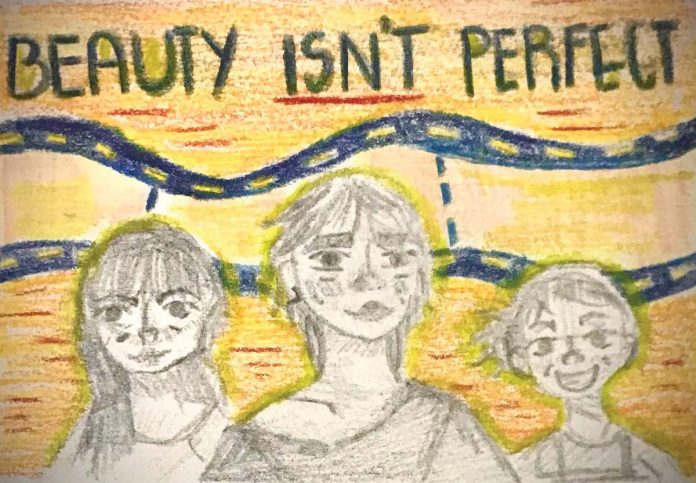
WITH a scroll of a thumb, a fast double tap, and a long stare towards screens that engrave pictures of tall, slender, and fair teenagers with high nose bridges, round, doe eyes, perfect skin, and sharp jawlines, something takes root in the adolescents on the other side of their phones — and it’s not pretty.
A Miracle Gone Bad
Young people, aged 10 to 19 years old, make up approximately 19.8 percent of the country’s population. They have a wide range of internet access across various different apps like TikTok, Instagram, and Facebook, among others. Scrolling through various videos rapidly became a habit for us teens, occasionally landing on “looksmaxxing content” or videos of fellow adolescents and young adults showcasing their features and giving tips on how to improve traits such as face shape, jawline, nose height, skin quality, hair, and body shape, to appear more attractive to others.
At first, this trend helped teens take care of themselves in terms of proper hygiene and self-care. However, this fell into a downward spiral of degrading normal occurrences such as having baby fat, wrinkles, acne, smile lines, and impurities that make us less desirable. Creators seemingly hand out “miraculous tips” and specific criteria on how to save one’s self from ugliness by doing things such as having an extensive workout routine consisting of push-ups, squats, planks, using gua sha, and eating an unbelievable amount of protein-rich food such as eggs and bananas to become more appealing — glorifying the fact that being attractive means being happy.
The Greatness Behind Impurities
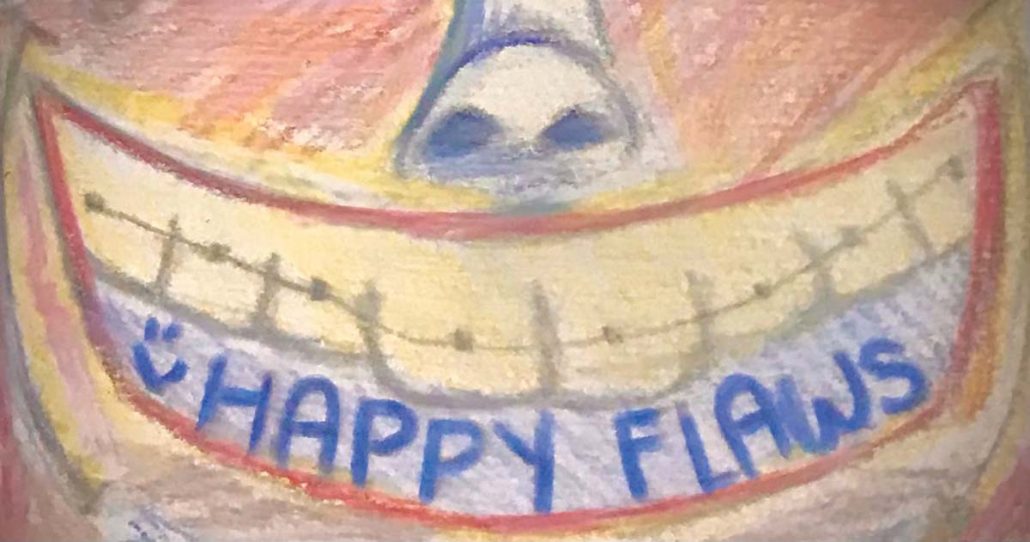
As the saying goes, “Too much of anything is bad.” And in this case, an unhealthy obsession with one’s looks leads to a sense of insecurity and doubt towards one’s potential and confidence. Following a specific set of rules to be prettier or more handsome erases the uniqueness of a person’s appearance and the color that they bring, because these “flaws” actually tell a story and paint a wonderful picture of people’s lives.
For instance, the natural low nose bridges of Filipino teens showcase the pure indigenous blood that runs in their family, a sign that they fought against the people who discriminated against our rights in history. A student’s dark circles and eye bags may be proof of their endless hard work as they carve notes about thermodynamics into their mind while serving tables at a local fast-food chain to support their tuition fees. Another teen’s smile lines show their victory against depression and anxiety, finally being able to laugh with no regrets. And, a 14-year-old’s pimples can mean that they have finally been able to eat handfuls of chocolate after an extensive, life or death operation. These impurities aren’t just flaws, they represent stories that express despair, beam of victory, showcase happiness, and spread love.
Why Looksmaxx When You Can Lifemaxx?
We are young, full of potential and life. Why waste our prime thinking about what makes us undesirable, when we can uplift ourselves and others into embracing what we currently have. Being attractive doesn’t always make us happy, but experiencing life to the fullest will. When we eventually grow older, outward beauty fades, and in the end, true beauty lies on the smile lines, dark circles, and so called imperfections that become symbols of different stories and memories that will never go away./PN