



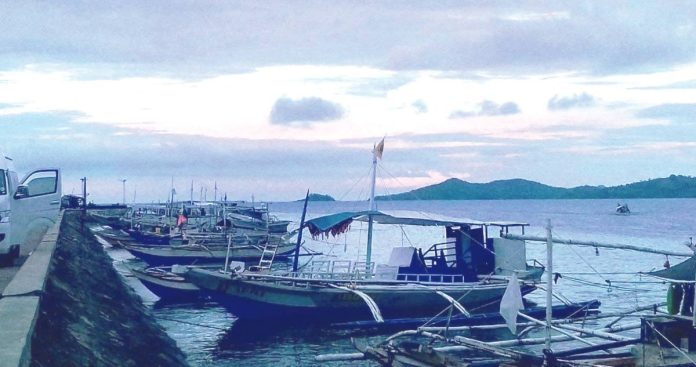
ILOILO City – The Philippine Drug Enforcement Agency (PDEA) is sounding the alarm over the region’s porous maritime borders, warning that Western Visayas’ vast and unguarded coastal waters have the potential to be entry points for illegal drugs.
Although no major maritime drug operations have yet been recorded in the region, PDEA Region 6 director Ralph Rommel Torres said the threat is “very real” as syndicates have already infiltrated coastal routes in Regions 1 and 3.
“It’s not far-fetched. Our waters are wide and open, and if we don’t act now, it might be too late,” Torres warned.
To prevent Western Visayas from becoming a transshipment hub, PDEA-6 has partnered with the Bureau of Fisheries and Aquatic Resources (BFAR) to boost surveillance and educate coastal communities about maritime-based drug trafficking.
Fishermen across the region recently participated in orientation sessions focused on identifying, reporting, and safely handling suspicious items found floating at sea — especially brick-like packages that could contain illegal substances.
“Our fisherfolk need to be properly briefed so they can recognize what illegal drugs look like, understand the penalties if they hide or attempt to sell such substances, and know what to do if they find them,” said Torres.
He noted that some individuals, unaware of the law, may unknowingly commit serious offenses.
“Others might come across packages floating at sea, take them home, and hide them without realizing they’re committing a serious offense. That’s why we’re teaching them how to properly surrender these items to authorities,” he added.
Western Visayas, he explained, remains geographically vulnerable due to its proximity to Negros and surrounding islands. While the region’s overall drug situation has improved following the administrative separation of Bacolod City and Negros Occidental from Region 6, the risk remains.
“The drug problem in Western Visayas is currently manageable. There has been a significant drop because Negros and Bacolod are no longer included in our jurisdiction. But that doesn’t mean we can relax. Bacolod is just across the water, and drugs could easily be transported here again,” Torres said.
He also cited the persistent threat posed by international syndicates from the “Golden Triangle” region in Southeast Asia — a notorious hub for narcotics production.
“The Philippines is one of the identified drug-consuming countries. That makes us a target. So we are strengthening inter-agency coordination and asking the public to be more vigilant. Every fisherman, every coastal resident, can be on the frontlines of this fight,” he stressed.
PDEA-6 will continue rolling out community seminars across coastal municipalities in partnership with BFAR, local governments, and law enforcement agencies to keep Western Visayas from becoming the next maritime corridor for illegal drugs./PN