


ILOILO City – Turning climate adversity into an opportunity for self-reliance, Iloilo City has completed 17 rainwater harvesting facilities — a proactive defense against rai-drenching La Niña and El Niño-induced droughts that could strain water supplies across the metropolis.
The P20-million initiative, funded through the city’s Disaster Risk Reduction and Management Fund, was developed following last year’s early drought warnings and the eventual declaration of a state of calamity in 2024.
“Our scientists have been warning us that we now experience shorter but very intense wet days and longer dry periods, so it’s crucial to capture whatever rainwater we can,” said City Disaster Risk Reduction and Management Office (CDRRMO) head Donna Magno. “That’s why one of the adaptive measures we introduced is rainwater harvesting. When the rain comes, we must be ready to collect and store it for the months when we won’t have enough.”
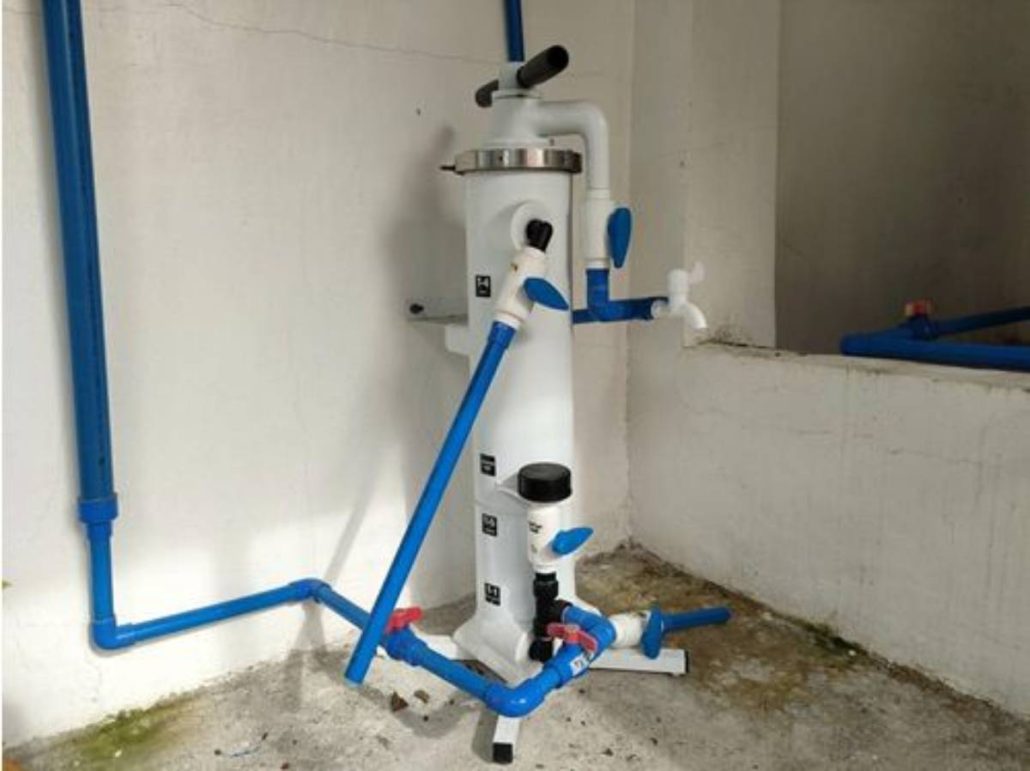
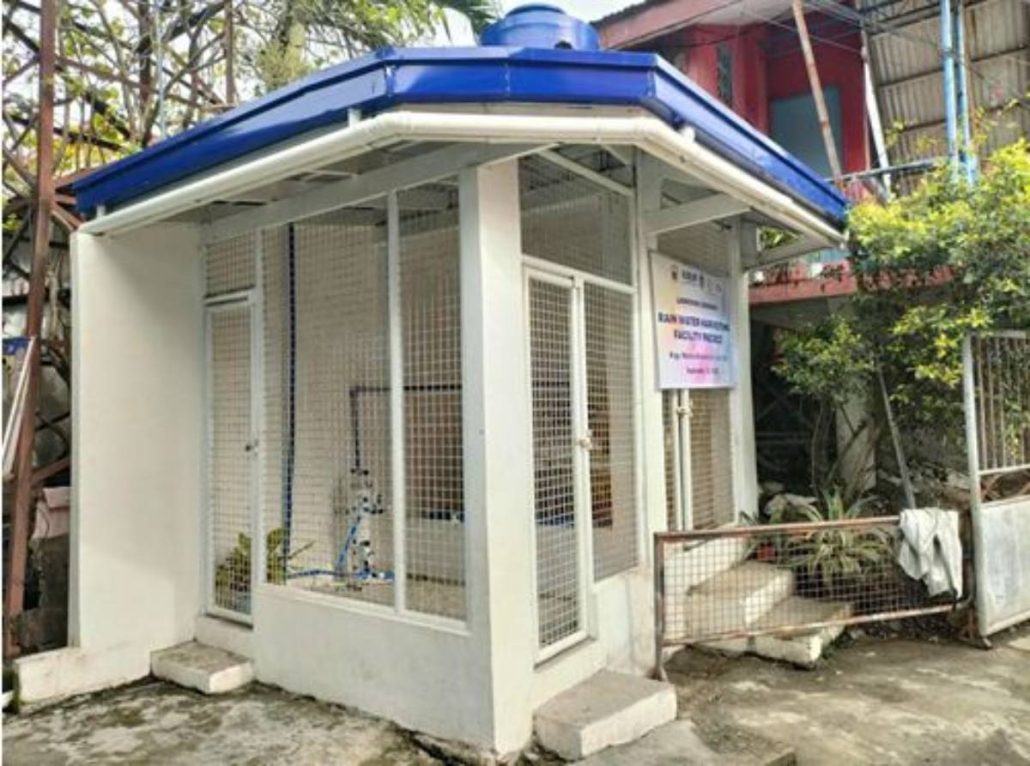
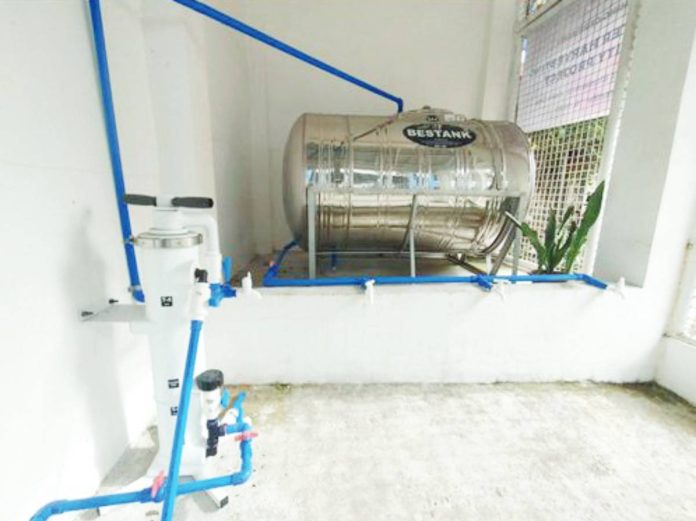
Each facility, built in partnership with Signpost Philippines, features a 60,000-cubic-meter elevated tank with a 10-year lifespan filtration system — ensuring safe water storage for domestic use.
“This is not your typical water tank,” Magno explained. “It’s designed to filter and store water safely for community use — clean enough for household chores and even drinking when properly treated.”
Beyond infrastructure, the project empowers residents through training in maintenance, record-keeping, and water management.
“It’s not just about the structure — it’s about empowering people,” Magno said. “We made sure that each barangay has a team that can clean, maintain, and manage the system. They will also keep financial records and ensure that the income from selling water is used for salaries and maintenance.”
Water collected from the tanks will be sold to residents at only P5 to P8 per gallon — far cheaper than the P30 charged by private suppliers.
“This will really help our communities, especially those in areas where wells are contaminated by floods,” Magno noted. “In places like Jaro and La Paz, where water access becomes difficult during the dry months, these systems will make a big difference.”
Three barangays have already inaugurated their facilities, while 14 more are scheduled for turnover on October 13. Priority areas were selected using the SIDRA study, which pinpointed communities most vulnerable to drought and flooding.
“These facilities are not just temporary solutions — they are part of our long-term strategy for resilience,” Magno stressed. “When the next drought comes, Iloilo City will not have to rely solely on external water supply. Communities can sustain themselves, even for weeks without rain.”
The 17 barangays benefiting from the project include Hinactacan, Ingore, Monica-Blumentritt, Navais, Tabuc Suba, Hibao-an Sur, Bito-on, Lanit, Ortiz, Veterans Village, Calaparan, Sooc, Balantang, Buntatala, Tacas, Camalig, and San Isidro.
Magno urged other barangays to replicate the initiative using local funds.
“We are guiding other communities to replicate this model,” she said. “Our goal is for every barangay to have its own water harvesting system, so no Ilonggo will have to suffer from lack of water during El Niño again.”/PN