


MANILA — Former president Rodrigo Duterte will remain in detention after the International Criminal Court’s (ICC) Appeals Chamber on Friday denied his bid for conditional release.
The ruling affirms an earlier decision by the ICC’s Pre-Trial Chamber I, which in September found no basis to grant Duterte temporary liberty while he awaits trial in The Hague for alleged crimes against humanity linked to his anti-drug campaign.
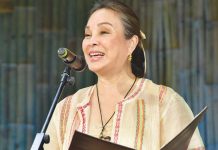
Presiding judge Luz Del Carmen Ibañez delivered the judgment in open court.
Duterte did not attend the session, having previously waived his right to appear. His counsel, Nicholas Kaufman, represented him before the chamber.
Kaufman earlier noted that the defense may continue to question Duterte’s detention under ICC Rule 118, which mandates periodic reviews of a detainee’s status every 120 days.
But legal representatives of drug war victims have signaled they will oppose any renewed attempts from the former president to secure provisional release.
In its September decision, the Pre-Trial Chamber said Duterte’s continued confinement was necessary to ensure his presence at trial and to mitigate risks of obstructing the proceedings. The judges pointed to concerns that he could endanger potential witnesses if released.
They also cited the circumstances surrounding his March arrest — described by his family at the time as a “kidnapping” — as evidence of Duterte’s refusal to recognize the court’s authority and the willingness of those close to him to assist in evading prosecution.
Duterte first sought interim release on June 12 but later requested to defer the hearing.
His camp revived the application in August, drawing formal objections from ICC prosecutors and representatives of families of victims.
The former president has been held at the Scheveningen Prison in The Hague for nearly nine months after Philippine authorities arrested and surrendered him to the ICC in March.
He faces allegations of murder in connection with thousands of killings during the drug war and earlier operations attributed to the so-called Davao Death Squad.
Official government figures count more than 6,000 deaths during the anti-drug campaign, though human rights groups estimate the toll could reach 30,000./PN