




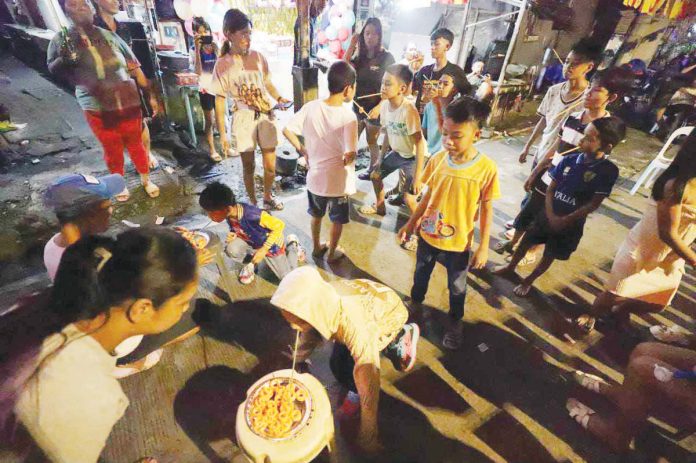
ILOILO City – As firecracker injuries continue to affect children during the holiday season, the Iloilo City Health Office (ICHO) is urging residents to abandon personal firework use and instead adopt safer, non-explosive ways of celebrating the New Year, including party horns, drums, light sticks, loud music, and organized fireworks displays.
ICHO’s firework injury surveillance data last year showed that Iloilo City recorded 16 firecracker-related injury cases, with the majority involving children aged one to 10 years old.
“All 16 cases were firework-related, and the majority of the victims were children aged one to 10 years old,” said ICHO’S Nurse I Jean Dimasuay.
The city’s intensified Iwas Paputok campaign focuses on prevention by promoting alternatives that eliminate the risk of burns, amputations, and other firecracker-related injuries.
“The Iwas Paputok campaign is a public health and safety initiative to prevent firecracker-related injuries and deaths during the holiday season,” Dimasuay said.
She added that injuries to the children last year were caused by kamara, triangulo, boga, homemade firecrackers, and roman candles.
Rather than lighting firecrackers at home or in neighborhoods, Dimasuay said residents are encouraged to choose safer options that still preserve the festive spirit.
“We are strongly advocating for communities to shift to noise- and light-emitting devices such as party horns, drums, loud music, car honking, and light sticks, or to join organized fireworks displays rather than lighting fireworks on their own,” she said.
Burn injuries accounted for most of the cases, prompting ICHO to reiterate proper first aid measures.
“If someone sustains a burn, the first thing to do is to cool the affected area under running water for 10 to 20 minutes and cover it with a clean, loose sterile dressing,” Dimasuay said.
She cautioned against unsafe practices, adding, “Toothpaste should never be applied on burns, blisters should not be punctured, and ice should not be placed directly on the skin.”
Dimasuay also advised residents not to ignore even minor injuries.
“Any cut or wound should be washed immediately with soap and clean water, pressure should be applied to stop bleeding, and the wound must be properly covered to prevent infection before seeking medical attention,” she said.
On smoke inhalation, she warned, “If a person inhales too much smoke, they should immediately move to fresh air and seek medical help if symptoms worsen.”
For severe injuries such as amputations caused by firecracker explosions, she stressed the need for immediate medical response.
“Control the bleeding using pressure dressings, cover the detached part with a moist dressing, apply a tourniquet if there is massive bleeding, and bring the patient to the nearest hospital immediately,” Dimasuay said.
In cases where a child swallows a firecracker, she added, “Do not induce vomiting. Give egg whites to delay toxin absorption and seek immediate medical attention.”
She also cited eye injuries as medical emergencies.
“If fireworks affect the eyes, gently flush them with clean, lukewarm water, do not rub or touch the eyes, cover them with clean gauze, and seek immediate medical care,” Dimasuay said.
Despite the absence of a city ordinance banning fireworks, Dimasuay said public cooperation remains essential to achieving injury-free celebrations.
“Our goal is zero casualties. That is why we continue to focus on advocacy and awareness, encouraging everyone to choose safer ways of celebrating the holidays,” she said./PN