

ILOILO City – With only a handful of World War II veterans left alive, officials and historians sounded an urgent call to preserve their legacy and rekindle nationalism among the youth as Panay Island marked the 81st anniversary of its liberation from Japanese occupation on Wednesday, March 18.
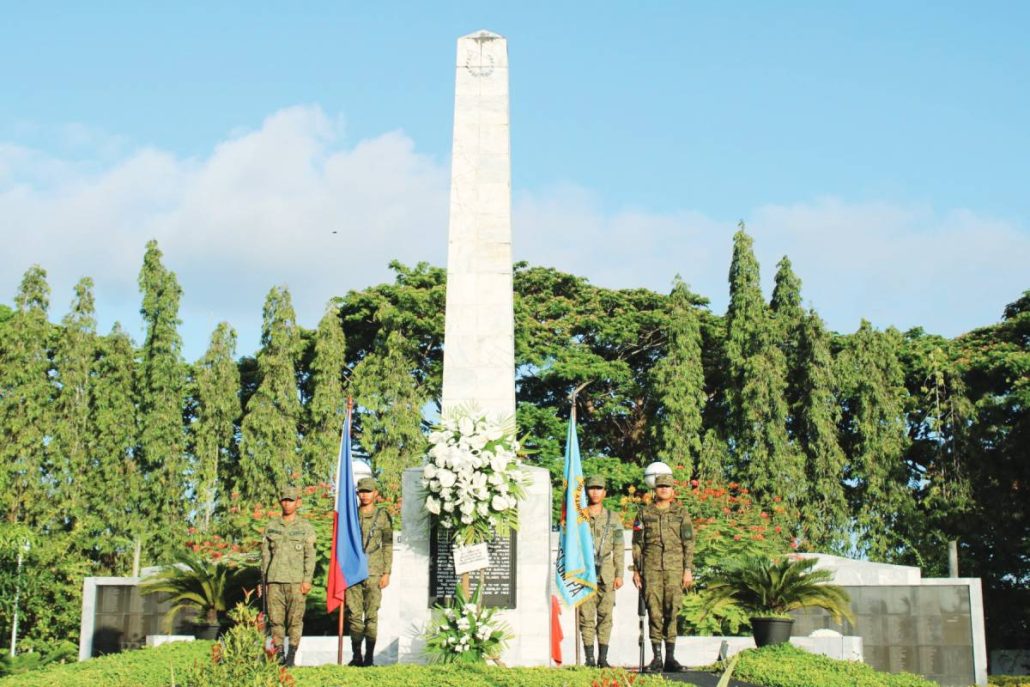
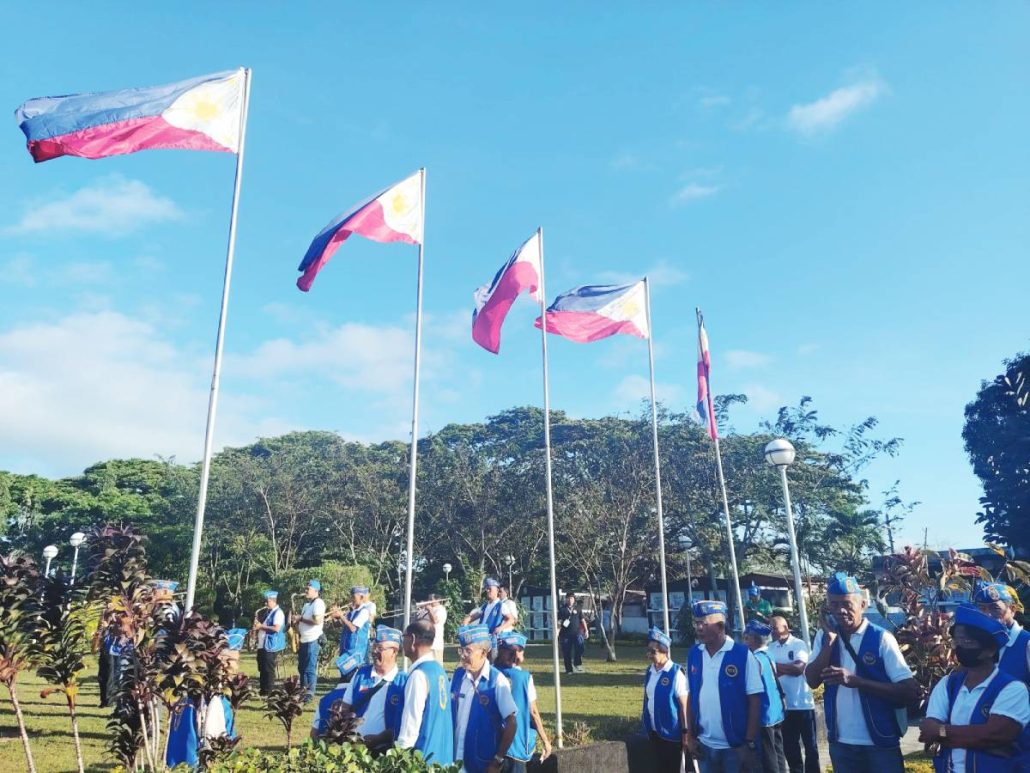
Commemorative rites at the Balantang Memorial Cemetery National Shrine in Jaro district — once a key World War II battleground in Iloilo in 1945 — doubled as both a tribute to heroism and a reminder that the generation who fought for freedom is fast disappearing.
“I think there are only two or three left who are now wheelchair-bound or bedridden,” said Nereo Lujan, a historian and chief of the Iloilo Provincial Government’s Public Information and Community Affairs Office representing Gov. Arthur Defensor Jr., citing data from the Philippine Veterans Affairs Office.
“Over the years, their numbers have steadily declined. Nationwide, there may still be some centenarians, but very few are left,” he added.
The annual observance, also known as Victory Day, marks the March 18, 1945 landing of Allied forces that helped liberate Panay, Guimaras, and Romblon, although historians emphasized that local guerrillas had already freed much of the islands even before their arrival.
This year’s ceremony was more subdued due to ongoing renovations at the shrine, limiting attendance, but officials stressed that the significance of the occasion has only grown more urgent.
Lujan underscored that honoring veterans goes beyond symbolic gestures.
“The sacrifices of the veterans should be honored, and they should serve as examples for the living,” he said.
“Serving our town and country is not only about small acts like cleaning the streets or joining tree-planting activities. There may come a time when we are called to give our lives for our country — and we should be ready to do so,” Lujan added.
Across the ceremony, speakers consistently raised concern over what they described as a growing disconnect between younger generations and the nation’s history.
Retired Philippine Army Colonel Oscar Lasangue urged a renewed push for national identity, especially in light of current territorial challenges.
“As proud Filipinos, we must encourage our youth to appreciate their cultural roots and their responsibilities as defenders of our territory, especially in the context of the West Philippine Sea,” Lasangue said.
Veteran Policarpio Ferre Jr. echoed the concern, stressing the importance of historical awareness.
“It’s crucial for our youth to grasp the immense struggles faced by those before them. They must develop a strong sense of nationalism and understand the historical fight for our freedom,” he said. Retired Lieutenant Colonel Jose Virgula went further, lamenting what he described as alarming gaps in basic national knowledge.
“It is disheartening to see that some young people today do not even know how to sing our national anthem,” Virgula said.
“Our celebration is not just about commemorating the past; it is a chance to impart valuable knowledge about the sacrifices our veterans made for our freedoms. Without these brave souls, our current situation could have been drastically different — perhaps we would still be subjugated by foreign powers,” he added.
Iloilo City’s Mayor Raisa Treñas highlighted the personal dimension of the commemoration, recalling stories from her grandfather, a war veteran.
“This is very important. Eighty-one years ago, our war veterans fought during the Japanese occupation,” she said. “We must continue to support these activities. We continue to celebrate this to honor the sacrifices of our forefathers and to remind us of the importance of our independence during the time of the Japanese occupation.”
Vice Mayor Patrick Anthony Tobias of Cabatuan, Iloilo, also called on the youth to take a more active role in promoting peace amid global tensions.
“Through our group, we make a sincere appeal to the younger generation to become agents of peace and understanding. In a world fraught with violence, their involvement is crucial,” he said.
Despite the scaled-down ceremony, floral offerings, wreath-laying rites, and historical reenactments served as powerful reminders of the sacrifices made in one of the darkest chapters of Philippine history.
As Panay marked its 81st Liberation Day — recognized as a special non-working holiday across Aklan, Antique, Capiz, and Iloilo — officials stressed that the challenge now is no longer just remembrance, but ensuring that the lessons of war endure even after its last witnesses are gone./PN