


ILOILO City – Residents are now being called to act as frontline watchdogs against overpricing and fuel-related violations, as the city government ramps up enforcement by urging the public to report erring establishments through a digital platform.
The move came as the Local Price Coordinating Council (LPCC) strengthened its price monitoring measures amid global pressures affecting fuel and commodity costs, with authorities emphasizing that citizen participation is key to curbing abuses in pricing.
Mayor Raisa Treñas said the initiative is part of a broader effort to protect consumers and ensure that businesses comply with prescribed pricing policies.
“We continue to monitor closely to ensure that the interests of our consumers and residents are protected,” Treñas said.
Under the enhanced monitoring system, LPCC member-agencies will sustain regular price inspections and submit weekly reports every Friday to maintain updated and transparent tracking of prices of basic, essential, and prime commodities, including petroleum products.
Central to the campaign is the use of the eGovPH App, particularly its “e-report” feature, which allows residents to directly report suspected violations such as advance pricing by fuel stations or non-compliance with suggested retail prices.
Reports submitted through the platform will be endorsed to concerned agencies, including the Department of Energy, local government units, and law enforcement, for appropriate action.
City officials stressed that while enforcement efforts are being intensified, public vigilance will play a crucial role in ensuring fair pricing across Iloilo City’s markets and fuel stations.
Just last week, the Department of Trade and Industry (DTI) in Western Visayas also encouraged the public to report any irregularities in pricing or shortages of essential goods to the nearest DTI provincial office.
DTI Region 6 said public participation is vital in strengthening consumer protection and ensuring accountability among retailers.
It likewise urged residents to support locally produced goods, noting that buying local helps stabilize the regional economy and cushion it from global disruptions.
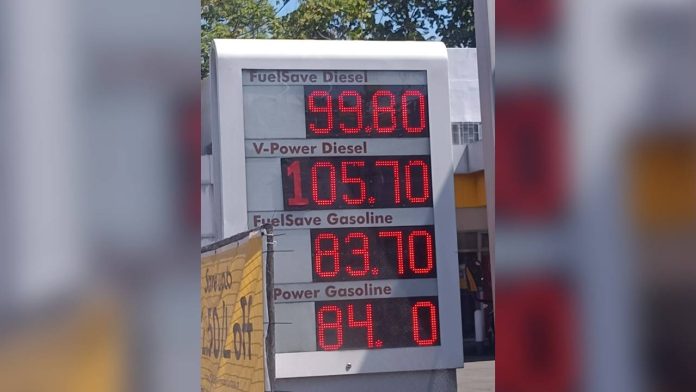
DTI-6 further moved to calm public concerns over possible price spikes and supply disruptions, assuring consumers that prices of basic necessities and prime commodities (BNPCs) remain stable and that supplies in the region’s markets are sufficient as fuel prices surge due to rising tensions in the Middle East.
DTI-6 has intensified monitoring of supermarkets and grocery stores across the region to ensure that retailers comply with suggested retail prices (SRPs) and that consumers continue to have access to essential goods.
Basic necessities include rice, bread, fish, meat, eggs, potable water, milk, vegetables, fruits, instant noodles, coffee, sugar, cooking oil, and household gas.
Prime commodities, meanwhile, include the following products: flour, processed meat, non-basic dairy products, condiments, toilet soap, fertilizers, paper products, construction materials, batteries, and non-essential drugs.
DTI-6’s assurance comes as geopolitical tensions abroad trigger concerns nationwide that supply chains and fuel prices could affect the cost of consumer goods in local markets.
In a public advisory, DTI-6 said its provincial offices across Western Visayas have strengthened their market surveillance activities to track prices and inventory levels of BNPCs.
Under Republic Act No. 10623, these goods are subject to regular price monitoring and compliance with government-issued SRPs.
“DTI Region 6 works to safeguard consumers and keep essential products affordable and accessible. Our foremost priority is consumer welfare,” the agency said./PN