
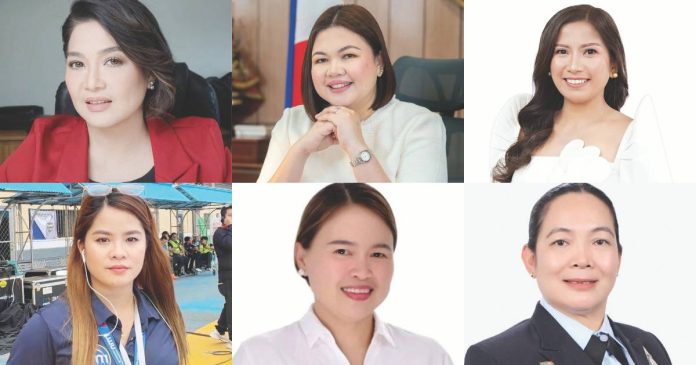
In boardrooms, barangay halls, newsrooms, fire stations, and even the halls of Malacañang, women continue to reshape leadership, quietly but powerfully. This Women’s Month, a diverse group of leaders reflects on the realities they face, the lessons they carry, and the responsibility of lifting others along the way.
Their stories are not polished narratives of success, but lived experiences of persistence where every challenge becomes a turning point.
Atty. Clarissa A. Castro: Grace Under Pressure
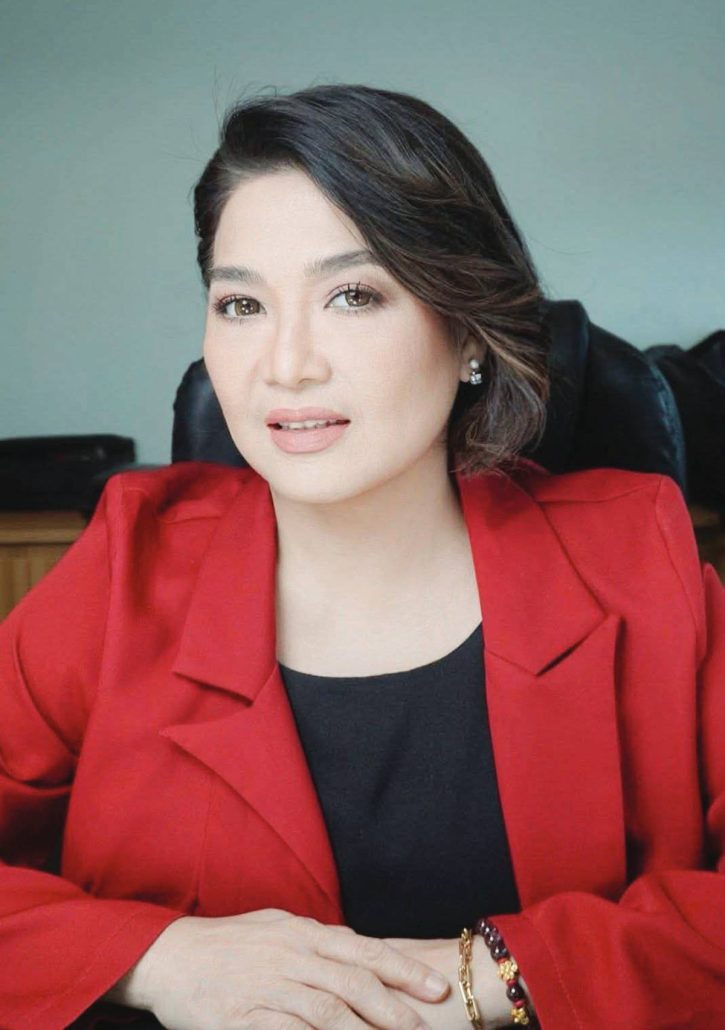
For Palace Press Officer Clarissa “Claire” A. Castro, leadership is not about avoiding hardship — it is about growing through it.
“The challenges I’ve faced in my career are always evolving. There’s a new challenge every day and I’ve learned to roll with the punches,” she said.
Rather than resist difficulty, she reframes it.
“I look at these challenges as opportunities to improve and become a better public servant, a kinder person, and most importantly a more dedicated follower of Christ.”
Her strength is anchored in discipline and faith, choosing not to let pressure define her character.
“I never let these challenges dictate how I react and who I’m going to be.”
She also finds empowerment not in hierarchy, but in community.
“My staff is composed mostly of women. I look at them and see the strength, compassion, and kindness that all women are capable of… they are an inspiration for me,” she said.
For Castro, solidarity is not abstract, it is lived daily. And her message to young women reflects that same grounded clarity:
“Never feel that you have to limit yourself just to make others stand out… be that one-of-a-kind person your friends, family, and colleagues can look up to.”
Raisa Treñas: Leading Beyond Stereotypes
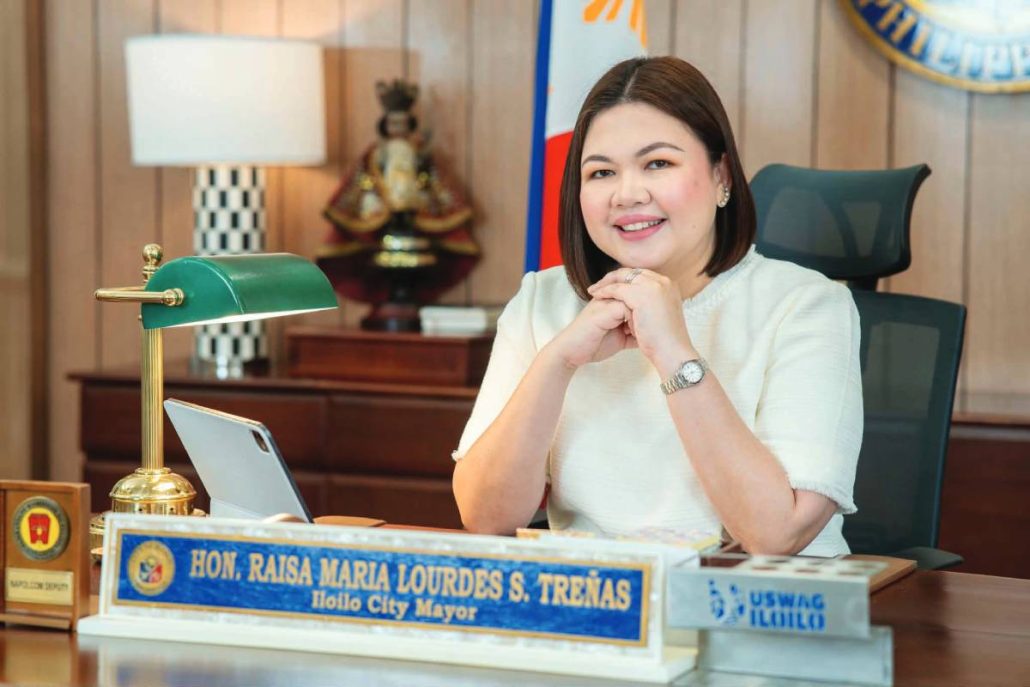
Being the first woman elected mayor of Iloilo City carries both symbolism and scrutiny.
“There are times when people — often because of political bias or long-held stereotypes, tend to underestimate what a woman leader can do,” Mayor Raisa Treñas admitted.
But instead of retreating, she leans into the challenge.
“Those moments can be difficult, but they also strengthen your resolve,” she said.
Her leadership philosophy is simple but firm: results over rhetoric.
“When you know in your heart that you are capable, you focus on the work and let your actions speak for themselves. You lead, you deliver,” said Treñas.
The Iloilo City mayor emphasizes that leadership is not defined by gender, but by “commitment, competence, and sincerity in serving the people.”
Under her administration, programs centered on women’s empowerment, from livelihood to wellness, continue to expand. Yet she acknowledges a critical gap: “One important aspect is raising greater awareness… many of these services are available for free, and we want to make sure more women know about them.”
What fuels her most are moments on the ground.
“Someone comes up to me and says, ‘Inday, salamat gid sa palangabuhian, daku gid ni nga bulig sa amon.’ Moments like that remind me why we do what we do.”
Her message resonates with quiet conviction: “There will always be people who question our capability… but we can always prove them wrong through our actions.”
Lady Julie Grace Baronda: Finding Strength in Being Heard
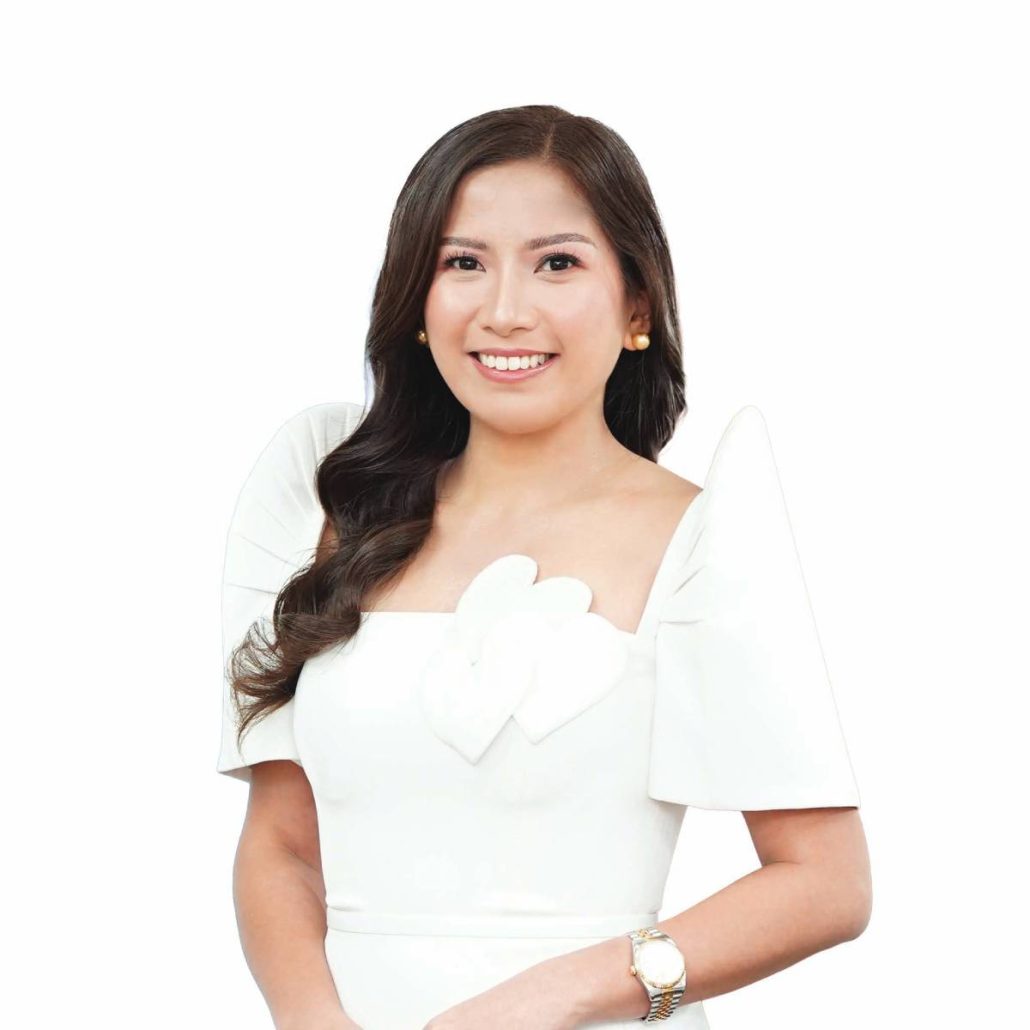
Vice Mayor Lady Julie Grace Baronda’s journey reflects a familiar reality for many women in public service, having to work harder to be taken seriously.
“There were multiple moments when my ideas were questioned more strictly,” she recalled.
Yet those moments did not silence her — they sharpened her: “Those experiences became a source of strength rather than discouragement.”
They shaped a leadership style rooted in intention.
“One that values preparation, resilience, and empathy… a commitment to lead not with ego, but with purpose,” Baronda said.
She sees progress in Iloilo, particularly in the growing presence of women leaders. Still, she underscores the need for deeper structural support.
“There remains a need for stronger support systems, especially in economic opportunities and protection against gender-based violence,” she said.
Baronda also speaks strongly about mentorship and shared growth: “When women leaders affirm your voice, share their experience, and stand beside you… it gives you the confidence to step forward.”
Her call to young Ilonggas is both empowering and urgent: “Believe that your voice matters… your ideas, your compassion, and your determination can shape the future.”
Marjorie Hervo-Miane: Bearing Witness, Carrying Stories

For journalist Marjorie Hervo-Miane, the job goes beyond reporting, it is about carrying the weight of other people’s stories.
“Covering crime, tragedy, and human suffering has left a deep mark on me,” she shared. “There were times I would carry these stories home… even dreaming of being in the victims’ place.”
That emotional burden became a source of purpose.
“That empathy became both my burden and my strength. It taught me to tell stories with compassion, not just facts,” she said.
As a woman in media, she also confronted harassment — an issue often unspoken but deeply felt.
“But those experiences never stopped me… they strengthened my resolve to stand firm, uphold integrity, and deliver fair and balanced reporting,” stated Hervo-Miane.
Despite competition in the field, she highlights an unspoken sisterhood among women journalists: “We look out for each other, not just professionally, but personally.”
She emphasized how small gestures matter. “A simple word of encouragement… can make a difference in someone’s journey,” she said.
Her advice to aspiring women is rooted in resilience: “I remember having my story ideas rejected 17 times… but rejection is not the end — it is redirection.”
Dorothy Joy Juarez-Bolivar: Healing, Leading, and Listening
For retired Police Major Juarez-Bolivar, M.Ed., leadership is deeply tied to advocacy — especially in a field still struggling for recognition.
“One of the biggest challenges is helping people truly accept the importance of mental health,” she explained. “Mental health is still misunderstood… some people doubted the value of psychological services.”
Her earlier years in a male-dominated institution added another layer of challenge.
“As a policewoman, you sometimes feel the need to prove yourself more… it was not always easy to keep your voice heard,” she said.
Yet these experiences shaped her into a more grounded leader: “They taught me patience, compassion, and determination.”
Today, her leadership is defined by empathy, saying “I chose to lead by listening… by empowering others… making sure every voice is heard.”
She also reflects on the power of collaboration among women: “There were many moments when fellow women leaders supported me… that kind of solidarity gave me strength.”
Her message carries both urgency and hope: “Leadership is not about being perfect, it is about being brave enough to start.”
Maria Joy Denaga: Courage in the Line of Duty
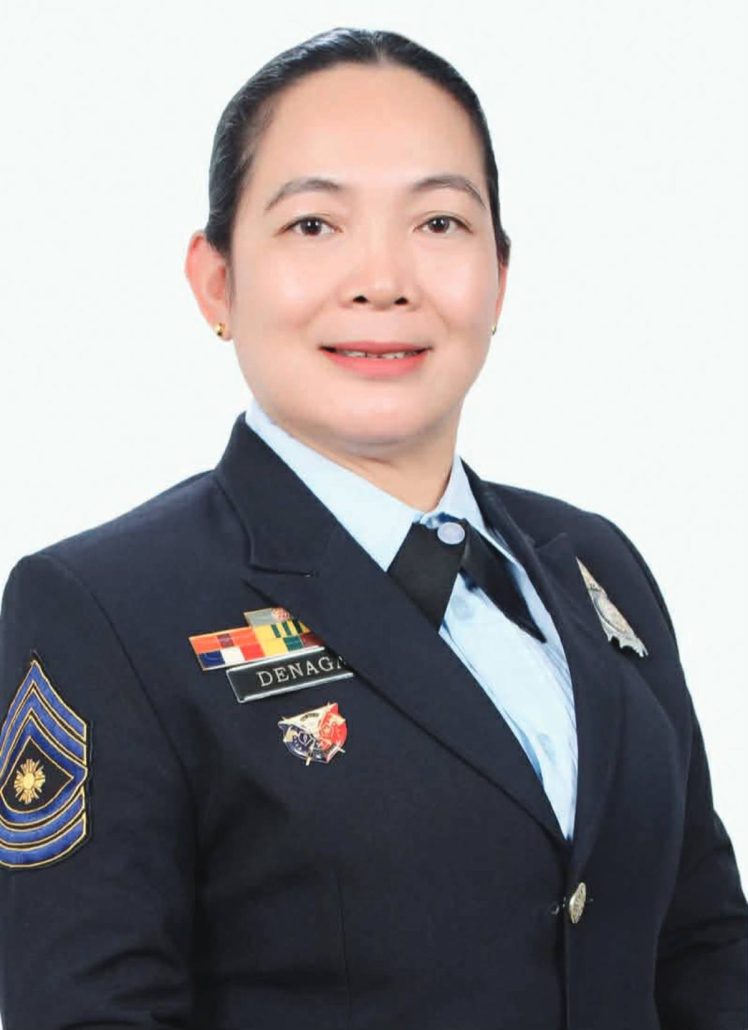
In a field long dominated by men, Senior Fire Officer 4 Maria Joy Denaga’s journey as a firefighter required both grit and grace.
“One of the biggest challenges I faced was proving that I can do the job… and changing the perception that firefighting is only for men.”
Beyond the uniform, she also carries another role. “Being both a mother and a firefighter is not easy… sometimes you have to choose between work and family,” she said.
These realities shaped her leadership into one grounded in empathy and inclusivity, saying “I strive to create a workplace where everyone feels respected, heard, and supported.”
She recalls a defining moment during training: “There was a time when I already felt like giving up… but my fellow women trainees would say, ‘Kaya natin to.’”
Those words stayed with her. “It gave me a meaningful reason to keep going,” added Denaga.
Her message to young women is both simple and powerful: “Believe in your abilities… leadership is not defined by gender but by dedication, integrity, and willingness to serve.”
Across different fields and experiences, one truth emerges: women are not just participating — they are leading, shaping, and transforming spaces that once excluded them.
Their journeys are marked by doubt, resistance, and sacrifice — but also by solidarity, purpose, and impact.
And perhaps what binds them most is this shared belief: When one woman moves forward, she creates space for others to move forward, too./PN