

MANILA — The Philippines and China have reopened discussions on joint oil and gas exploration, a move seen as a strategic push to secure energy supplies as global fuel markets face mounting uncertainty.
The Department of Foreign Affairs (DFA) confirmed that both countries conducted “initial exchanges” on potential cooperation during back-to-back diplomatic engagements in Quanzhou City, Fujian Province on March 27 and 28.
These meetings formed part of the 24th Foreign Ministry Consultations and the 11th session of the Bilateral Consultation Mechanism on the South China Sea.
Amid rising fuel costs and continued reliance on imported energy, Manila signaled openness to cooperation—but underscored that any agreement must align with national interests.
According to the DFA, the Philippines “reaffirmed its commitment to handle bilateral issues in line with the Philippine national interest, while advancing mutually beneficial cooperation especially in the economic and people-to-people area.”
Energy security emerged as a central theme, with both sides acknowledging risks to global supply chains. The DFA said the two countries recognized “current global uncertainties, especially developments in the Middle East” and “discussed the importance of stable access to energy and fertilizers, as well as potential cooperation in green and renewable energy.”
The agency added that “both sides continued to make progress on practical measures that are consistent with Philippine law and policy to increase confidence in the maritime domain, including coast guard to coast guard communication, ocean meteorology, and initial exchanges on potential oil and gas cooperation.”
The renewed talks come as the Philippines faces escalating fuel prices, highlighting the urgency of exploring alternative and more secure energy sources.
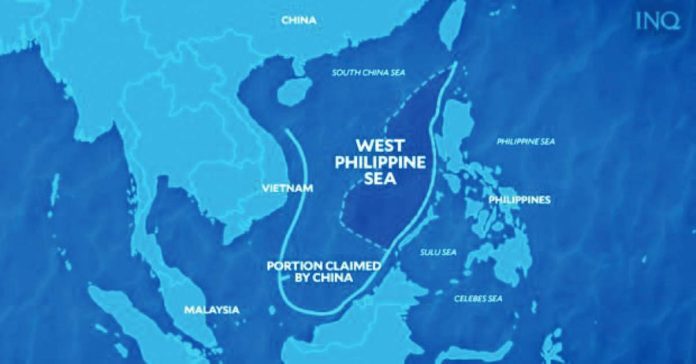
However, the discussions unfolded against the backdrop of persistent tensions in the South China Sea.
The DFA said Manila and Beijing “had frank and thorough exchange of views on the situation in the South China Sea” during the consultations.
“The Philippine side firmly reiterated its principled positions and raised concerns over incidents affecting the safety of Filipino personnel and fishermen, including actions that have disrupted lawful activities and posed risks at sea,” the DFA said.
“The Philippines emphasized the need for diplomacy and communication for managing differences at sea, and upholding international law, particularly the 1982 UNCLOS and the 2016 South China Sea Arbitral Award,” it added.
Efforts toward joint exploration have long been stalled by legal and political hurdles. In 2022, the Philippines suspended exploration activities in disputed waters during the Duterte administration.
China, meanwhile, continues to reject the 2016 arbitral ruling that invalidated its expansive claims over most of the South China Sea./PN