

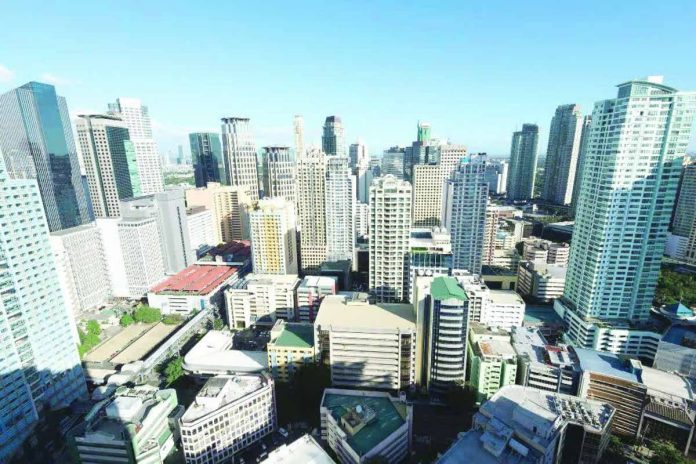
HIT BY a double whammy of Middle East oil price shock and lingering graft probe constraints, Philippine economic growth softened to 2.8 percent in the first quarter, the weakest pace seen after the Covid-19 pandemic.
The latest gross domestic product (GDP) growth print further slowed down from 3 percent in the fourth quarter of 2025, the Philippine Statistics Authority reported on Thursday, May 7.
This now marks the fourth consecutive year that growth has missed the Marcos administration’s target, as it landed below the already lowered 5 percent to 6 percent goal for 2026. It was also way below the 5.4 percent GDP growth delivered in the same period a year earlier.
“We recognize that this outcome reflects the combined impact of significant domestic and global challenges,” Economic Planning Sec. Arsenio Balisacan said.
He added: “These challenges are real, and the Marcos administration is confronting them directly and decisively. Restoring public trust and strengthening institutional credibility remain among the administration’s highest priorities.”
Excluding the recession caused by the pandemic, economic growth in the first quarter was the lowest since the first three months of 2021, National Statistician Dennis Mapa said.
The latest data also came in worse than the 3.4-percent median growth estimate of 14 economists polled by the Inquirer.
“Our growth performance trails Vietnam, Indonesia and China, among others in the region,” Balisacan said.
He blamed the weak growth on the Middle East conflict, a scandal involving billions of pesos in fraudulent state-funded flood control projects, and the delayed approval of the national budget, which hampered infrastructure projects.
The bogus flood control projects, believed to have cost taxpayers billions of dollars, sparked protests and arrests across the storm-battered archipelago this year.
Consumer prices had also spiked to a three-year high of 7.2 percent for the quarter, which Balisacan called a “major factor” leading to the lowered GDP growth.
The country had still been trying to rebound from weak growth in 2025, when infrastructure spending contracted sharply amid the flood control corruption scandal, when the Iran war erupted in late February. (Nyah Genelle C. De Leon © Philippine Daily Inquirer / with a report from Agence France-Presse)