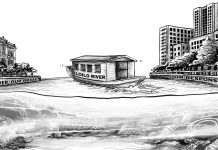




THE CRITICALLY low levels of major irrigation dams in Iloilo, Antique, Aklan, and Capiz are not merely the result of extreme heat or the looming threat of a “Super El Niño.” They are also symptoms of decades of inadequate long-term water management planning. This should make government leaders, policymakers, and communities to confront a painful truth: the region remains dangerously unprepared for prolonged drought and climate-driven water shortages.
Every time El Niño strikes, the same problems resurface — depleted irrigation systems, struggling farmers, declining harvests, and fears over food security. Emergency measures are hastily implemented, water rationing begins, and authorities urge the public to conserve water. Then, once rains return, urgency fades and long-term solutions are once again pushed aside. Western Visayas can no longer afford this cycle of reactionary governance.
The region’s agricultural backbone depends heavily on stable water supply, yet many farming communities continue to rely on aging, limited, and vulnerable irrigation systems. The recent warning from the National Irrigation Administration (NIA) Region 6 about critically low water levels in key river irrigation systems should serve as a wake-up call.
Water security cannot depend solely on hoping for rain. Western Visayas urgently needs massive and sustained investments in long-term water conservation infrastructure. This includes the construction of additional dams, water impounding facilities, small-scale reservoirs, and modern irrigation systems capable of maximizing limited water resources during drought periods.
Many irrigation facilities in the region still suffer from inefficiencies and water losses due to outdated systems. Large volumes of water are wasted before they even reach farmlands. Modernizing irrigation through improved canal systems, drip irrigation technology, and water-efficient farming methods should already be a regional priority, not merely a future aspiration.
Equally important is watershed rehabilitation. Rivers and dams cannot survive if the forests and watersheds feeding them continue to deteriorate. Across Western Visayas, environmental destruction caused by deforestation, illegal logging, irresponsible land conversion, and destructive quarrying activities has weakened the natural capacity of watersheds to store and replenish water. Protecting forests is not simply an environmental advocacy issue. It is directly connected to agriculture, water supply, disaster resilience, and food security.
The region must also aggressively promote rainwater harvesting programs. During the rainy season, enormous amounts of water are simply lost because of insufficient collection and storage systems. Local governments, schools, barangays, farms, and even households should be encouraged — and incentivized — to establish rainwater catchment facilities that can help ease pressure on water supply during dry months.
Unfortunately, many local government units still treat water conservation initiatives as seasonal concerns rather than permanent development priorities. Climate change, however, has already changed the rules. Extreme weather patterns are becoming more frequent and more severe. Droughts that once occurred occasionally may now become recurring realities.
Western Visayas has already experienced the costly consequences of water insecurity. Farmers suffer crop losses. Rice production declines. Food prices rise. Rural livelihoods weaken. Entire communities become vulnerable. And yet, despite these recurring warnings, large-scale and integrated water management projects remain insufficient.
This is where stronger political will becomes indispensable. National agencies, local governments, environmental groups, irrigators’ associations, and the private sector must work together in developing a comprehensive and science-driven regional water management strategy. Water conservation should no longer be treated as an isolated agricultural concern. It must become central to economic planning, environmental protection, and disaster preparedness.
The challenge facing Western Visayas today is larger than surviving one El Niño episode. The real challenge is whether the region can build long-term resilience against a future where extreme heat and water scarcity may become increasingly common.
The drying dams of Western Visayas are sending a clear warning. The question now is whether government leaders are finally willing to think beyond temporary solutions — and invest in a future where water security is protected long before the next crisis arrives.