


ILOILO City – Authorities in Western Visayas have sounded the alarm over the growing number of children in conflict with the law (CICL), blaming family problems, lack of parental guidance, and negative peer influence for pushing more minors into criminal activities.
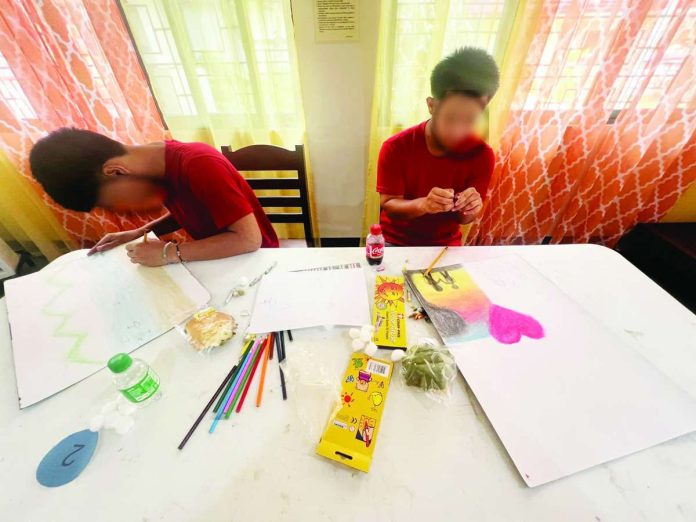
Data presented during the Regional Juvenile Justice and Welfare Committee 6 media forum in Nueva Valencia, Guimaras showed that 46 male CICLs are currently under the care of the Regional Juvenile Justice and Welfare Center in Guimaras as of May 2026.
Officials warned that the increasing number of youth offenders shows social and family issues that require intervention from parents, schools, communities, and government agencies.
A CICL refers to children aged 15 to 17 years old who are involved in criminal offenses or violations of the law.
According to Anna Karla Villanueva, Social Welfare Officer III of the Regional Juvenile Justice and Welfare Committee 6, many of the minors involved in crimes come from households experiencing serious family concerns, including lack of supervision, emotional support, and parental guidance.

“Most of these children are dealing with problems at home. Because they lack attention and proper guidance from their families, they tend to seek companionship from peers, and sometimes these peer groups become negative influences,” Villanueva said in an interview.
Villanueva explained that exposure to unhealthy environments and peer groups often leads minors to engage in theft, smoking, harassment, abuse, and other unlawful activities at a young age.
She emphasized that parents play a crucial role in preventing juvenile delinquency, stressing that children who receive consistent support, discipline, and guidance from their families are less likely to become involved in crimes.
Meanwhile, Police Captain Merry Chris dela Cruz of the Women and Children Protection Desk (WCPD) of the Police Regional Office 6 (PRO-6) said many minors involved in offenses are often emotionally neglected and resort to bad behavior to gain attention from their families.
“Some children commit offenses because they are longing for attention from their parents and loved ones. Instead of expressing their emotions properly, they sometimes turn to harmful behavior,” dela Cruz said.
Aside from family issues and peer pressure, authorities also identified environmental influences and exposure to violence or criminal behavior within communities as contributing factors behind the growing number of CICLs.
Records from the Regional Juvenile Justice and Welfare Center showed that among the 46 CICLs currently housed in the facility, 21 are from Negros Occidental, 10 from Iloilo, six from Capiz, five from Aklan, three from Guimaras, and one from Antique.
Authorities also revealed that from 2023 to 2025, theft remained the leading offense committed by CICLs in Western Visayas. Other common offenses include physical injuries, rape, robbery, carnapping, and motornapping.
Officials underscored the need for stronger family intervention, school-based guidance programs, community support, and youth-centered initiatives to prevent more minors from becoming involved in criminal activities.
“This is not only a law enforcement issue. This is a family and community concern. Prevention starts at home,” Villanueva added./PN

