

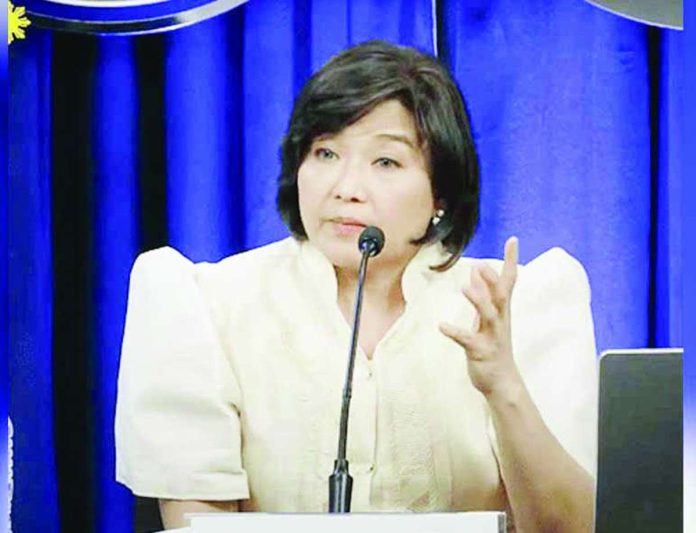
MANILA — Malacañang on Friday suggested that the Philippines’ failure to secure a coveted non-permanent seat on the United Nations Security Council (UNSC) may have been influenced by the country’s ongoing political conflicts, saying domestic tensions could have projected a negative image of the nation before the international community.
Palace Press Officer Claire Castro said political disputes and controversies have not gone unnoticed globally and may have affected how other countries viewed the Philippines during the election for the lone Asia-Pacific seat on the UNSC for the 2027-2028 term.
“Yes, lahat ng political noise, lahat ng political tensions nakakaapekto ito at ito ang nakikita ng buong bayan at buong mundo sa impresyon dito sa Pilipinas,” Castro said.
According to Castro, persistent political infighting and public controversies can undermine the country’s reputation and influence international perceptions.
“So, nagiging negatibo dahil sa mga ingay na ito na karamihan naman ay mga obstructionist katulad ng pag-describe ng Pangulo,” she added.
The Palace statement came after the Philippines lost its bid for the lone Asia-Pacific non-permanent seat on the Security Council during voting at the United Nations General Assembly.
Kyrgyzstan won the seat after obtaining 142 votes in the fourth round of balloting, while the Philippines garnered only 49 votes.
The Marcos administration had actively campaigned for the country’s candidacy, viewing a Security Council seat as an opportunity to strengthen the Philippines’ diplomatic influence and expand its participation in key international policy and security discussions.
The UNSC is one of the United Nations’ most influential bodies, tasked with maintaining international peace and security and addressing global conflicts and crises.
A seat on the council is widely regarded as a significant diplomatic platform, enabling member states to directly participate in shaping decisions on major international security issues.
Despite the setback, the Philippines is expected to continue pursuing its foreign policy objectives through the United Nations and other multilateral organizations, while maintaining its engagement in global diplomatic and development initiatives./PN