






PHOTOS BY ALLEN ANIMAS & AJ PALCULLO
BEHIND the walls of what was once a place of confinement now stands a space where history breathes, art speaks and culture comes alive.
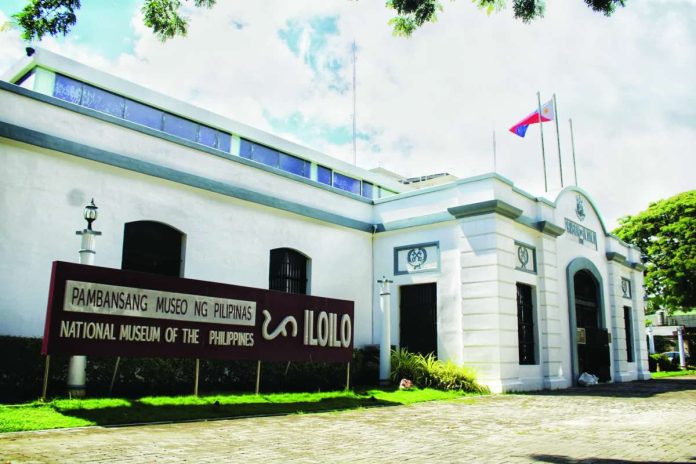
Housed within the Iloilo Provincial Capitol Complex along Bonifacio Drive, Iloilo City, the National Museum of the Philippines-Iloilo (NMP-Iloilo) has transformed the former “Old Prison of Iloilo” into one of Western Visayas’ most important cultural destinations.
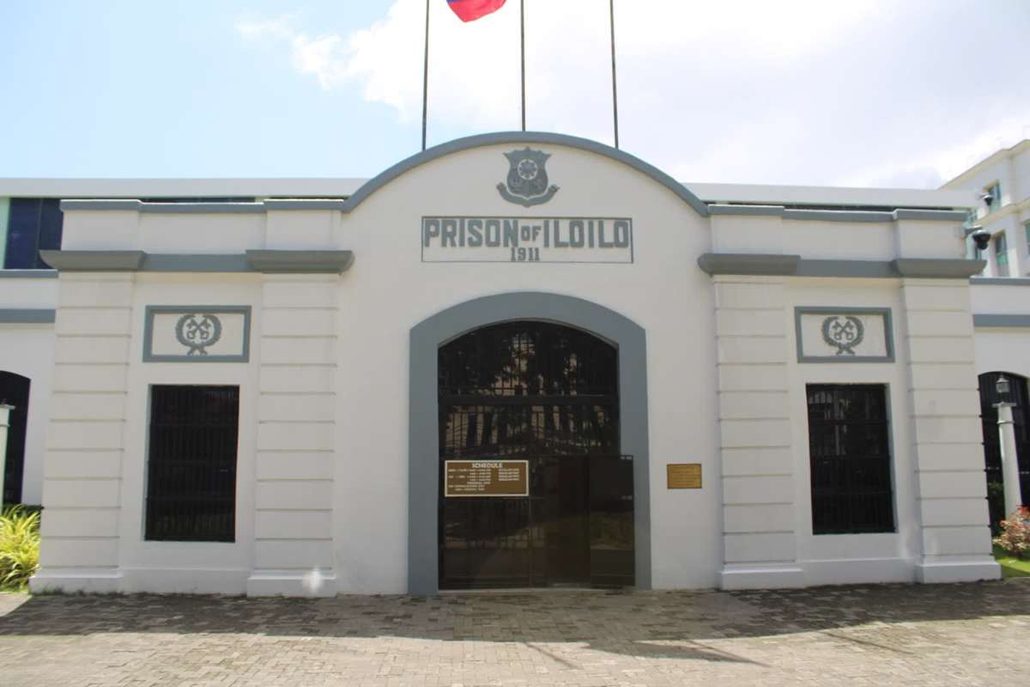
Built in 1911, the structure — formerly known as the Iloilo Provincial Jail and Iloilo Rehabilitation Center — served as a prison until 2006. It was later retrofitted for adaptive reuse as a museum beginning in 2015.
On April 11, 2018, during the 111th Semana sang Iloilo founding day celebration, the building was inaugurated and turned over to the National Museum of the Philippines under a 50-year usufruct agreement.
Today, the historic structure serves a very different purpose: opening its doors to learners, families, tourists and anyone curious about the story of Panay and Western Visayas.
For Supervising Administrative Officer Maricyn A. De los Santos, the museum provides more than a traditional viewing of artifacts.
“NMP Iloilo is open daily, and admission is free of charge,” De los Santos said, noting that the museum offers visitors an alternative learning experience through interactive activities.
Visitors can wear a patadyong, play games with family and friends, or settle down at the book nook to read Filipino-authored books.
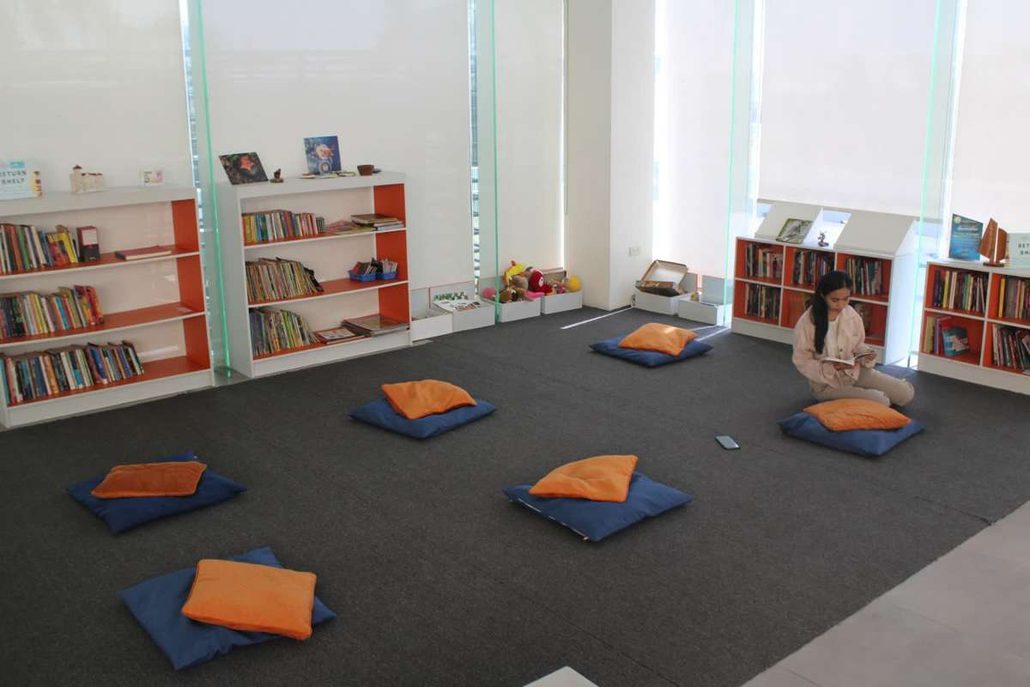
But beyond these activities lies the museum’s greater purpose — helping people understand how the region’s landscape, environment, communities, traditions and creative expressions have evolved through time.
A journey through time
The museum’s galleries take visitors across millions of years of Western Visayas history.
The Geology and Paleontology Gallery reaches as far back as 250 million years, showing how geological processes shaped the region’s distinctive landscapes and seascapes. Among the exhibits are fossil remains, including teeth of ancient elephants and stegodonts that once roamed Panay.
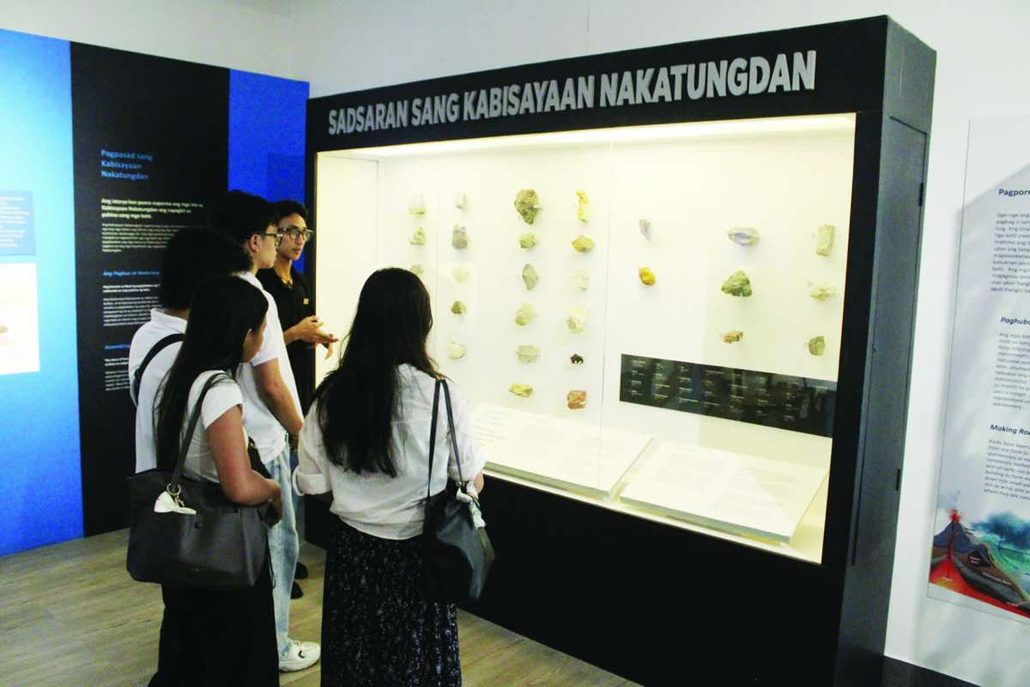
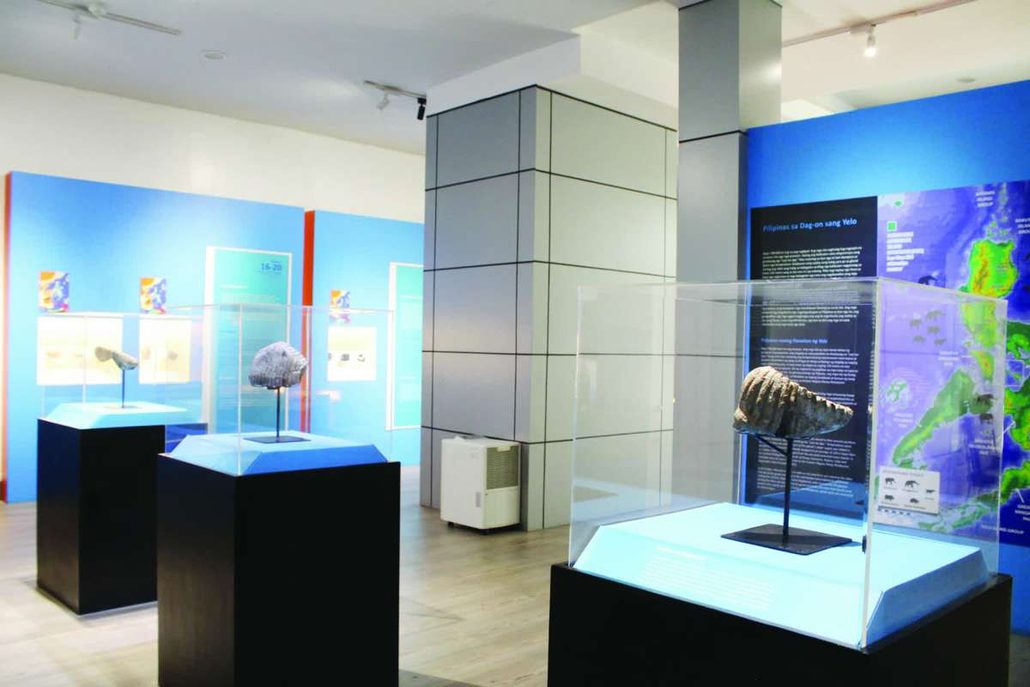
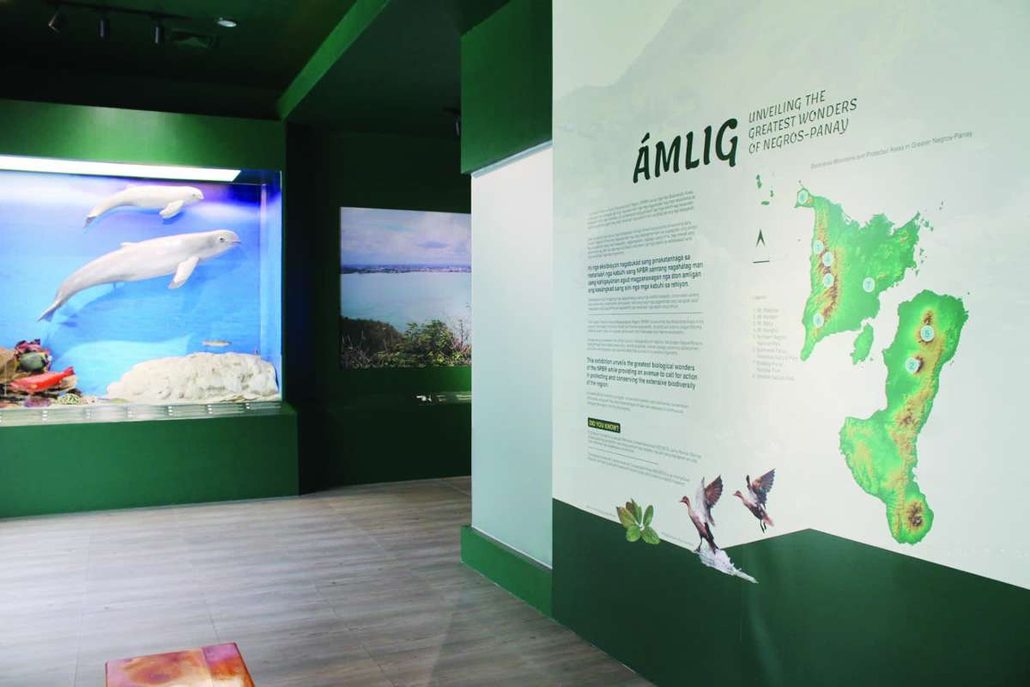
From the ancient earth, visitors are brought into the region’s living natural heritage at “Amlig: Unveiling the Greatest Wonders of Negros-Panay.”
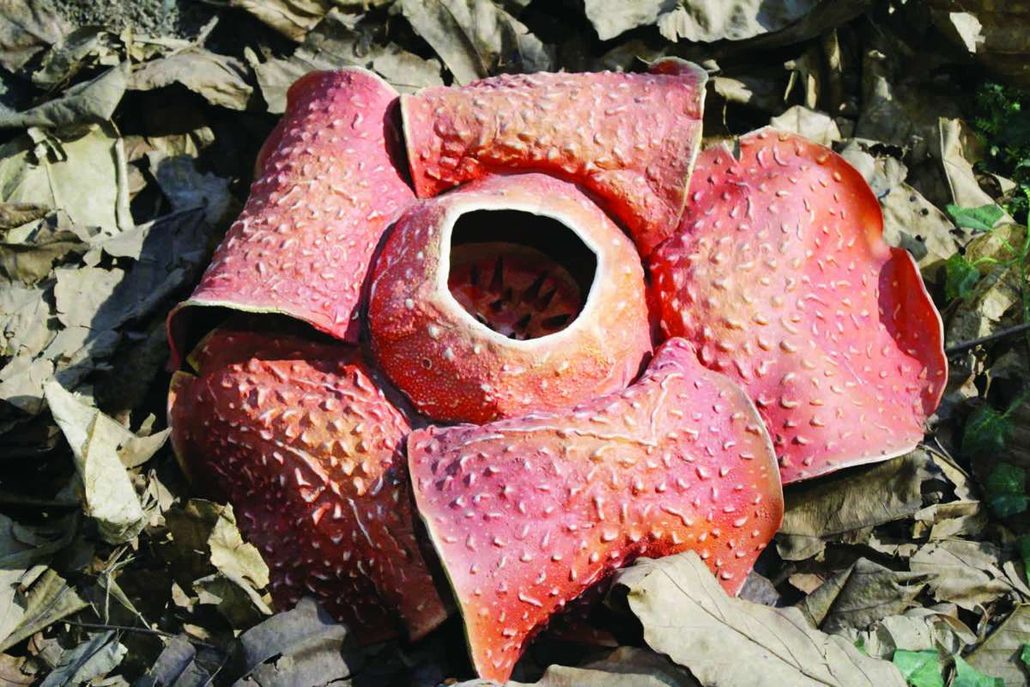
The gallery highlights the biodiversity of the Negros-Panay Biogeographic Region through immersive displays of forest and marine ecosystems. It introduces visitors to endemic and threatened species while reminding them of the environmental pressures brought by habitat destruction and climate change.
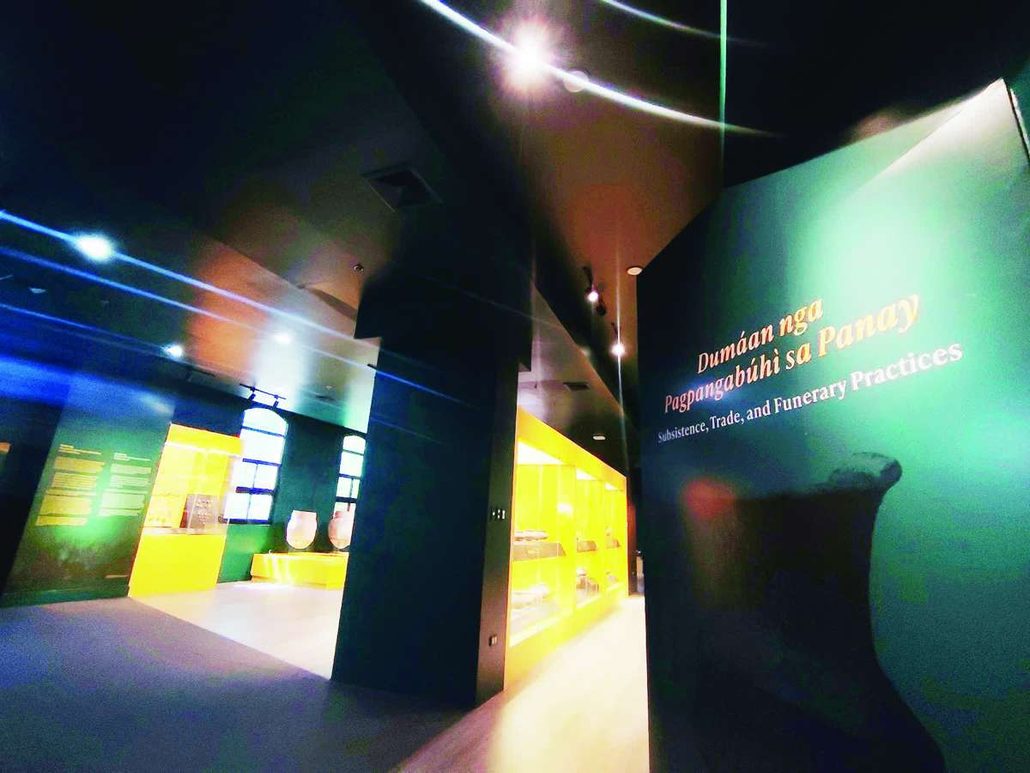
The journey then moves to the human story of Panay through “Dumaan nga Pagpangabúhì sa Panay: Subsistence, Trade, and Funerary Practices.”
The archaeological exhibition traces life on Panay from the Late Pleistocene period to the 18th century. Artifacts reveal how early communities found food, traded, interacted with one another and expressed spiritual beliefs through burial practices.
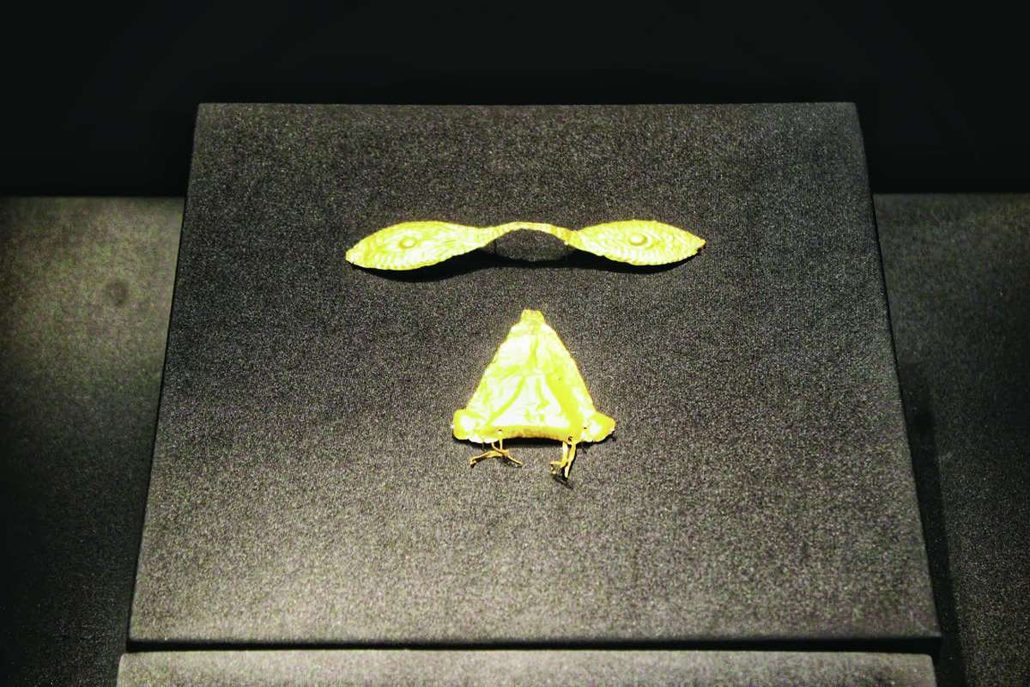
Among its treasures is the Oton Gold Death Mask, recognized as a national cultural treasure.
Threads, masterpieces and memories
History at NMP-Iloilo is not confined to ancient artifacts. It is also woven into the region’s living traditions.
“Habol Panay: The Woven Artistry of Western Visayas” showcases the diverse textile traditions of Panay and Negros, including hablon weaving in Iloilo and Antique, piña-seda weaving in Aklan and Antique, silk production in Negros Occidental, Panay Bukidnon embroidery, bobbin lacemaking in Sta. Barbara, and embroidery associated with Asilo de Molo.
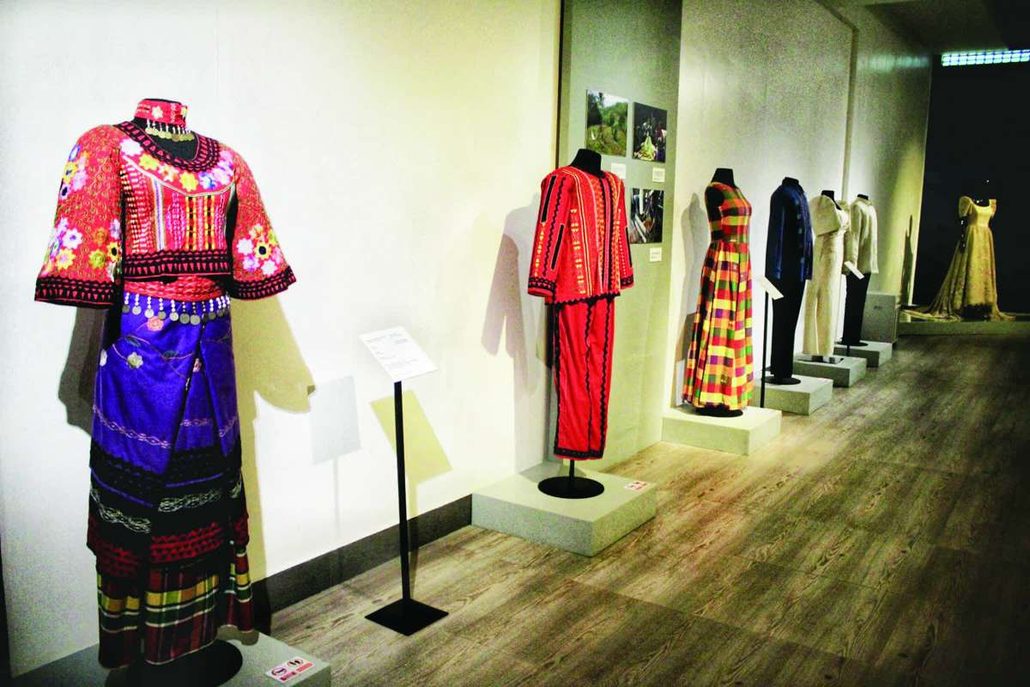
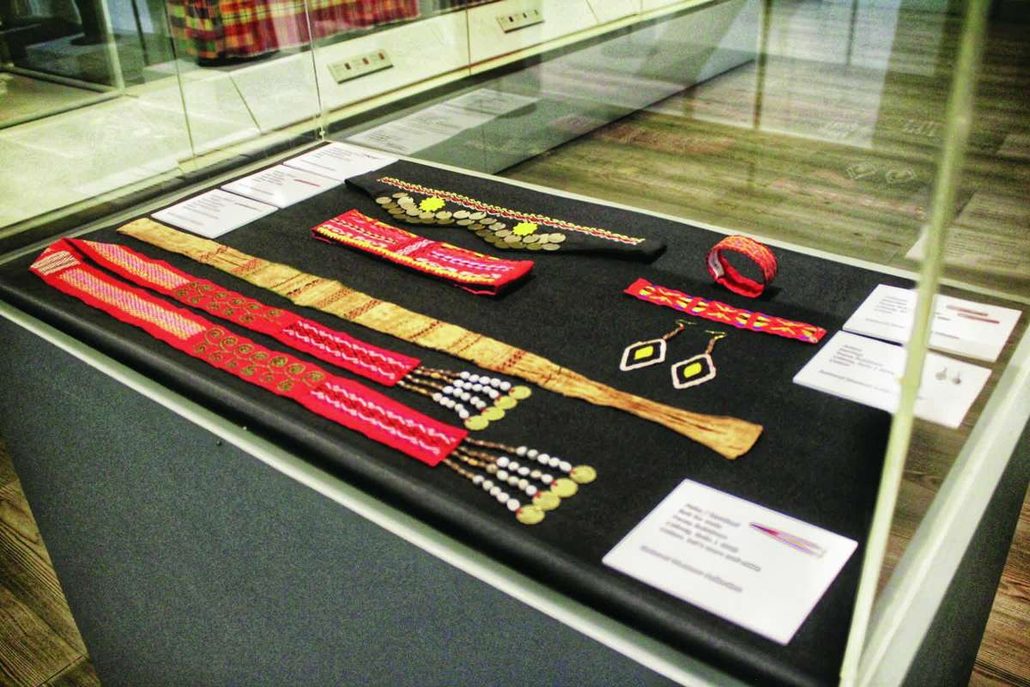
The gallery celebrates weaving as an enduring tradition that existed in Panay even before the arrival of the Spaniards.
For art lovers, “Halangdon: The Art of J. Elizalde Navarro” offers a glimpse into the legacy of the National Artist for Visual Arts who was born in San Jose, Antique.
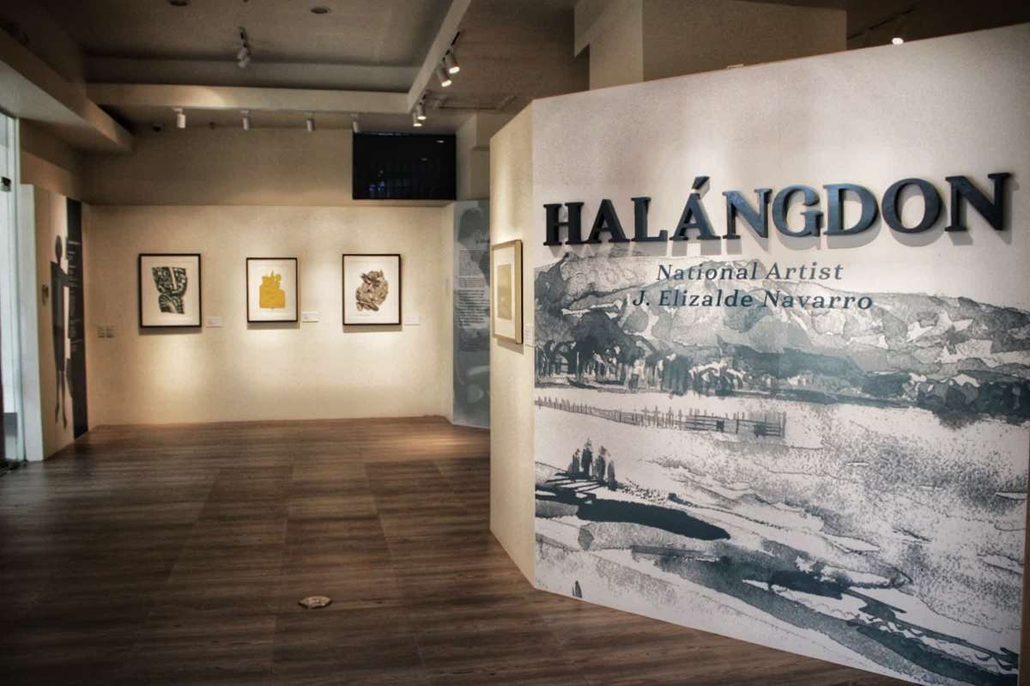
Navarro remains the only National Artist for Visual Arts from Western Visayas to date. His works, many of which were donated to the nation by his family, demonstrate the depth of artistic talent that emerged from the region.
Another gallery, “Iglesia: Heritage Churches of Iloilo,” presents heritage in an unexpected form. Ilonggo artist Cristhom Selibio Setubal recreates the likeness of Iloilo’s historic churches using discarded and found materials, including aluminum sheets, espresso pods, computer parts, beads, chicken wire and copper wire.
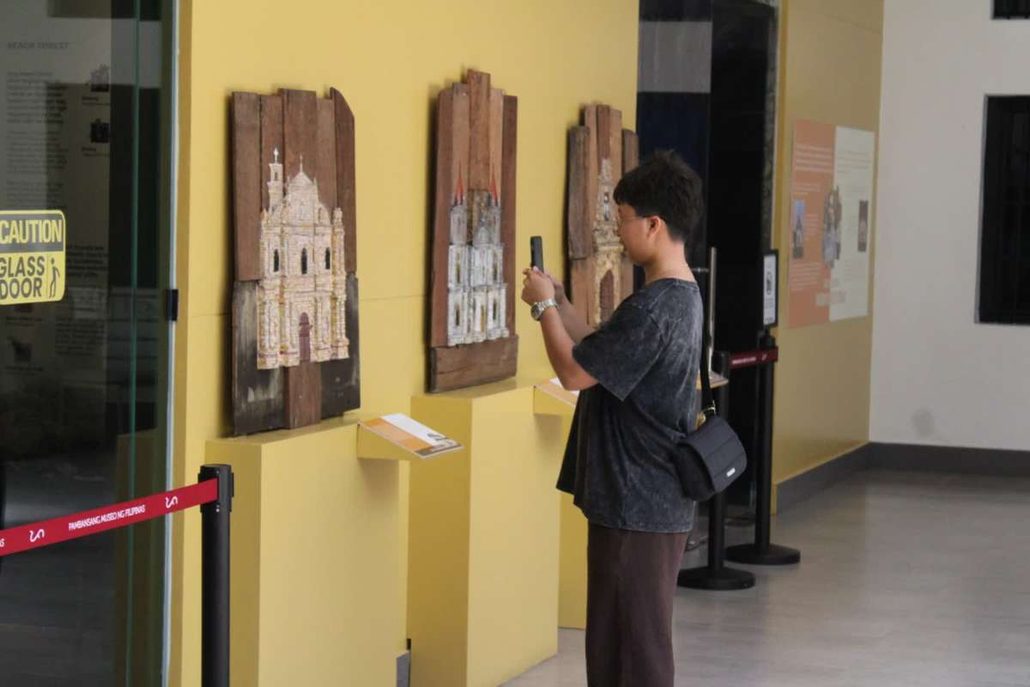
The result is an imaginative celebration of some of Iloilo’s most recognizable architectural treasures, including the churches of Jaro and Molo.
Meanwhile, “Nanding: Handumanan sang Panublion ni Fernando Lopez” chronicles the life and legacy of former Vice President and Senator Fernando Hofileña Lopez through artworks, photographs, archival materials and personal belongings donated by his family.
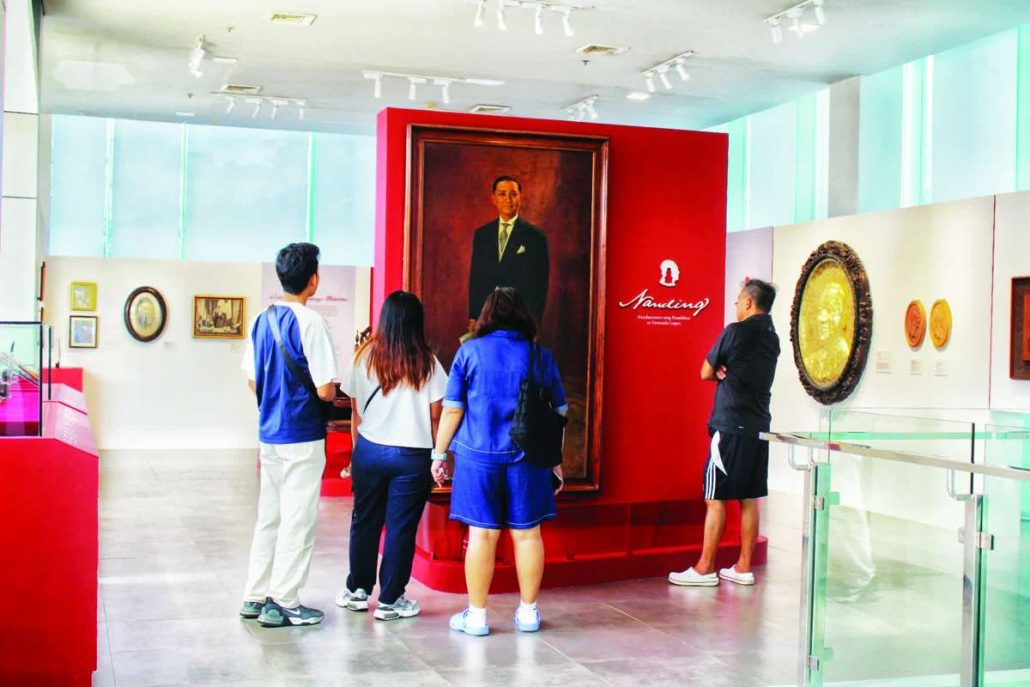
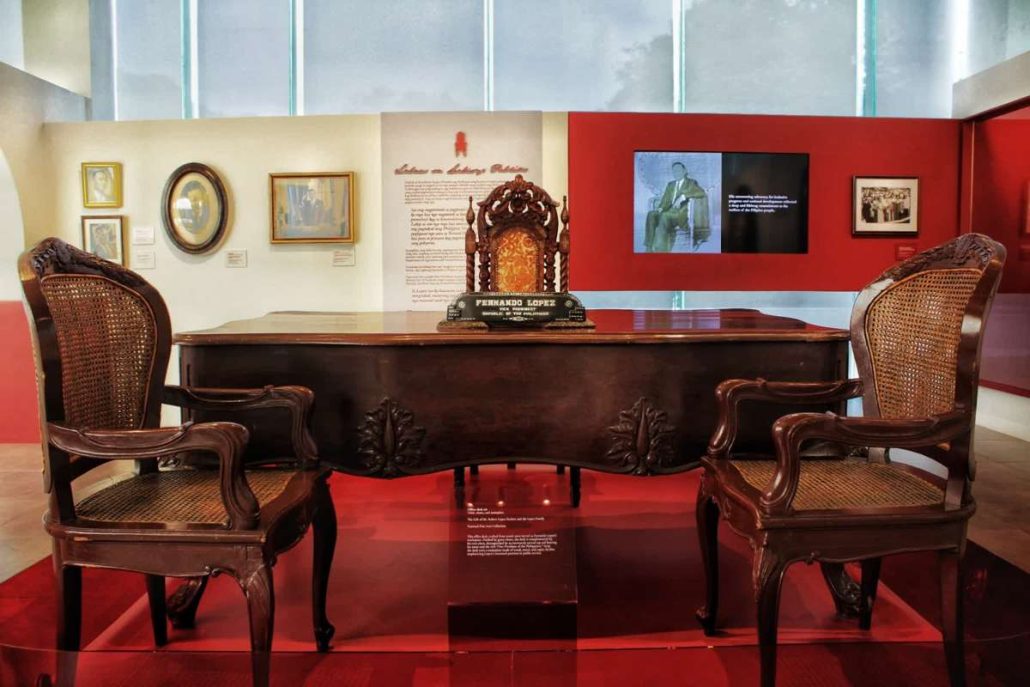
The exhibition traces Lopez’s journey from his beginnings in Jaro to his years in public service, providing a more personal view of a prominent Ilonggo figure.
A museum for everyone
What makes NMP-Iloilo particularly meaningful is that its doors are open to everyone.
With free admission and operating hours from 9 a.m. to 5 p.m. daily, the museum removes one of the common barriers to experiencing culture and history.
Educational institutions also regularly visit because of the museum’s visitor engagement activities, De los Santos said. Age-specific activities are provided to make museum visits enjoyable and memorable for different groups.
The museum’s appeal lies not only in the objects displayed behind glass but in the stories connecting them.
A visitor can begin by looking at fossils that tell the story of an ancient landscape, move on to ecosystems that explain the region’s natural wealth, examine archaeological remains left by early Panayanons, admire textiles and artworks, and finally encounter memories of more recent Ilonggo history.
Together, the galleries create a sweeping narrative of Western Visayas — from the formation of its land and seas to the evolution of its communities, industries, traditions and artistic identity.
For Iloilo, a city known for preserving its heritage while embracing modernity, NMP-Iloilo offers a fitting reminder that the future is better understood when the past is not forgotten.
The old prison no longer holds people behind its walls.
Instead, it holds stories.
And by opening those stories to the public, NMP-Iloilo ensures that the heritage of Iloilo and Western Visayas remains not only preserved—but experienced, appreciated and passed on to the next generation./PN