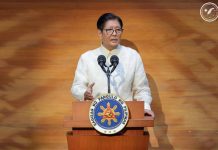


RECOGNITION is gratifying, but results are what ultimately matter. When Education Secretary Sonny Angara hailed Iloilo Province as a national model for successful education decentralization, it was a significant endorsement of the provincial government’s commitment to public education. But are Iloilo’s investments producing better-educated children, or merely better-equipped schools?
For too long, educational accomplishments have been measured by classrooms constructed, buildings inaugurated, computers distributed and programs launched. These investments are necessary, but the true measure of educational progress is the ability of children to read, write, calculate, think critically and build productive futures.
Iloilo deserves credit for recognizing that education cannot be left entirely to the national government. Under Gov. Arthur Defensor Jr., the province’s Bulig Eskwela sang Probinsya (BES Probins) program addresses classroom shortages, instructional resources, literacy development and youth development. Such initiatives demonstrate what meaningful decentralization should accomplish: local governments taking responsibility instead of merely waiting for Manila to provide solutions.
But being declared a national model carries responsibilities far greater than receiving national praise. Iloilo must now prove that its educational investments are translating into measurable improvements in learning outcomes.
How many struggling readers have become proficient? How many children have mastered basic arithmetic? Have learning gaps between urban and rural schools narrowed? Are children in remote and impoverished communities receiving the same opportunities as those in prosperous municipalities? These questions should define Iloilo’s educational success.
The province’s innovations in foundational literacy and numeracy, including the integration of environmental education into reading materials, are encouraging. But innovation must never become an end in itself. Attractive instructional materials mean little unless children actually learn. A school equipped with modern facilities but unable to produce competent readers cannot reasonably be considered an educational success.
This is why decentralization must be accompanied by accountability. The provincial government and Department of Education should regularly measure and publicly report literacy and numeracy proficiency, learning disparities and improvements in school performance. Taxpayers deserve to know not merely how much is spent on education, but what that money accomplishes.
Equally important, decentralization must not widen educational inequality. Children in remote barangays deserve the same opportunities as those in better-funded communities. Educational reforms must also survive political transitions through institutionalized policies and sustained funding, rather than depend on the generosity of incumbent officials.
Iloilo should welcome Secretary Angara’s endorsement without mistaking recognition for accomplishment. Being a national model means more than having programs worthy of replication. It means producing results compelling enough to justify their replication.
Iloilo’s greatest educational achievement will not be another national citation or ribbon-cutting ceremony. It will be the day when every Ilonggo child, regardless of poverty or geography, can read with comprehension, calculate with confidence and pursue a future unconstrained by educational disadvantage.