


[av_one_full first min_height=” vertical_alignment=” space=” custom_margin=” margin=’0px’ padding=’0px’ border=” border_color=” radius=’0px’ background_color=” src=” background_position=’top left’ background_repeat=’no-repeat’ animation=”]
[av_heading heading=’Abaca farmers driven to keep up with demand’ tag=’h3′ style=’blockquote modern-quote’ size=” subheading_active=’subheading_below’ subheading_size=’15’ padding=’10’ color=” custom_font=”][/av_heading]
[av_textblock size=” font_color=’custom’ color=”]
Saturday, April 8, 2017
[/av_textblock]
[av_textblock size=” font_color=” color=”]
SAN JOSE, Antique – Upland farmers are optimistic about the abaca industry, knowing the huge demand of the fiber locally and abroad.
They were motivated to increase their production upon learning during the First Abaca Congress in Antique that the Philippines is a major supplier of abaca fiber and raw materials in the global market.
Antique and other provinces in Region 6 contribute to the bulk export of abaca, said Evelyn Cagasan, officer-in-charge regional director of Philippine Fiber Development Authority.
In the entire Philippines, Western Visayas ranks fifth in terms of area planted with abaca and seventh in production, said Cagasan.
Eleven of the 18 municipalities in Antique are engaged in abaca value chain development.
The Antique Development Foundation and the CARE Philippines are supporting them.
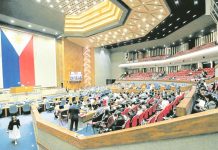
CARE Philippines, in partnership with the provincial government, led the Abaca Congress.
Gov. Rhodora Cadiao assured her administration’s all-out support to abaca value chain development.
Capitol created the Abaca Development Council and included abaca value chain development to its Commodity Investment Plan, she said.
CARE Philippines country director David Gazashvili also assured the farmers of sustained support through the Antique Development Foundation, which provides capability building programs to abaca farmers and other industry players.
During the congress, two export companies, Alindeco and Newtech, presented ways how abaca farmers could link with them.
Representatives from the departments of Agriculture (Philippine Rural Development Project), Environment and Natural Resources, Labor and Employment, and Trade and Industry also attended the congress. (PIA/PN)
[/av_textblock]
[/av_one_full]