

![“The Pharmally case... there are 46 respondents [in our complaint], kaya medyo matagal. And many of them have become invisible. Para bang they're trying to evade the jurisdiction of this body,” says Ombudsman Jesus Crispin Remulla.](https://www.panaynews.net/wp-content/uploads/2026/10/plunder_copy_resized_resized-218x150.jpg "Ombudsman presses P11-B Pharmally plunder case But 23 respondents missing— Remulla")
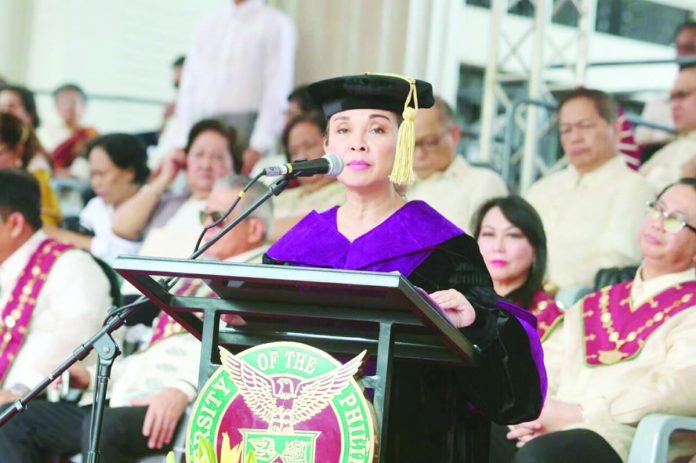
SAN JOSE, Antique – To provide formal education and award degrees, as well as training opportunities to the local workforce, the University of the Philippines (UP) established an extension campus in the municipality of Pandan, Antique.
This will democratize quality education, according to Senate President Pro Tempore Loren Legarda, who led the inauguration of the UP Antique Extension Campus on Aug. 25.
The UP training that Antique’s labor force would receive, she added, would also boost Antique’s thriving economy.
“Our fisherfolk, farmers, health workers, MSMEs (micro, small and medium enterprises), and those who contribute to the thriving economy of the province will be given a chance to enhance their skills,” conveyed Legarda in her keynote speech.
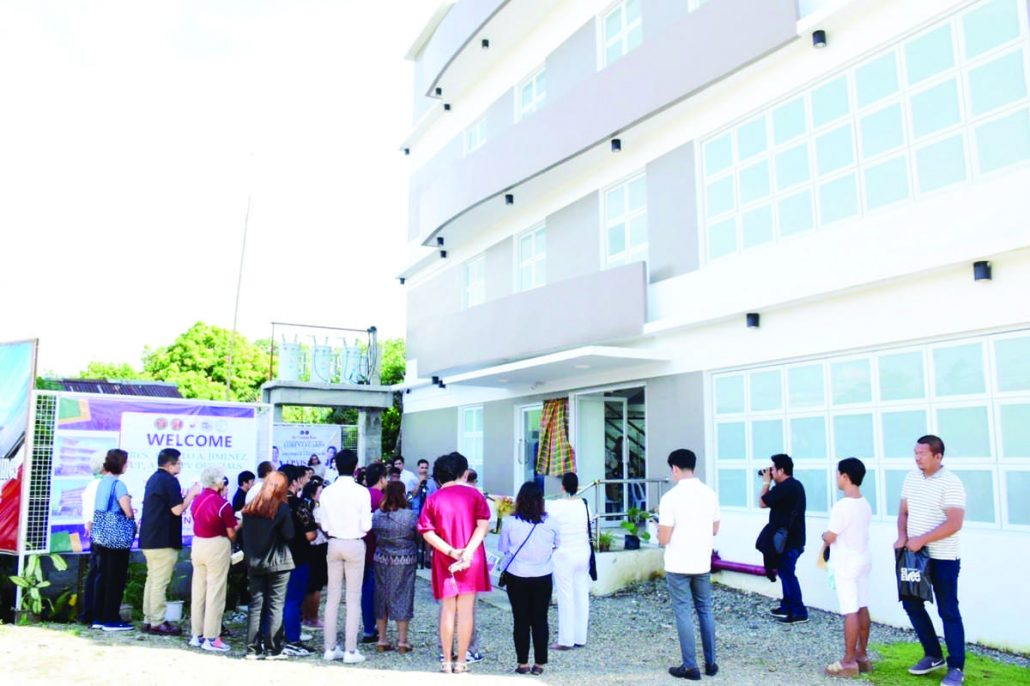
The UP Antique Extension Campus’ 900-square-meter three-story building has classrooms, offices, training spaces, and a conference room. These will catalyze engagements among constituent universities in the UP System, local academic institutions, and local government unit (LGU) partners, among others.
“The establishment of this campus will also propel the preservation of our heritage and culture, as well as work with other institutions in the province to ensure that our rich biodiversity is protected,” Legarda added.
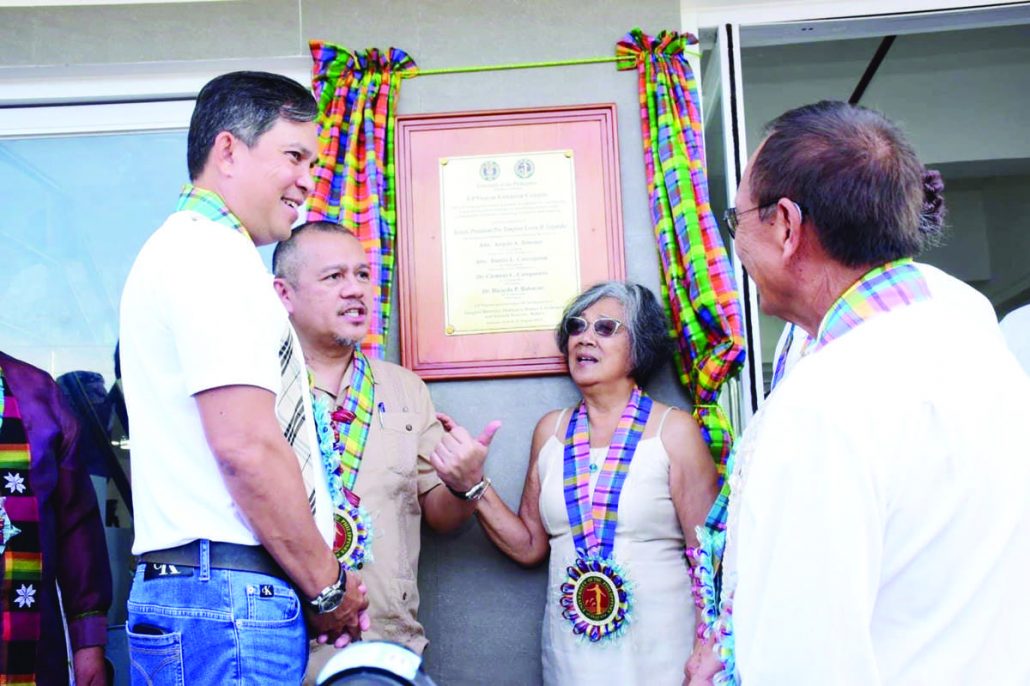
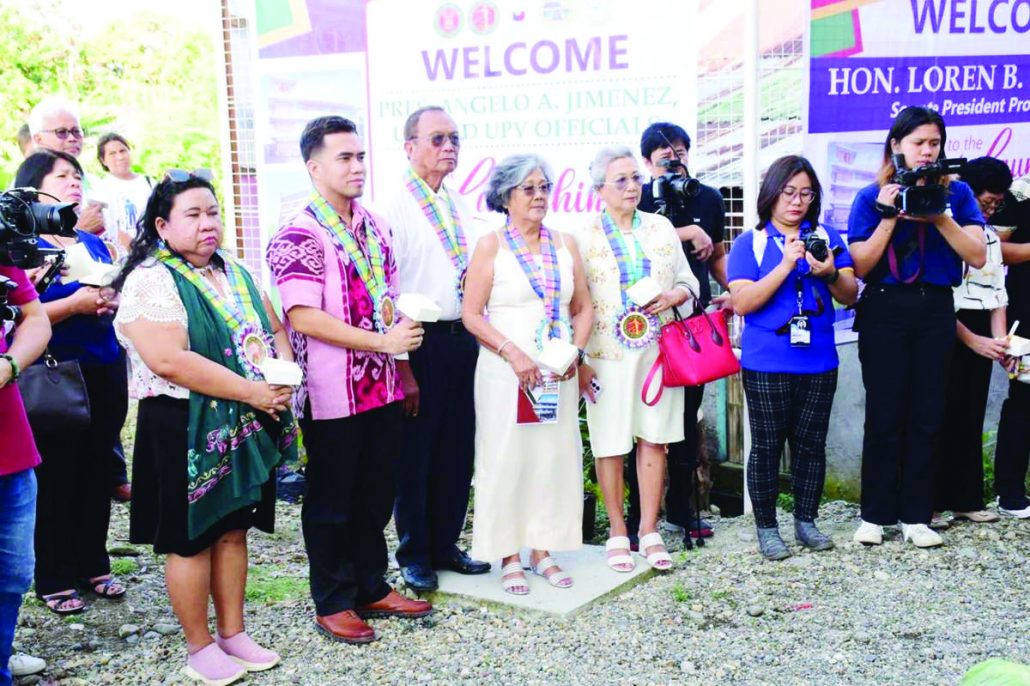
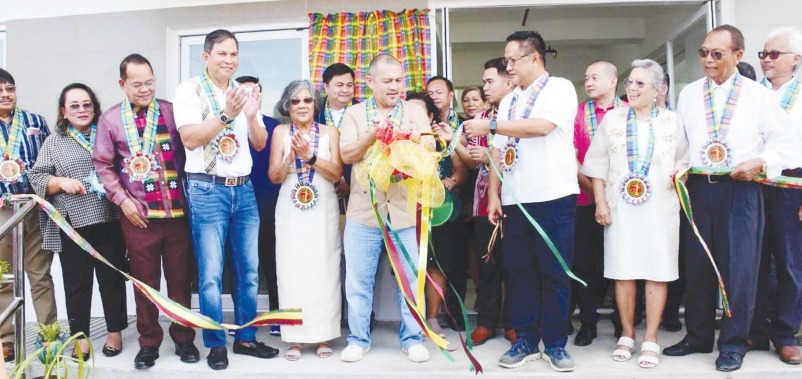
The four-term senator underscored the establishment of the UP campus as a key in implementing several educational programs that focus on fisheries, economics, and finance, noting the development of 33 training modules in these particular areas of expertise that will be made accessible to the local communities in Antique and neighboring areas.
These include the development of business management skills of community-based fisherfolk organizations, transfer of post-harvest technology, flexible learning materials for higher education institutions (HEIs) in Antique, and upgrading food safety awareness, among others.
“I am pleased with how all of these circumstances fell into place. This project has brought together people with kind hearts and great minds to make this one notable contribution to the field of education on the Panay island,” she remarked.
“It fills me with great pride to witness the successful realization of our endeavors, but we will not simply rest on our laurels. We will work harder to ensure that this UP Visayas Antique campus will set the highest standards of tertiary education in the province and the rest of the region,” she continued.
When Legarda assumed the role of Representative of the Lone District of Antique and Deputy Speaker in 2019, she made a solemn commitment to bring about substantial changes in Antique within her three-year term. She aspired for more opportunities and resources for her Antiqueño kasimanwas.
She focused on job creation, assistance to farmers and fishermen, water supply for upland municipalities, free education and allowance for students, medicines, and improvement of hospital facilities and rural health units.
“Today is another realization of a dream — the dream of bringing the University of the Philippines closer to the students of Antique and the neighboring province of Aklan,” said Legarda.
Not only were these structures built, but a number of initiatives were undertaken to achieve the objectives Legarda had requested UP to ignite in Antique.
UP Visayas, with the aim of supporting our fishermen and regional authorities, implemented several educational programs focusing on fisheries, economics, and finance. Through collaboration with experts from UP Visayas and the University of Antique, a total of 33 training modules were developed, which include fisheries, business, finance, cultural heritage, and food safety. These modules will serve as valuable resources and will be made accessible among our local communities in Antique and neighboring areas.
For instance, trainings were conducted for the development of business management skills of community-based fisherfolk organizations; for the transfer of post-harvest technology to fisherfolk; for the development of flexible learning materials for higher education institutions in Antique; for the development of a training module for sugar production from Nipa sap; for the upgrading of food safety awareness and competence of sanitary inspectors and food business operators in Antique; and for the development of IEC materials on fish-processing technologies.
The Cultural Mapping of Antique, which resulted in a registry of all the cultural and natural heritage of Antique, in collaboration with UP Visayas and the Department of Education, was realized in 2022.
A P50-million budget has been allocated to UP Visayas for the Cultural Mapping of Panay and Guimaras in 2023, a project that would also involve other state universities in these provinces. In order to identify the policies and initiatives that would best meet the needs of the province in these areas, UP Visayas was also entrusted with funding for a study on literacy and nutrition for Antique.
UPV has also initiated engagements with Rare Philippines, an international conservation organization whose mission is to help communities adopt sustainable behaviors toward their natural environment and resources for joint projects and training.
“I am grateful to the administrations of both Dr. Clement Camposano and the former Chancellor, Dr. Ricardo Babaran, for ensuring that this structure is now a reality, and for the enlivened programs and projects implemented in my home province. I acknowledge the leadership of both UP President Angelo Jimenez and former President Danilo Concepcion, who made sure that UP will have a campus in my home province. I am likewise thankful to all who have lent support for its completion,” said Legarda.
With vision, commitment, and collaboration, Legarda said more can be accomplished./PN