


UPSIDE risks from higher oil prices and their impact on other commodities are seen to push the domestic inflation rate between 3.1 to 3.9 percent in March, according to the Bangko Sentral ng Pilipinas (BSP).
The projected range is faster than February’s 2.4-percent inflation, which brought the two-month average to 2.2 percent.
“Inflation risks have intensified with upward price pressures arising from the significant increase in domestic petroleum prices, higher rice prices, increased electricity charges in Meralco-serviced areas, and depreciation of the peso,” the BSP said yesterday, March 31.
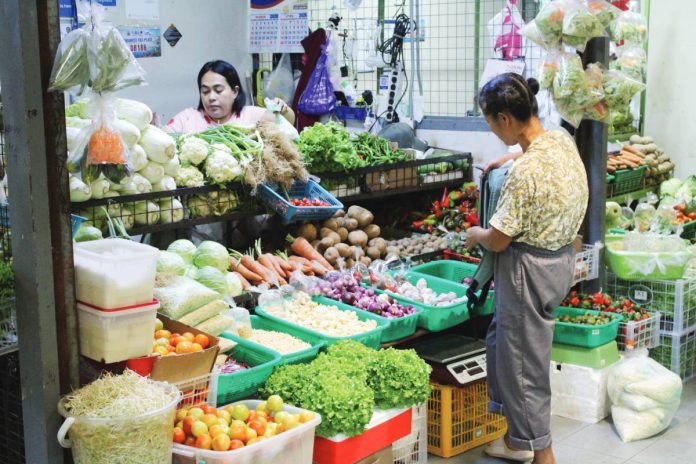
The central bank, however, noted that “the anticipated lower prices of vegetables, fish, and meat may help temper inflation, but upside pressures continue to warrant close monitoring.”
The BSP said it remains watchful of evolving risks and global developments.
“The BSP will remain vigilant and guided by incoming data, specifically on inflation and growth prospects. We will continue to monitor recent developments in the Middle East for their implications on inflation and economic activity,” it said.
During an off-cycle policy meeting last week, the BSP’s Monetary Board raised its inflation outlook for this year, citing the impact of higher oil prices and their spillover effects on commodities and services.
From an earlier projection of 3.6 percent, the Board now expects inflation to accelerate to as much as 5.1 percent — well above the government’s 2 to 4 percent target range.
For next year, inflation is projected to average 3.8 percent, higher than the previous estimate of 3.2 percent. (PNA)