


![“The Pharmally case... there are 46 respondents [in our complaint], kaya medyo matagal. And many of them have become invisible. Para bang they're trying to evade the jurisdiction of this body,” says Ombudsman Jesus Crispin Remulla.](https://www.panaynews.net/wp-content/uploads/2026/10/plunder_copy_resized_resized-218x150.jpg "Ombudsman presses P11-B Pharmally plunder case But 23 respondents missing— Remulla")
ILOILO City – The Department of Health (DOH) has issued an advisory warning the public about the rising temperatures in Western Visayas forecasted by the Philippine Atmospheric Geophysical and Astronomical Services Administration (PAGASA).
Measurements have shown temperatures soaring up to 46 degrees Celsius in parts of Western Visayas from April 22 to 26, 2024.
According to PAGASA Iloilo, the highest heat index recorded was 46 degrees Celsius at 1 p.m. on Saturday, April 27, marking it as the highest since 2023.
PAGASA categorizes temperatures from 33-41 degrees Celsius as requiring “extreme caution” and 42-51 degrees Celsius as posing a “danger.”
Dr. Adriano Suba-an, director of DOH Region 6, expressed concerns over the health impacts of prolonged exposure to extreme heat and the dangers of engaging in vigorous activities during such periods.
Dehydration can lead to heavy sweating, fatigue, warm flushed skin, fainting, dizziness, weakness, headaches, a very high fever of 41 degrees Celsius, rapid heartbeat, convulsions, and even unconsciousness, which could be fatal if left untreated, said Suba-an.
He advised, “Symptoms like these should never be ignored. Once observed, immediately move the affected person to a shady area and elevate their legs. If the patient can drink, encourage them to sip cool water.”
Suba-an also recommended removing tight clothing, applying cold packs to the skin, especially on the face, neck, wrists, ankles, and covered areas like the armpits and groin, while ensuring proper ventilation.
In addition to seeking immediate medical attention at the nearest health facility, Suba-an encouraged the public to stay hydrated, wear light and loose clothing, and use protective gear such as hats, umbrellas, and sunblock.
He also advised avoiding strenuous physical activities, especially from 10 a.m. to 4 p.m.
The public was also alerted to other potential health effects caused by the extreme weather, including increases in skin, food, and water-borne diseases, as well as the exacerbation of non-communicable diseases.
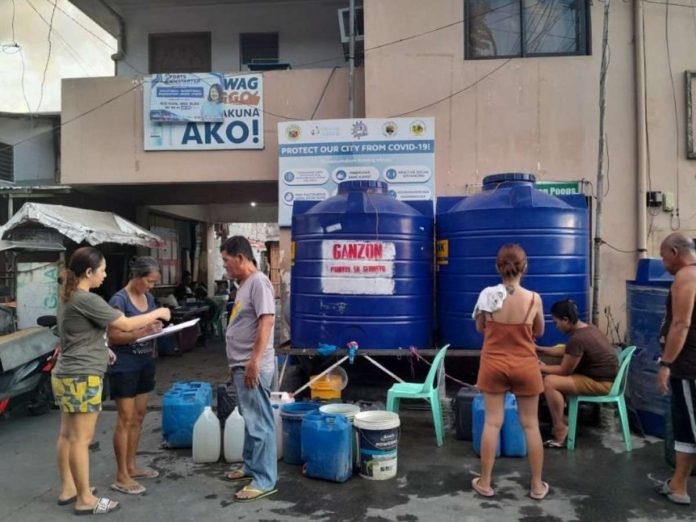
“We urge local government units, our health facilities, and the community to prepare for challenges like dwindling or intermittent water supply, and to control water contamination. Also, anticipate the intermittent supply of electricity and implement energy-saving strategies,” added Suba-an.
For patient referrals and urgent medical concerns, the Regional Patient Navigation and Referral Unit of the DOH-6 can be contacted at 0939-9881818./PN