



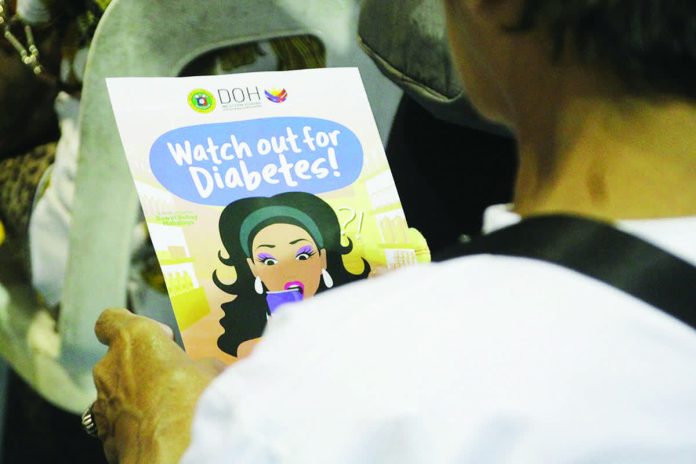
ILOILO City – The Department of Health (DOH) is pressing employers across Western Visayas to strengthen workplace-based interventions amid the country’s escalating diabetes burden, warning that inaction from the private and public sector could worsen what health authorities describe as a “silent but fast-growing epidemic.”
More than 656,000 Filipinos have been diagnosed with diabetes as of 2024, but DOH Region 6 said the number is likely much higher due to undetected cases — many of which are discovered only when complications such as kidney failure, stroke, vision loss, or non-healing wounds have already set in.
Health officials stressed that workplaces must take on a bigger role, noting that employees spend most of their time on the job and are often exposed to sedentary routines, high-calorie food choices, and chronic stress — all contributing factors to diabetes.
DOH-6 emphasized that early detection remains key. Employers are encouraged to provide or facilitate access to screening tests such as fasting blood sugar and HbA1c to help identify at-risk individuals before the disease progresses.
Beyond screening, the agency is urging companies to adopt more robust workplace health policies: offering nutritious food options, encouraging daily physical activity, and creating wellness programs that include counseling, nutrition support, and education on diabetes management.
The health department also called for the establishment of support systems for employees already diagnosed with the condition, including flexibility for medical appointments and access to health professionals.
“Kalusugan sa Trabaho ay Alagaan; Diabetes ay Labanan,” DOH-6 said in a statement.
The agency warned that without strong workplace participation, the region risks seeing a further surge in diabetes-related complications — undermining workforce productivity and placing additional strain on households and local health systems./PN