


![“The Pharmally case... there are 46 respondents [in our complaint], kaya medyo matagal. And many of them have become invisible. Para bang they're trying to evade the jurisdiction of this body,” says Ombudsman Jesus Crispin Remulla.](https://www.panaynews.net/wp-content/uploads/2026/10/plunder_copy_resized_resized-218x150.jpg "Ombudsman presses P11-B Pharmally plunder case But 23 respondents missing— Remulla")
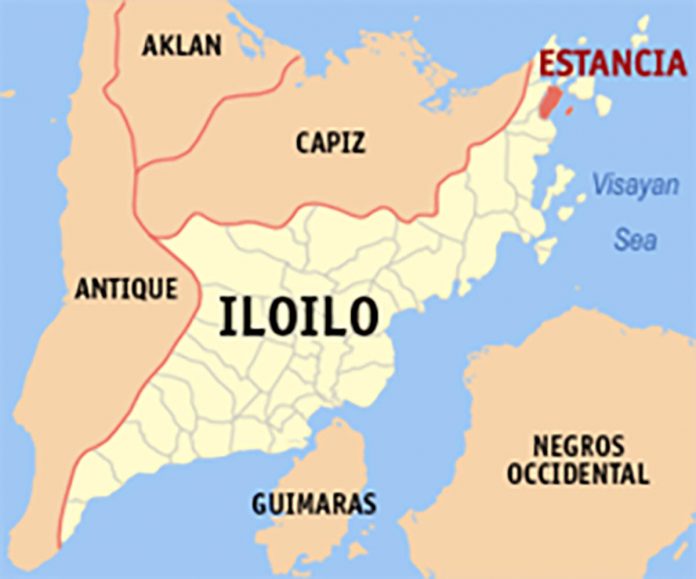
ILOILO – The town of Estancia in the 5th District has declared a state of calamity due to severe drought conditions worsened by the El Niño phenomenon, causing significant agricultural damage and hardship for residents.
On April 15, Estancia’s Sangguniang Bayan approved Resolution No. 2024-066 officially recognizing the municipality’s crisis state due to the ongoing drought and its enhancement by El Niño.
According to the resolution, about 32 percent of the town’s agriculture, livelihoods, and overall community well-being have been significantly affected.
The Municipal Disaster Risk Reduction and Management Office, along with the Municipal Social Welfare and Development Office, reported that 12,845 individuals, accounting for 22.79 percent of the town’s total population of 56,392, have been adversely impacted.
The affected areas included eight barangays: Poblacion Zone 1, Tanza, Lumbia, Paon, Lonoy, Jolog, Manipulon, and Botogon.
The Municipal Agriculture Office noted that approximately 32 to 35 percent of livelihoods in the agricultural sector, including rice farming and fisheries, have been compromised due to the drought.
In response to the escalating crisis, Mayor Mary Lynn Mosqueda has appealed for additional support from the Iloilo provincial government, the Department of Social Welfare and Development, the Office of Civil Defense – Region 6, and other national agencies and humanitarian organizations.
This support is crucial for the implementation of calamity response and recovery efforts to assist the affected families, said Mosqueda.
As of April 18, the Office of Civil Defense – Region 6 reported that El Niño has resulted in the loss of 333.67 metric tons of crop production in Estancia, valued at approximately P6,006,105. The disaster has affected 117 local farmers.
Estancia is the second town in the province to declare a state of calamity this April, following Sara’s declaration on April 12.
For a town to declare such a state, it must meet criteria outlined in National Disaster Risk Reduction and Management Council’s Memorandum Order No. 60:
* at least 15 percent of the forecasted affected population based on science-based projections needs emergency assistance;
* at least 30 percent of the means of livelihood in the agricultural, business and industrial sectors are affected;
* widespread destruction of fishponds, crops, poultry and livestock
* damage to critical and lifeline infrastructure/facilities such as major roads and bridges, power stations, potable water supply systems, and telecommunication facilities;
* disruption of lifelines such as food chains, electricity, potable water systems, other transport systems, communication systems, access to health service, and other related systems that cannot be restored within one week, or in the case of highly urbanized areas where restoration of the above lifelines cannot be done within twenty-four hours; and
* significant degradation of the environment and natural resources based on the recommendations of government agencies./PN