



By ADRIAN STEWART CO
MANILA – The Department of Social Welfare and Development (DSWD) insisted that the controversial Ayuda para sa Kapos ang Kita Program (AKAP) is not “pork barrel.”
According to Secretary Rex Gatchalian, it is not true that barangay officials are the ones responsible in forming the list of AKAP beneficiaries.
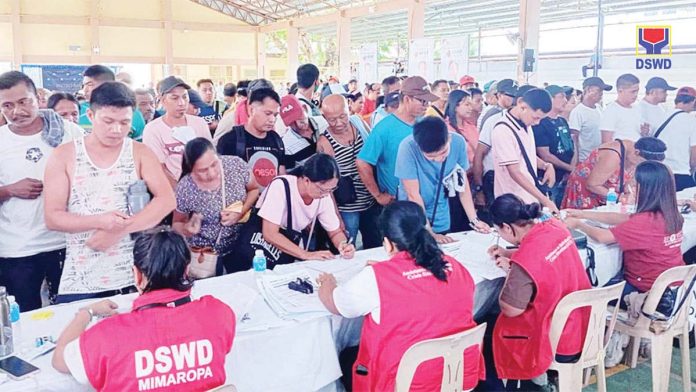
He added that DSWD’s field offices across the country “serve people in need, whether they are walk-in clients or were referred to by local government unit officials.”
“DSWD social workers process applications for AKAP and they determine the amount of aid to qualified beneficiaries,” Gatchalian said in a media release.
Gatchalian’s statement came after former Supreme Court Senior Associate Justice Antonio Carpio claimed that the cash assistance under AKAP “resembles the controversial pork barrel” and that “barangay officials submit the list of beneficiaries.”
“With due respect to the former Supreme Court Justice, AKAP is not pork barrel since any good Samaritan can refer potential beneficiaries and the barangay has nothing to do with AKAP based on our existing guidelines,” Gatchalian said.
Gatchalian said legislators and local officials can refer potential aid recipients, but the agency’s social workers are responsible for the vetting of the beneficiaries to make sure that they are eligible based on the AKAP guidelines.
“The original intention of the AKAP program is to protect the minimum wage earners and near-poor Filipinos from the effects of inflation that erode their buying power,” Gatchalian said.
The General Appropriations Act of 2024, specifically Special Provision No. 3 of the DSWD budget, authorized the funding for AKAP amounting to P26.7 billion which will serve as financial assistance to minimum wage earners falling under the category of low income that were severely affected by the rising inflation.
Almost five million “near poor” Filipinos have benefitted from AKAP from January to Dec. 26 this year./PN